


HMS Faculty Fellows
2026-2028 Faculty Fellows
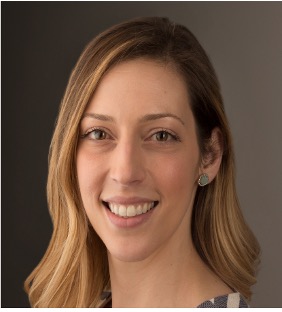
Assistant Professor of Pediatrics, Neonatologist, Beth Israel Deaconess Medical
Department Chief: DeWayne M. Pursley, MD, MPH, Neonatologist-in-Chief, Beth Israel Deaconess Medical Center, Associate Professor of Pediatrics, Harvard Medical School
Mentor: John A.F. Zupancic, MD, ScD, Associate Professor of Pediatrics, Harvard Medical School, Division of Neonatology, Beth Israel Deaconess Medical Center
Project Title: “The Respiratory Trajectory Index (RTI) for Objective Extubation Guidance in the NIC”
Project Description: Mechanical ventilation is lifesaving for very low birth weight neonates, but each additional ventilator day increases the risk of bronchopulmonary dysplasia (BPD). Extubation timing in the NICU currently relies on clinician judgment and varies widely across providers, with no validated objective tool to guide the decision. Documented disparities in NICU outcomes raise the open question of whether subjective extubation timing contributes to those disparities. This project will develop, validate, and prospectively evaluate the Respiratory Trajectory Index (RTI), a NeoCLIP-derived score that tracks how a neonate's respiratory disease evolves across serial chest radiographs and produces an objective signal of extubation readiness. NeoCLIP is our published self-supervised foundation model trained on more than 20,000 neonatal chest radiographs from a Boston NICU. Aim 1 develops and validates the RTI from temporal features of NeoCLIP predictions for six respiratory conditions. Aim 2 quantifies inter-provider variability in extubation timing and pre-specifically tests whether trajectory-discordant decisions are distributed unequally by race, ethnicity, insurance status, and preferred language. Aim 3 conducts a 9-month prospective silent evaluation of the RTI at BIDMC. The work produces the analytic foundation, preliminary clinical evidence, and equity data needed for a multicenter, R01-funded interventional trial of trajectory-guided extubation in neonates, which I plan to submit in the second half of the fellowship period.
Biography: Dr. Beam is a full-time attending neonatologist at Beth Israel Deaconess Medical Center and an Assistant Professor of Pediatrics at Harvard Medical School. My primary research focus is to merge clinical expertise with quantitative research methods, specifically artificial intelligence, to improve neonatal outcomes. My initial research career as a Doris Duke Clinical Research Fellow focused on improving our understanding of drug trials for bronchopulmonary dysplasia (BPD) prevention in premature infants, highlighting the need for innovative predictive and treatment strategies for common neonatal disorders, notably BPD. Subsequently, I completed a Master's in Public Health at Harvard, focusing on Quantitative Methods for developing AI-based predictive models. This aims to help clinicians identify early intervention points in complex diseases.
I also critically evaluated BPD definitions in electronic health records, revealing significant flaws in neonatal outcome definitions. I have collaborated with a team at MIT as a visiting scientist to develop the NICU-specific MIMIC database, a comprehensive resource housing clinical data, notes, diagnoses, and waveform data. As large language models have emerged, I have utilized these to build foundation models for neonatology prediction as well as understand the extend of what language models do and do not know in the field of neonatology. My research findings have been presented at local, regional, and national meetings, including Pediatric Academic Societies meetings. As an attending neonatologist, I have continued to expand my collaborations and even formed national collaborative groups for neonatologists with similar research interests to share their experiences.
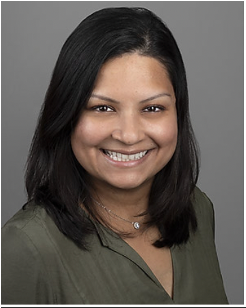
Assistant Professor, OBGYN CMFM-Center for Maternal Fetal, Beath Israel Deaconess Medical Center
Department Chief: Blair Wylie, MD, MPH, Chair, Department of Obstetrics and Gynecology, Beth Israel Deaconess Medical Center
Mentor: Philip E. Hess, MD, Associate Professor, Department of Anesthesia, Harvard Medical School, Critical Care and Pain Medicine, Beth Israel Deaconess Medical Center
Project Title: “Role of Cardiac and Inferior Vena Cava Point-of-Care Ultrasound for Peripartum Hemodynamic Assessment and Early Detection of Postpartum Hemorrhage Decompensation”
Project Description: This project will evaluate whether cardiac and inferior vena cava (IVC) point-of-care ultrasound (POCUS) can improve bedside assessment of maternal hemodynamic status during labor and in postpartum hemorrhage (PPH), a leading cause of preventable maternal morbidity and mortality. Current approaches to PPH detection rely on vital-sign monitoring and quantitative blood-loss estimation, yet vital signs may remain normal until 15–30% of blood volume is lost and blood-loss measurement is inherently imprecise. The first aim is to establish peripartum reference ranges for cardiac and IVC POCUS findings in women with uncomplicated births. The second aim is to assess these measures in women with PPH in order to identify hemodynamic patterns associated with clinical deterioration and develop a clinical decision algorithm for earlier recognition of decompensation. This work will provide the foundation for a future NIH-funded study testing whether POCUS-guided management can improve the timing of intervention and maternal outcomes.
Biography: Dr.Megha Gupta is a maternal-fetal medicine physician at Beth Israel Deaconess Medical Center and an Assistant Professor of Obstetrics, Gynecology and Reproductive Biology at Harvard Medical School. Her clinical practice and research focus on maternal point-of-care ultrasound (POCUS), maternal hemodynamics, and the care of critically ill pregnant and postpartum patients. Her work aims to adapt bedside ultrasound techniques commonly used in emergency medicine, anesthesiology, and critical care to obstetric practice, enabling more rapid recognition and management of maternal cardiopulmonary complications, hemorrhage, and other causes of maternal deterioration.
Dr. Gupta has led funded research evaluating the feasibility and clinical application of maternal POCUS in pregnancy, including a William F. Milton Fund pilot study establishing normative maternal cardiac, lung, and abdominal ultrasound findings across pregnancy and the postpartum period, and a Massachusetts Life Sciences Center Women's Health Innovation Grant evaluating artificial intelligence-assisted handheld ultrasound for assessment of left ventricular ejection fraction in pregnant and postpartum patients. Her current research focuses on the use of cardiac and inferior vena cava POCUS for bedside hemodynamic assessment during labor and postpartum hemorrhage, with the goal of identifying early ultrasound markers of maternal decompensation and developing a clinical decision algorithm to facilitate earlier recognition and intervention. This work is intended to lay the foundation for future NIH-funded studies evaluating whether POCUS-guided management can improve maternal outcomes.
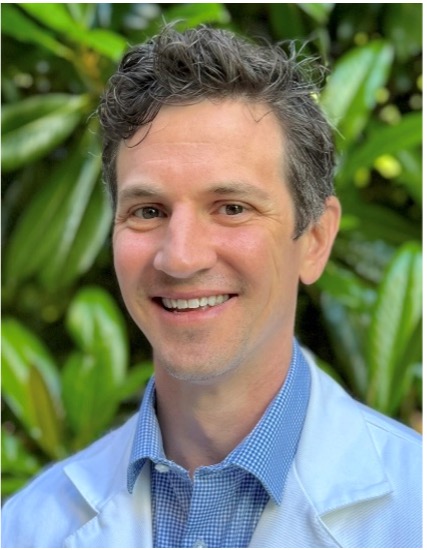
Instructor, Beth Israel Deaconess Medical Center
Department Chief: Rachel Reynolds, MD, Interim Chair of Dermatology, Beth Israel Deaconess Medical Center, Assistant Professor of Dermatology, Harvard Medical School
Mentors: Martina Porter, MD, Vice Chair of Research, Department of Dermatology, Beth Israel Deaconess Medical Center, Assistant Professor of Dermatology, Harvard Medical School.
Walfre Franco, Ph.D, Associate Professor and Department Chair of Biomedical Engineering, University of Massachusetts Lowell, Associate Professor of Dermatology, University of Massachusetts Chan Medical School, Worcester
Project Title: “Clinical Validation of an Erythema Imaging Tool for Assessment of Inflammation in Skin of Color”
Project Description: Erythema, a redness of the skin due to cutaneous vasodilation, is a key indicator of skin inflammation. Clinical assessment of erythema is subject to substantial inter-rater variability and is influenced by ambient lighting, observer experience, and patient skin tone. In patients with skin of color, melanin content can interfere with perception of redness. Smartphone imaging-based approaches present an opportunity for more objective and equitable assessment of erythema. We have developed an RGB spectral index-based approach to the detection and quantification of erythema in standard digital images; to date, our method’s application has been limited to controlled UV-induced erythema and retrospective image analyses. We aim to validate this method in a clinical setting. We will conduct a prospective observational clinical study in which we capture and analyze standardized clinical photographs from a diverse cohort of patients with inflammatory skin disease, applying our image-processing algorithms to highlight and quantify areas of erythema. We will assess the correlation between our approach and other assessments of erythema/skin inflammation, including clinician assessment, thermography, and spectroscopic measurements. The goal of this research is to provide clinicians with a new tool for assessing erythema in patients with skin of color, with broad potential applications in medicine and dermatology, including biopsy or injection site selection for inflammatory dermatoses, interpretation of test results in conditions such as patch testing or skin prick testing, monitoring skin infections, diagnosis and grading of skin diseases, and more.
Biography: Dr. William Lewis is an Instructor in Dermatology at Harvard Medical School and Beth Israel Deaconess Medical Center, where he also serves as Director of Medical Student Research in Dermatology. His work joins biomedical optics, device engineering, and clinical dermatology, with a focus on low-cost, accessible tools for imaging and treating skin. Dr. Lewis earned his BA from Boston University and his MD from Harvard Medical School, where his research at the Wellman Center for Photomedicine spanned photodynamic and laser therapy and the optical imaging of skin and vascular tissue. During medical school, he developed and published a smartphone algorithm for visualizing subcutaneous veins, now used by nurses, phlebotomists, and paramedics in more than 190 countries. He completed internal medicine training at UCLA and dermatology residency at the University of Pennsylvania, both in global health pathways that included clinical work in Malawi and Guatemala.
Since beginning his career at Beth Israel Deaconess Medical Center in 2024, Dr. Lewis has built a research program aimed at diagnostic and treatment gaps that affect patients in low-resource settings with reduced access to specialty care. He is developing a smartphone-based imaging system that makes erythema visible in heavily pigmented skin, where inflammation is frequently missed or underestimated, work that has been recognized by the Skin of Color Society. A parallel project, supported by La Roche-Posay, aims to adapt liquid nitrogen spray cryotherapy into a low-cost treatment for field cancerization and pigmentary modulation. Additional areas of research interest include low-cost in vivo skin microscopy tools and the application of image processing techniques for visualizing veins and topical products in skin. Dr. Lewis mentors medical, graduate, and undergraduate trainees through an ongoing collaboration with the Francis College of Engineering at UMass Lowell. He is core faculty in the Harvard Combined Dermatology Residency and teaches in the Immunity in Defense and Disease course at Harvard Medical School.
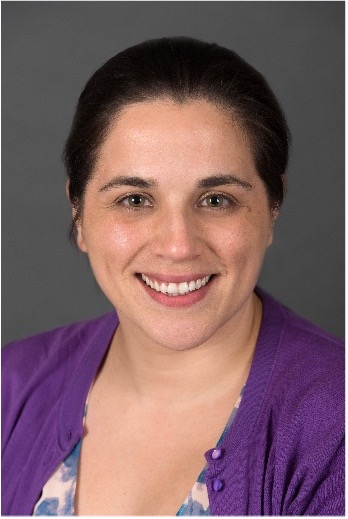
Instructor of Pediatrics, Faculty Physician, Boston Children’s Hospital
Department Chief: Amy D. DiVasta, MD, MMSc, Chief, Division of Adolescent and Young Adult Medicine, Boston Children's Hospital, Associate Professor of Pediatrics, Harvard Medical School
Mentors: Areej Hassan MD MPH, Attending Physician; Co-Director, Adolescent Long-Acting Reversible Contraception LARC, Division of Adolescent/Young Adult Medicine; Assistant Professor of Pediatrics, Harvard Medical School
Project Title: “Prospective Assessment of Depressive and Anxiety Symptoms After Long-Acting Reversible Contraception Initiation in Adolescents and Young Adults”
Project Description: Rates of depression and anxiety among adolescents and young adults (AYA) have increased substantially in the United States, while concerns about mood-related side effects remain a common barrier to long-acting reversible contraception (LARC) use and continuation. However, evidence on the relationship between LARC initiation and mental health symptoms in AYA is limited and inconsistent. This project will address this gap through two complementary aims. In Aim 1, we will conduct an exploratory prospective pilot study of English- and Spanish-speaking AYA ages 12–26 years initiating an intrauterine device or etonogestrel implant. Depressive and anxiety symptoms will be measured using validated 8-item Patient Health Questionnaire (PHQ-8) and Generalized Anxiety Disorder 7-item (GAD-7) instruments at baseline, 4–12 weeks, and 1 year after initiation. We hypothesize that among participants who continue LARC use, mean PHQ-8 and GAD-7 scores will not differ from baseline by 5 or more points at follow-up. Linear mixed models will evaluate within-participant symptom change over time, adjusting for baseline mental health history, with secondary analyses by LARC type. In Aim 2, we will conduct a scoping review of the published literature on depressive and anxiety symptoms associated with LARC initiation and use among AYA. We will characterize study designs, outcome measures, follow-up periods, and evidence gaps. Together, these aims will generate preliminary prospective data and synthesize the current evidence base to inform patient-centered contraceptive counseling and future larger-scale research.
Biography:Dr. Vargas’s work in Adolescent Medicine is centered on improving sexual and reproductive health care for adolescents and young adults through an equity-centered, reproductive justice–informed approach. As an Adolescent Medicine specialist at Boston Children’s Hospital, I provide primary and subspecialty care across hospital- and community-based settings, including Longwood, Lexington, and Framingham State University Health Center. These clinical experiences have provided me with expertise in delivering developmentally appropriate, patient-centered reproductive health care to diverse adolescent populations and in addressing the structural and social factors that influence access, trust, and health outcomes.
A major focus of my career has been advancing equitable access to high-quality contraceptive care, including long-acting reversible contraception (LARC), for adolescents and young adults. As Co-director of the Adolescent LARC Program at Boston Children’s Hospital, I have led quality improvement projects to address health disparities in pain management for IUD insertions. My work is grounded in a reproductive justice framework that recognizes that access to contraception must be accompanied by respect for bodily autonomy and careful attention to the historical and ongoing coercion that has affected marginalized communities. This perspective is particularly important in work involving adolescents with mental health concerns, who may face additional stigma, fragmented care, anxiety related to procedures, and barriers to receiving respectful, patient-centered contraceptive counseling.
2025 HMS Faculty Fellows

Associate Professor of Medicine, Associate Physician, Massachusetts General Hospital
Mentor:
Kenneth A. Freedberg, M.D., MSc, Director, Medical Practice Evaluation Center, Massachusetts General Hospital; Professor of Medicine, Harvard Medical School
Division Chief:
Ruanne Barnabas, MBChB, MSc, DPhil, FIDSA, Division of Infectious Diseases, MGH Francis and Dorothea Reed Endowed Chair in Infectious Diseases, Massachusetts General Hospital; Professor of Medicine, Harvard Medical School; Professor of Epidemiology, Harvard T.H. Chan School of Public Health
Project Title:
“Optimizing and Scaling Cutting Out Stigma – A Barbershop-Based HIV Stigma Reduction Model”
Project Description:
Racial and ethnic disparities pose a significant barrier to the "End the HIV Epidemic" (EHE) initiative in the U.S., particularly in the South. In 2020, our team established a partnership with Tennessee barbers and Street Works, a HIV/AIDS community-based organization, to explore barbershop-based strategies to improve HIV care outcomes for Black men in the state. Barbershops, regarded as trusted spaces, have successfully hosted health intervention programs. Our research identified stigma as a key barrier to HIV care, driven by fear, misinformation, and societal judgments. Barbers expressed eagerness to address this stigma and reframe community perceptions of HIV/AIDS. Through this partnership, we developed Cutting Out Stigma, a novel, theory-informed, barbershop-based health education and multimedia intervention whose objectives are to promote men’s sexual health and wellness and combat HIV stigma in the Black community in the highest HIV-burdened counties in TN. We have recruited and trained 52 barbers working in 26 Black barbershops who are now implementing this intervention in Memphis and Nashville. With early evidence of feasibility, acceptability, and effectiveness, the current proposal will focus on 1) understanding drivers of differences in perceived community HIV stigma between barbers and patrons; 2) identifying facilitators and barriers to intervention scale-up and sustainment, and 3)utilizing implementation mapping to identify strategies to address identified barriers to inform future trial design. Through this work, we will develop an adapted intervention protocol that is optimized for scale-up and sustainability that we will implement in the context of a Type II Hybrid implementation/effectiveness clinical trial.
Biography:
Dr. Aima Ahonkhai is an Infectious Diseases and HIV physician scientist. She is an Associate Physician in Medicine at the Massachusetts General Hospital, and also serves as Associate Director of the Bio-behavioral and Community Science Core and Director of the Community Engaged Research Program for the Harvard University Center for AIDS Research. Dr. Ahonkhai’s cross-cutting research focuses on the convergence of epidemiologic, behavioral, and implementation research to understand drivers of health disparities among people living with HIV. Her work also aims to make equity actionable by implementing solutions to improve HIV care outcomes in marginalized and minoritized populations, both globally and locally in the United States. She is particularly interested in the health needs of adolescents and young adults, and utilizing novel strategies (digital health tools, behavioral economics, multimedia communication, etc) in partnership with communities to improve care. Dr. Ahonkhai earned her MD from Johns Hopkins University and her MPH from the Bloomberg School of Public Health.

Instructor of Obstetrics, Gynecology and Reproductive Biology, Massachusetts General Hospital
Mentors:
Adeline Boadin, M.D., MPH, Assistant Professor of Obstetrics and Gynecology, Harvard Medical School; Co-Director of Global Health, Department of OB/GYN, Massachusetts General Hospital.
Alexander Tsai, M.D., PhD, Associate Professor of Psychiatry, Harvard Medical School
Department Chair:
Jeffrey L. Ecker, MD, Chief of Obstetrics and Gynecology; Joe Vincent Meigs Professor of Obstetrics, Gynecology and Reproductive Biology, Harvard Medical School
Project Title:
“Exploring family planning provider comfort with PrEP and family planning service integration in Mbarara, Uganda: A mixed methods exploratory study”
Project Description:
African women are disproportionately affected by HIV, representing 62% of all new HIV infections in the region. Recent data have demonstrated a high incidence of HIV among African women seeking contraception, prompting multi-stakeholder interest in integrating HIV preexposure prophylaxis (PrEP) into family planning settings where women already receive contraceptive care. Currently, some programs have begun integrating PrEP into family planning settings, with existing demonstration studies focusing on “client-based” barriers and facilitators to PrEP integration. However, there is scarce “real-world” data regarding “provider-based” limitations to PrEP and family planning integration in high-burden settings in sub-Saharan Africa, particularly in Uganda. To characterize “provider-based” barriers to and facilitators of PrEP integration into family planning settings, I will first catalog and then geospatially map family planning access points in Mbarara, Uganda, and ascertain their level of PrEP service integration. Secondly, I will survey family planning providers to characterize their attitudes to HIV prevention, knowledge about PrEP, and willingness to incorporate PrEP counseling and prescribing into their current clinical workflow. Lastly, I will conduct in-depth interviews with a purposive sample of surveyed providers to elaborate a conceptual framework of provider-related barriers to and facilitators of integrating PrEP and family planning services in Mbarara. This proposed study will provide preliminary data necessary to develop a PrEP education package designed to address the needs of family planning providers who will need to integrate PrEP counseling and prescribing into the contraceptive care they provide to at-risk women. This intervention would be piloted in future work.
Biography:
Dr. Rumbidzai Mushavi is a board-eligible obstetrician-gynecologist at the Massachusetts General Hospital and Instructor of Obstetrics, Gynecology, and Reproductive Biology at Harvard Medical School. Her long-term goal is to become an independent investigator with expertise in developing and testing interventions to promote reproductive health and prevent HIV acquisition among women in sub-Saharan Africa. Dr. Rumbidzai Mushavi developed these interests growing up in Zimbabwe at the peak of her country’s HIV epidemic, where she witnessed firsthand its disproportionate impacts on women due to the complex interplay between biology, poverty, gender-inequitable norms, and structural violence. Over the last decade, she has made progress toward my long-term goal by gaining research experience in Mbarara, Uganda, where she has served in many roles, including as project manager to a large NIH-funded cohort study, spending a cumulative total of over 36 months in the country. She has contributed as a coauthor to 6 peer-reviewed publications, including 1 as first author. To achieve research independence, she needs further training in research methods, specifically epidemiology, implementation science, and mixed methods research. Dr. Rumbidzai Mushavi will consolidate this training by achieving 3 tightly linked research aims to characterize barriers to the integration of HIV pre-exposure prophylaxis services into family planning in Mbarara, Uganda. She will be supported in her efforts by Dr. Alexander Tsai (psychiatry, HIV) and Dr. Adeline Boatin (obstetrics/gynecology, sexual and reproductive health). Their track records of mentorship in global health research position them well to help achieve the mentored research aims, compete for an NIH career development award, and advance to research independence.

Instructor, Brigham and Women’s Hospital
Mentor:
Jeremy Faust, MD, MS, Emergency Physician, Brigham and Women’s Hospital; Assistant Professor, Harvard Medical School
Department Vice Chair:
Ali Raja, MD, MBA, MPH, FACHE, Deputy Chair, Department of Emergency Medicine, Massachusetts General Hospital; Mooney-Reed Endowed Chair, Department of Emergency Medicine, Massachusetts General Hospital; Professor of Emergency Medicine and Radiology, Harvard Medical School
Project Title:
“Disparities in Interhospital Transfers for Trauma Patients with Femur Fractures”
Project Description:
Disparities in Interhospital Transfers for Trauma Patients with Femur Fractures. Significant disparities exist in trauma care access and outcomes based on geographic location, EMS transport times, race, and socioeconomic status. Black and Hispanic patients are more likely to reside in “trauma deserts,” areas with limited access to nearby trauma centers, resulting in delayed emergency care. Even after reaching a hospital, patients may require transfer to another facility for specialized treatment, causing further delays. The Emergency Medical Treatment and Labor Act (EMTALA) was designed to prevent patient dumping and ensure initial stabilization, particularly for uninsured and underinsured populations. However, its protections do not extend to definitive care or specialized treatment after initial evaluation, leaving many patients—especially from marginalized communities—vulnerable to inequities in care access. This project will investigate interhospital transfer patterns among patients with femur fractures, a common traumatic injury that typically requires hospitalization and surgical repair. Focusing on hospitals already capable of performing femur fixation, the study will examine how institutional characteristics such as trauma center designation, academic status, and geographic location are associated with potentially avoidable transfers. It will also assess whether race, ethnicity, insurance status, and income level impact the likelihood of being transferred, even when patients present to capable facilities. By leveraging robust state-level emergency department and inpatient data, this study aims to uncover systemic inequities in trauma care delivery. Findings will have critical implications for healthcare policy and may inform efforts to expand EMTALA protections, reduce unnecessary and costly transfers, and ensure equitable access to definitive trauma treatment across diverse populations.
Biography:
Dr. Onyekachi Otugo is a board-certified Emergency Medicine physician at Brigham and Women’s Hospital. Raised in the Washington, DC, Metropolitan area, she pursued her undergraduate education at the University of Maryland, earning a Bachelor of Arts in Art Studio and a Bachelor of Science in Biology. Before entering medical school, Dr. Otugo worked as an Oak Ridge Institute for Science and Education fellow at the Food and Drug Administration’s Office of Women’s Health. Subsequently, she completed her medical degree and obtained a Master of Public Health from Northwestern University. She went on to complete an emergency medicine residency at the Cleveland Clinic Akron General. She then completed a Health Policy Research and Translation fellowship at Brigham and Women’s Hospital, where she also served as the Research Director for the Office of Inclusion, Diversity, and Social Justice upon graduation from the fellowship. In 2021, she graduated with a Master of Public Administration as a John F Kennedy and Adrian Cheng Fellow from the Harvard Kennedy School of Government. She has published articles in USA Today, The New England Journal of Medicine, STAT News, The Journal of Graduate Medical Education, and The Lancet, focusing on access to care and health equity issues.

Physician, Member of the Faculty, Dana-Farber Cancer Institute
Mentor:
Erica Mayer, M.D., MPH, Associate Professor, Harvard Medical School
Division Chief:
Sara M. Tolaney, M.D., MPH, Division of Breast Oncology, Susan F. Smith Center for Women’s Cancers, Dana-Farber Cancer Institute.
Project Title:
“A Phase 2 Trial to Assess the Tolerability of Abemaciclib Dose Escalation in Patients with Early-Stage HR-positive and HER2-negative Breast Cancer”
Project Description:
Abemaciclib has significantly improved outcomes for patients with early hormone receptor-positive, human epidermal growth factor receptor 2 (HER2) negative breast cancer. However, up to 84% of patients experience diarrhea, with 8% grade 3, leading to dose reductions and impacting patients’ quality of life. There is a critical need to understand the mechanisms of abemaciclib-induced diarrhea and develop predictive strategies to mitigate its impact. This study explores the gut microbiome as a predictor of gastrointestinal toxicity. We hypothesize that reduced microbiome diversity and specific microbial compositions increase the risk of diarrhea and that abemaciclib induces shifts in gut microbiome diversity and composition, favoring pro-inflammatory taxa. This research builds on findings from our group that the gut microbiome plays a role in modulating response and toxicity to cancer therapies. The proposed study is a correlational analysis of the ongoing TRADE trial (NCT06001762). Two specific aims guide this project: (1) to determine whether baseline gut microbiome characteristics predict gastrointestinal toxicity of adjuvant abemaciclib and (2) to assess gut microbiome changes during treatment. Stool samples collected pre-treatment, during therapy, and post-treatment will undergo metagenomic and 16S rRNA sequencing to characterize microbiome diversity and composition. Associations between microbiome features, diarrhea severity, and clinical outcomes will be analyzed. This research will provide critical insights into the role of the gut microbiome in abemaciclib toxicity, potentially identifying biomarkers for personalized treatment strategies to improve patient outcomes and reduce treatment-related adverse effects.
Biography:
Dr. Schlam received her medical degree from Anahuac University in Mexico City in 2014. She subsequently completed her Internal Medicine residency at The Jewish Hospital of Cincinnati and then her Hematology and Medical Oncology fellowship at The MedStar Georgetown Washington Hospital Center in Washington, DC. She obtained her Master's in Public Health from the Harvard School of Public Health in 2024. She was faculty at Tufts Medical Center from 2021 to 2024. In 2024, she joined the staff of the Dana-Farber Cancer Institute as a breast medical oncologist and clinical researcher. Her research focuses on drug development, identifying markers of response to novel therapies. She is also the Associate Director of the Dana-Farber Cancer Institute, Early Breast Cancer Program (LEAP)
2024-2026 HMS Faculty Fellows

Instructor, Beth Israel Deaconess Medical Center
Mentor: Ara Nazarian, PhD, Associate Professor of Orthopaedic Surgery, Harvard Medical School; Director, Musculoskeletal Translational Innovation Initiative, Vice Chair of Research Affairs, Carl J. Shapiro Department of Orthopaedics, Beth Israel Deaconess Medical Center
Department Chair: Edward K. Rodriguez, MD, PhD, Chief, Orthopaedic Surgery, Carl J. Shapiro Department of Orthopaedics, Beth Israel Deaconess Medical Center; Professor of Orthopaedic Surgery, Harvard Medical School
Project Title: “Improving open fracture care in Northern Malawi through targeted deployment of affordable device innovations, education, and standardized protocols.”
Project Description: Malawi, a low-income country in southeastern Africa, has a high incidence of open fractures and limited orthopaedic surgical capacity. The Northern Region of Malawi is especially underserved, with 2.3 million people and one orthopaedic surgeon based at Mzuzu Central Hospital (MCH). Building on an established partnership with Malawian colleagues, we will develop, implement, and prospectively evaluate capacity building initiatives to improve open fracture care for the poor in Malawi. Firstly, we will introduce novel medical devices designed for the needs of Malawian patients: 1) an affordable external fixator (AEFIX) clamp, and 2) our low-cost wound vacuum (VATARA) pump. These cost <1% of the industry standard devices and performed comparably in preliminary testing. We will submit AEFIX and VATARA for regulatory approval and introduce them to MCH as a pilot site in Malawi. Secondly, we will develop a longitudinal educational program with didactics, case-based teaching, and protocols to improve open fracture management at MCH. Annually, we will run three virtual case-based conferences to discuss cases from MCH and a two-week, in-person program with Harvard faculty visiting and teaching MCH staff alongside Malawian colleagues. Thirdly, to examine open fracture care quality at MCH, we will launch a prospective clinical study, enrolling patients with open fractures and recording 1-year outcomes. Patients will be enrolled before and after the implementation of our capacity building initiatives to allow examination of their impact and cost-effectiveness. We believe this may serve as a model for open fracture capacity building throughout Malawi and in other similar resource-limited settings.
Biography: I am an orthopaedic trauma surgeon at Beth Israel Deaconess Medical Center and the Founder and Director of the Harvard Global Orthopaedics Collaborative. I am the first Harvard-affiliated orthopaedic surgeon with 50% protected time for global orthopaedics research, and I divide my time between Boston and sub-Saharan Africa – primarily Malawi, Ethiopia, and Gambia. In Boston, I care for patients with musculoskeletal injuries at Beth Israel Deaconess Medical Center, a Level 1 trauma center, directly supervise and train medical students and orthopaedic residents, as well as mentor trainees in a variety of global health projects. In Malawi, Ethiopia, and Gambia, I oversee clinical research projects and teach research methods, provide clinical training and mentorship, and regularly meet with policymakers and donors to advocate for expansion of orthopaedic and trauma care for the poor and vulnerable. I have dedicated a significant portion of my training and career to the field of global orthopaedics, which aims to understand and address the burden of musculoskeletal disease, especially in resource-limited settings, and to develop solutions to achieve musculoskeletal health equity. I have published 29 peer-reviewed manuscripts and mentored 46 students and residents who share an interest in this field. I have given numerous presentations on my research and global health work at national and international conferences, serve on national and international committees, and frequently perform peer-review of grants and scientific manuscripts in the field of global orthopaedics. I have personally established and continue to oversee productive academic partnerships with colleagues in Malawi, Ethiopia, and Gambia.

Instructor of Neurology, Boston Children’s Hospital
Mentor: Aisha K. Yousafzai, PhD, Professor of Child Development and Health, Department of Global Health and Population, Harvard T.H Chan School of Public Health
Mentor: Annapurna Poduri, MD, MPH, Director, Epilepsy Program, Investigator, F.M. Kirby Neurobiology Center; Associate Chief for Academic Development, Department of Neurology, Diamond Blackfan Chair in Neuroscience Research, Boston Children’s Hospital
Mentor: Gretchen Brion-Meisels, Senior Lecturer on Education, Harvard Graduate School of Education
Department Chair: Scott L. Pomeroy, MD, PhD, Neurologist-in-Chief, Chairman, Department of Neurology, Boston Children’s Hospital; Bronson Crothers Professor of Neurology, Harvard Medical School
Project Title: “Voices for Equity: Tackling Infantile Spasms Inequities through Community Action”
Project Description: Inequities in care are well-described for children with epilepsy from historically marginalized communities, but evidence-based interventions are lacking. There is a paucity of detailed information about root causes, in other words how inequities are produced and reproduced. Participatory action research (PAR) has been used in educational and other settings to co-construct solutions with members of affected communities and analyze the results of the intervention with respect to meaningful outcomes to the community. We plan to use PAR methodology to devise and implement interventions to address racial/ethnic, insurance, and linguistic inequities in pediatric epilepsy care in Boston, using infantile epileptic spasms syndrome (IESS) as a model. Engaging caregivers from historically marginalized groups in PAR can support the development of intervention strategies that are culturally responsive and relevant to their needs. In year one, we will complete ongoing qualitative grounded theory research and recruit community researchers. In year two, we will complete a participatory research action cycle, implementing a co-constructed intervention and analyzing its results.
Biography: My passion is working towards equity for pediatric epilepsy patients through collaboration with patients and their families using a strengths-based model of liberatory education. It is a direct result of patient and colleague interactions that I have had throughout the course of my residency, as I have found a passion for working with children with complex and developmental epileptic encephalopathies. As our knowledge as a field continues to blossom with biomedical research and innovation, equitable approaches to distribution and approval of targeted treatment approaches are needed for neurology patients, like the patients I have had the opportunity to care for during residency. To build my abilities as an educator and advocate, I obtained a master’s degree from Harvard Graduate School of Education and will attend the Palatucci Leadership Advocacy Forum. In addition, I have been deeply engaged with teaching, curriculum development, and education advocacy at Harvard Medical School, Boston Children’s Hospital pediatrics and neurology programs, national initiatives, and with international partners in Peru and Chile. These education and advocacy skills, along with my fluency in Spanish and Portuguese, will help me to translate my equity research into practice and policy.
I was born and raised in Harlem, NYC and all my primary family member still reside there and all work in healthcare. Living alone in a new city, starting a new job away from my family during the COVID-19 pandemic heavily impacted my research progression during my time at UD, specifically, manuscript publication. However, I recently joined the research faculty in the Division of General Pediatrics at BCH as a Senior Research Scientist in September 2022. Although it was difficult to leave a hard-money, tenure track faculty position, I believed the great working relationship with Dr. Phipatanakul and the resources available to support my career development at BCH and Harvard Medical School were unmatched.

Instructor in Medicine, Massachusetts General Hospital
Mentor: Christine S. Ritchie, MD, MSPH, Professor of Medicine, Research Director, Division of Palliative Care and Geriatric Medicine; Director, Mongan Institute Center for Aging and Serious Illness, Department of Medicine, Massachusetts General Hospital and Harvard Medical School
Division Chief: Vicki A. Jackson, MD, MPH, Blum Family Endowed Chair in Palliative Care, Chief, Division of Palliative Care and Geriatrics, Massachusetts General Hospital; Co-Director, HMS Center for Palliative Care, Professor of Medicine, Harvard Medical School
Project Title: “Explore the Serious Illness Communication Needs of Latino Spanish-speaking Patients & Caregivers to Develop Interventions that Support these Needs”
Project Description: The Latino population faces multiple barriers to equitable high-quality care, including low rates of insurance coverage, poor access to care, language barriers, and systemic and institutional discrimination. People living with serious illness have complex healthcare needs and often encounter communication-based challenges when engaging with their health care that can lead to emotional distress and lower quality care. This is further complicated for patients who prefer a language other than English. Serious illness communication is a key element of high-quality palliative care, but it is less likely to occur with Latino Spanish-speaking individuals. However, fewer than one-third of all people with serious illness report having serious illness communication with their clinician and Latino Spanish speaking patients lack access to serious illness communication. We first need to better understand the communication needs of seriously ill Spanish-speaking patients and caregivers.
To address this, I will first investigate the communication experiences and needs of seriously ill Latino Spanish-speaking patients and their caregivers, related to serious illness communication and palliative care. I will then explore barriers and facilitators to serious illness communication from the perspective of medical interpreters, who are often called upon to support this communication for this patient population. I will also explore best practices for partnering with interpreters to support serious illness communication. Finally, together with the perspectives of language-concordant and language-discordant palliative care clinicians supporting seriously ill Spanish speaking patients (in a separately funded effort), I will begin the development of a behavioral change intervention for clinicians to better support and meet the communication needs of seriously ill Spanish-speaking patients.
Biography: I am an internist and palliative care physician caring for individuals with serious illness. I am passionate about improving the serious illness care experience for Latino Spanish-speaking patients and families. To further my own training, following palliative care fellowship, I was selected as a Commonwealth Fund Fellow in Minority Health Policy at Harvard University. I now serve as the Equity Director for the Division of Palliative Care and Geriatric Medicine. My research interests include understanding the needs of and improving serious illness communication and care for Latino Spanish-speaking patients. As part of this, I hope to better understand the health care experiences of individuals, particularly those from marginalized communities including Latino and Black individuals, in service of designing interventions to improve their access to high quality serious illness communication. I co-lead Health Equity Curriculum and Track for Palliative Care Fellows. I am currently the site co-lead of an institutionally funded United Against Racism Palliative Care project to reduce the inequities in serious illness conversations among Black and Latino people in partner community health centers.

Instructor in Psychiatry, Massachusetts General Hospital
Mentor: David Mischoulon, MD, PhD, Director, Depression Clinical and Research Program, Massachusetts General Hospital; Joyce R. Tedlow Professor of Psychiatry, Harvard Medical Center
Division Chief: Maurizio Fava, MD, Chair of Psychiatry, Vice Chair, the MGH Executive Committee on Research, Executive Director, Clinical Trials Network & Institute, Massachusetts General Hospital; Associate Dean for Clinical and Translational Research, Slater Family Professor of Psychiatry
Project Title: “Molecular Mechanisms of Whole-Body Hyperthermia for Depression”
Project Description: Major Depressive Disorder (MDD) is a serious mental illness affecting over 200 million people worldwide, and new treatment options are urgently needed. Whole-body hyperthermia (WBH), or elevating the body temperature, is emerging as an effective, rapid-acting, non-pharmacological antidepressant therapy. However, the precise molecular mechanisms are not understood. In this project, we aim to better understand how WBH relieves depression at a molecular level.
Specifically, we are interested in inflammatory mechanisms, as depression is associated with inflammation, and exposing the body to elevated temperature is thought to be anti-inflammatory. Heat may also enhance the body’s ability to adapt to stress through affecting proteostasis (the balance between building and breaking down proteins). Therefore, in this project, we aim to better understand the impact of WBH on inflammation and proteostasis in patients with depression, and how these responses might contribute to WBH’s antidepressant effect.
To accomplish this goal, we will analyze samples from a clinical trial of WBH vs. a sham control for patients with depression, asking: 1) what impact does WBH vs. Sham have on molecular markers of inflammation and proteostasis? 2) How do these markers relate to depressive symptoms?
This project lies at this intersection of psychiatry, immunology, physiology, and molecular biology, thus demonstrating multidisciplinary integration. The outcomes promise a deeper understanding of how WBH contributes to improved mood. Moreover, our findings might help guide further development of this promising intervention for depression.
Biography: Dr. Simmie Foster is a practicing psychiatrist at the Depression Clinical and Research Program (DCRP) and director of the Lab for Hot and Cool Research at the Massachusetts General Hospital (MGH). Dr. Foster completed her MD and PhD at Yale School of Medicine, medical internship at MGH, psychiatry residency at the University of Pennsylvania, and a postdoctoral research fellowship at Boston Children’s Hospital. She has received multiple awards including a position as a scholar in the Harvard-wide K12 Building Interdisciplinary Careers in Women’s Health program, a Burroughs Wellcome Fund postdoctoral fellowship, a K23 career development award from the NIH, and the Jerome and Celia Reich Award in Depression Research. She has given a TEDx talk on “Pain and Immunity: What’s Sex got to do with it?” Her research aims to understand the impact of temperature and heat flows on inflammatory responses that contribute to disorders such as Long COVID and depression. The ultimate goal is to develop safe, accessible, temperature therapeutics for the growing problem of inflammatory disease.

Instructor, Harvard Medical School
Mentor: Matthew Bonds, PhD, Associate Professor, Department of Global Health and Social Medicine, Harvard Medical School
Division Chief: Vikram Patel, MBBS, PhD, Paul Farmer Professor and Chair of the Department of Global Health and Social Medicine, Harvard Medical Center
Project Title: “A Geographic Analysis of Community Wastewater as an Early Warning Signal for Emerging or Re-Emerging Diseases with implications on Climate Change.”
Project Description: Global health preparedness requires anticipating emerging threats and coordinating risk reduction efforts. Climate change induced health inequities across the globe force us to consider the amount of risk the most vulnerable populations are facing. Vector-Borne Parasitic Diseases (VBPDs) pose a daily challenge to the ability to survive and thrive for inhabitants of tropical and sub-tropical regions. Early warning signals of surveillance that detect changes in vector-host exposure risk are essential to reducing global health vulnerabilities from VBPDs. Community wastewater can forecast population disease dynamics and provide an early indication of risk well before symptoms are present within a population, potentially preventing outbreaks. This project will leverage geolocated wastewater samples to build a community health profile to determine where infectious disease risk is greatest in southern Africa by conducting wastewater sampling across geographically discreet locations, building an exposure risk model for certain vector borne and parasitic diseases and combining pathogen detection results with socio-ecological factors to map area-level risk. The development of a community health profile framework can provide useful insights that inform outbreak mitigation and prevention campaigns.
Biography: Demetrice “Dee” Jordan is an Instructor in the Department of Global Health and Social Medicine. She holds a dual-PhD in Health Geography and Environmental Science and Policy from Michigan State University (MSU), a Master of Public Health in Global Health and graduate certificate in Global Infectious Diseases from Harvard T.H. Chan School of Public Health.
Dee’s research focuses on the spatial-ecological determinants of disease risk for vector-borne parasitic diseases and Neglected Tropical Diseases of sub-Saharan Africa and the tropics and the role of climate change in emerging and reemerging infectious diseases. Dee also examines issues related to health equity, health disparities, social and environmental justice. She is a trustee for the Society of Public Health Education (SOPHE), a member of Oak Ridge National Lab’s Geospatial Science and Human Security Division’s Scientific Advisory Committee, councilmember of the American Geographical Society (AGS), and the creator of the Celebrating Black Geographers anthology, hosted online by AGS.
Dee is the recipient of numerous awards including an Equity, Social Justice and Advocacy award from the Office of Diversity Inclusion and Community Partnership at Harvard Medical School, a Burke Global Health Fellowship at the Harvard Global Health Institute, and a Burroughs Wellcome Fund Postdoctoral Fellowship.

Instructor in Anaesthesia, Brigham and Women’s Hospital
Chief/Mentor: Michaela K. Farber, MD, MS, Chief, Division of Obstetric Anesthesia, Brigham and Women’s Hospital; Associate Professor of Anaesthesia, Harvard Medical School
Project Title: “Point-of-Care Ultrasound for Acute Obstetric Care: Training Anesthesiologist to Address a Critical Gap on Labor and Delivery."
Project Description: Maternal mortality in the United States has increased more than 50% over the past two decades, with nearly 80% of pregnancy-related deaths deemed preventable and attributed to a delay in diagnosis. Cardiovascular disease, sepsis and hemorrhage remain among leading causes of maternal death. Point of care ultrasound (POCUS) has emerged as a powerful tool for timely recognition and management of these and other forms of maternal critical illness. As an adaptable tool for bedside diagnosis, POCUS can address urgent clinical questions, expedite care, and guide management of hemodynamic instability.
POCUS has become the standard of care for critically ill patients in acute settings outside of the labor and delivery unit, such as the intensive care unit and emergency department, but access to POCUS and appropriate training are rarely available for clinicians providing acute obstetric care. Despite its potential to improve outcomes, routine use of POCUS in patients on labor and delivery is variable and there are no existing standards for obstetric POCUS training or implementation.
We intend to develop and implement a model for obstetric POCUS training and application while simultaneously gathering data to define national standards for its use. We have already piloted this model for neuraxial POCUS and will expand our approach to include transthoracic, lung, gastric and ocular ultrasound. The model will incorporate educational modules via online delivery platforms; hands-on simulation; direct bedside application through clinical prompts; and generation of an image repository to inform an evidence-based algorithm for the use of POCUS for at-risk obstetric patients.
Biography: I am an obstetric anesthesiologist and a specialist in critical care medicine at Brigham and Women’s Hospital (BWH) and Instructor in Anaethesia at Harvard Medical School. My interests focus on the intersections of critical, cardiac, and obstetric care, as well as the development of systems to lower maternal morbidity and mortality. After completing my residency in anesthesiology and chief residency at Massachusetts General Hospital, I pursued subspecialty training in critical care medicine at Columbia Presbyterian Hospital, and obstetric anesthesiology at Brigham and Women’s Hospital.
Since joining the BWH faculty in 2020, I have devoted 100% effort to my clinical practice, during which I supervise medical students, residents, and fellows. I am also engaged in several projects within our institution, locally and internationally to improve maternal outcomes and mitigate disparities in maternal care. These initiatives include:
- Implementation of a point-of-care ultrasound (POCUS) initiative on the BWH labor and delivery unit;
- Expansion of the Cardiovascular Disease and Pregnancy Program to include educational and research opportunities for BWH obstetric anesthesia fellows;
- Engagement with the Massachusetts Department of Public Health Maternal Health Taskforce;
- Collaboration on high quality and safe obstetric anesthesiology practices between the BWH Division of Obstetric Anesthesia and Phu San Hanoi Hospital, Vietnam.
One area where I have leveraged my combined expertise in critical care and obstetric anesthesia is the use of POCUS to manage acute decompensation on the labor and delivery unit. Most maternal deaths are deemed preventable and attributed to a delay in diagnosis and management of clinical deterioration. POCUS can address focused urgent clinical questions and expedite management at the bedside; however, access to and training in POCUS are rarely available for clinicians providing acute obstetric care. Despite its potential, the use of POCUS during labor and delivery is variable and there are no standards or guidelines for its implementation. Within this context, I lead a team of core faculty who have acquired or are acquiring POCUS certification, with expertise in perioperative ultrasound education, critical care, obstetric anesthesiology, and implementation science. We are developing a model for obstetric POCUS training and application. We have already piloted this model for neuraxial POCUS and will expand our approach to include transthoracic, lung, gastric and ocular ultrasound.
The maternal POCUS initiative is synergistic with my work as Director of the Pregnancy and Cardiovascular Disease Program for the Obstetric Anesthesia Division. Since assuming this role in 2023, I have created a monthly rotation for fellows focused on the acute management of cardiac disease in pregnancy. My vision is to encourage clinical and academic inquiry through formal engagement in the program, and ultimately generate evidence to inform best practices for cardiac disease in pregnancy. This perspective as an educator is an integral part of my approach to improve obstetric care for high-risk patients.
As the only anesthesiologist member of the Massachusetts Department of Public Health’s Maternal Health Taskforce, I contribute expertise on evidence-based critical care to improve the delivery of maternal care in our state. I also advise the Betsy Lehman Center in its policymaking, research, and quality improvement initiatives for maternal health in Massachusetts.
My perspective on public health and policy is informed by years of experience in diverse international settings, including Rwanda, South Africa, and Vietnam. I currently serve as co-director of the BWH Obstetric Anesthesia partnership with the largest maternity hospital in Hanoi, Vietnam, where recent trends in maternal mortality are similar to those in the United States. We are collaborating to build a needs assessment framework to improve maternal health outcomes in low and middle income countries (LMIC). To date, we have developed a model for comprehensive assessment of obstetric anesthesiology practices in LMIC hospitals to provide insight into material and human resources, characterize maternal outcomes, and identify areas for improvement in delivering safe care.
2023-2025 Faculty Fellows
2023-2025 Office for Diversity Inclusion and Community Partnership (DICP) Faculty Fellowship Recipient
Instructor, Boston Children’s Hospital
Mentor: Sabra Katz-Wise, PhD, Associate Professor of Pediatrics, Senior Faculty Advisor, Office of Health Equity and Inclusion, Boston Children's Hospital; Co-Director, Harvard SOGIE Health Equity Research Collaborative; Associate Professor, Harvard T.H Chan School of Public Health
Department Chair: Amy Divasta, MD, MMSc, Chief, Division of Adolescent and Young Adult Medicine, Co-Director, Reproductive Endocrinology and PCOS Program, Co-Director, Adolescent Long Acting Reversible Contraception (LARC) Program, Boston Children’s Hospital; Associate Professor of Pediatrics, Harvard Medical School
Project Title: “Retention of Care in Adolescents and Young Adults Living HIV Who Are Engaged in a Multidisciplinary Healthcare Program”
Project Description: Adolescents and young adults (AYA) living with HIV experience significant challenges to engagement in healthcare. This population is known to have lower rates of retention in care compared to their adult counterparts, resulting in poor adherence to antiretroviral therapy, and ultimately, higher viral load and lower CD4 counts that negatively impact their health. Understanding constraints and barriers to care through the lens of AYA living with HIV is vital to improving access to care and can inform future interventions to address barriers to adherence.
To reduce barriers to care, the Boston HAPPENS |LS|Human immunodeficiency virus (HIV) Adolescent Provider and Peer Education Network for Services|RS| offers an open access, multi-disciplinary approach to caring for AYA living with HIV.
The purpose of this study is to determine if this multi-disciplinary care approach keeps adolescents and young adults (AYA) living with HIV engaged in care. Our specific aims are to:
1) Understand experiences of healthcare engagement and retention, including facilitators and barriers, from the perspectives of AYA living with HIV, and 2) Determine if a patient’s health status improves when engaged with a multi-disciplinary care team.
To address Aim 1, we will conduct semi-structured qualitative interviews with AYA living with HIV who are engaged in care with the Boston HAPPENS program. To address Aim 2, we will analyze objective measures to determine whether a patient’s health status has improved since engaging in care with the Boston HAPPENS program. A chart review will be performed on all Boston HAPPENS patients from 2017-2022.
Biography: As and Adolescent Medicine Fellow at Children’s National Health Center in Washington DC I honed my skills to become an effective medical educator, researcher, and clinician. It was during this time I started my work in advocating and providing care to youth living with HIV and transgendered youth through my work in the Burgess Clinic and the Pride Clinic respectively. I am currently a faculty member in the Division of Adolescent/Young Adult Medicine and Instructor of Pediatrics and Harvard Medical School. In this role, provide primary and consultative care to adolescents/young adults (AYA). One specific clinical interest and passion of mine that I have been able to continue in this role is providing care to youth living with HIV and youth who engage in sexually behaviors that may increase their risk of HIV. I am Co-Medical Director of Boston HAPPENS, a multidisciplinary program that provides medical, mental health, and nutritional services to AYA living with HIV. In addition to providing medical services for youth at risk for the HIV and other sexually transmitted infection’s (STI’s) and victims of sexual assault. I also prescribe and counsel patients about PrEP. I have presented at the National Association of Pediatric and Adolescent Gynecology conference in addition to numerous local presentations about PrEP. I have also collaborated with other members of the Boston HAPPENS team on many grants and received funding for the following projects: Ryan White part A (Health Education Risk Reduction and Medical Nutrition Services), Ending the Epidemic funding, and Testing Together (support services that encouraged sexual partners to get STI testing together. I was also involved with developing a clinical pathway to assist medical providers in navigating counseling and prescribing or Pre-Exposure Prophylaxis. I have also worked collaboratively with colleagues to develop a non-occupational post exposure prophylaxis (nPEP) guide for patients after sexual assault. The proposed project aligns perfectly within my clinical and research priorities of engaging, educating, and advocating for PrEP uptake in AYA. My work and experience have prepared me to successfully contribute to the proposed project. My responsibilities for this project will be recruitment at the Martha Eliot Health Center, a community health center where I provide medical care to AYA; in addition to engaging facilitating discussions with clinicians around PrEP.
2023-2025 Office for Diversity Inclusion and Community Partnership Faculty Fellow Recipient
Instructor, Cambridge Health Alliance
Mentor: Nicholas Carson, MD, Chief, Division of Child and Adolescent Psychiatry, Director, Child and Adolescent Outpatient Psychiatry, Clinical Research Associate, Health Equity Research Lab, Cambridge Health Alliance; Assistant Professor of Psychiatry, Harvard Medical School
Mentor: Benjamin Le Cook, PhD, MPH, Director of the Health Equity Research Lab, Director of Research, Department of Psychiatry, Cambridge Health Alliance; Associate Professor, Harvard Medical School
Department Chair: Carl Fulwiler, MD, PhD, Chair and Chief of Psychiatry (Interim), Cambridge Health Alliance; Associate Professor in Psychiatry, Harvard Medical School
Project Title: "Identifying Barriers and Facilitators to Mental Health Care Transitions for Young Adults in a Safety Net System"
Project Description: Young adults (18-25 years) often fall out of mental health (MH) care as they transition into adulthood and are less likely to engage in MH care compared to other age groups despite higher rates of mental illness. This treatment gap is worse for racial, ethnic, and linguistic (REL) minorities. Few services exist to support youth with these MH care transitions, and even fewer focus on the needs of REL minority youth in public healthcare settings. Clinical entities serving minority youth, particularly community health systems, require strategies for using electronic medical record (EMR) data to provide insight into MH care use and to inform interventions that target those at highest risk of failure to transition. This mixed methods research project seeks to 1) use EMR data to assess MH care use and transition rates as patients enter adulthood, 2) examine predictors of MH care follow-up and transition to adult services among REL minority young adults compared to White young adults, and 3) understand barriers and facilitators to MH care engagement and transition using semi-structured qualitative interviews. The outcomes of this research will expand understanding of MH care transitions for REL youth in a community health system and lay the groundwork for the translation of these methods for use in other health systems. All three aims will provide insight into barriers to transition and support the development of an intervention targeting youth transition.
Biography: Currently, I am an Instructor in psychiatry at Harvard Medical School and a staff psychiatrist at Cambridge Health Alliance (CHA). Throughout my career, I have maintained interests in systems of care, including considerations around the utility of integrated care models and challenges around transitions of care for young adults, particularly thoughts from underserved backgrounds. I have many years of clinical experience working with youth in underserved communities, which has led to a deep appreciation for the challenges they face when transitioning out of pediatric mental health services. I have presented work in this area at the American Psychiatric Association’s Annual Conference andhave served on the American Psychiatric Association's Council for Children Adolescents and their Families. As part of my work with the Council, I helped write a position statement advocating for increased attention to the needs of these transition-aged youth. I have published a review article with first authorship focusing on the developmental needs for transition-aged youth with depression and anxiety disorders and the challenges they face during the transition to adulthood. This review explored the possibility of integrated care models as a way to address transition needs for these patients. At CHA, I am one of a few faculty selected for the Learning Health Scholars Program, a program thatinvolves seminars on research design and methods and affords me 4 hours of protected time a week for research. In my time as a Learning Health Scholar, I have conducted preliminary work that provided critical information regarding the mental health transition landscape for youth transitioning to adult services from the provider perspective. As part of that work, I conducted five focus groups with CHA psychotherapists, psychiatrists, and care partners to identify themes around provider experiences in working with and engaging young adults. I also administered and analyzed survey data from focus group participants with a 40% response rate. The focus groups and survey data provided important information about potential barriers to transition for youth at CHA. I intend to build upon this work with my current project, which seeks to quantify rates of mental health care utilization among youth as they transition into adulthood, identify predictors for engagement in services in adulthood, and explore barriers and facilitators to successful transition to adult services with a particular focus on racial, ethnic, and linguistic minoritized youth. The time afforded by the Learning Health Scholar’s program has allowed me to familiarize myself with the EMR variables available through the Health Equity Research Lab’s data warehouse. This provides foundational understanding that will be imperative for the quantitative analyses that I will conduct as part of this project.

2023-2025 Office for Diversity Inclusion and Community Partnership (DICP) Faculty Fellowship Recipient
Assistant Professor of Medicine, Beth Israel Deaconess Medical Center/ Center for Virology and Vaccine Research
Mentor: Omar K. Siddiqi, MD, MPH, Assistant Professor of Neurology, Beth Israel Deaconess Medical Center, Harvard Medical School; Visiting Lecturer, University of Zambia School of Medicine
Division Chief: Dan H. Barouch, MD, PhD, Director, Center for Virology and Vaccine Research, Beth Israel Deaconess Medical Center; Member, Ragon Institute of MGH, MIT, and Harvard; Williams Bosworth Castle Professor of Medicine, Professor of Microbiology and Immunology, Harvard Medical School;
Project Title: “HIVEpi-Lat: Longitudinal Profiling of the Genomics and Epigenetics Features of SIV Integration Site in ART suppressed rhesus macaques at the single cell level.”
Project Description: In this project, we will implement a new computational tool for multi-level profiling of SIV integration and host interaction. We will employ a multi-omics TEA-Seq approach, combined with integration site profiling of SIV latent cells in SIV-infected-ART suppressed macaques at the single cell level. Longitudinal samples from SIVmac251-infected, ART-suppressed macaques were obtained from an archived study at baseline, week 0, weeks 4, 72, and 136 on ART suppression. PBMCs, LNMCs, and plasma samples were collected from all animals at the specified time points. We plan to implement a mathematical model to establish a multi-level association network between integration sites, proviral sequences, and the epigenetic and plasma features associated with transcriptionally active or latent infected cells. By capturing the complex relationships among different layers of the generated data, these models will not only reveal the factors governing proviral integration but also help to elucidate the role of various genomic and epigenetic features in the persistence and survival of SIV-infected cells during ART suppression. By leveraging the power of multi-omics profiling, proviral integration, and advanced analytical techniques, this proposal aims to address the critical questions surrounding HIV latency and integration and pave the way for groundbreaking advancements in HIV research and therapy. If validated in humans, our work will provide invaluable insights into the complex dynamics of HIV latency and pave the way for novel therapeutic strategies.
Biography: I am an Assistant Professor of Medicine specializing in Computational and Systems Biology and Bioinformatics at the Center for Virology and Vaccine Research (CVVR). My Primary research focuses on developing and implementing machine learning-based computational approaches for gene signature associate with disease pathogenesis, innate correlate, and biomarkers of vaccine response efficacy. I am also involved in studies identifying transcriptomics and proteomics correlates of vaccine protection durability. These methods were successfully applied to the recent Ad26 COVID-19 vaccine using transcriptomics, and proteomics data sets from individuals, rhesus macaques, and hamsters vaccinated with Ad26.COV2.S vaccine. At CVVR, my work bridges multiple disciplines, including immunology, virology, computer science, statistics, mathematical modeling, and machine learning to analyze and interpret biological omics data sets that include but are not limited to bulk RNA-Seq, single RNA-Seq, Path-Seq, ATAC-Seq, Metabolome, Proteome, System serology, and Flow cytometry.

2023-2025 Office for Diversity Inclusion and Community Partnership (DICP) Faculty Fellowship Recipient
Member of the Faculty of Pediatrics, Boston Children’s Hospital
Mentor: Wanda Phipitanakul, MD, Attending Physician, Division of Immunology, Director, Research Center, Division of Immunology, Boston Children’s Hospital; S. Jean Emans Professor of Pediatrics, Harvard Medical School.
Department Chair: Christopher Landrigan, MD, MPH, Chief, Division of General Pediatrics, Boston Children’s Hospital; Director, Sleep and Patient Safety Program, Brigham and Women’s Hospital; William Berenberg Professor of Pediatrics, Harvard Medical School
Project Title: “Associations between Perfluoroalkyl Substances (PFAS) Exposure and Aeroallergen Sensitization among Infants at High-Risk for Developing Asthma”
Project Description: We propose evaluating the extent to which PFAS exposure plays a role in aeroallergen sensitization, a known precursor to asthma development. The proposed study population will be approximately 200 children aged 24, and up to 47 months of age who are at high risk for asthma enrolled in the on-going NIH-funded pediatric clinical trial (PARK). Perfluorooctanoic acid (PFOA) and perfluorooctane sulfonate (PFOS) are PFAS almost universally detected in the serum of pregnant women and neonates worldwide. Serum PFOA and PFOS concentrations will be quantified from children serum samples and aeroallergen sensitization status will be assessed by allergen skin testing at the PARK clinical centers. Additionally, the PARK clinical trial will have biomarkers of immune function and other subclinical outcomes measures from urine and serum samples, medical history from questionnaires, and other extensive clinical and medical data including anthropometrics and medical/healthcare utilization measures. Using the baseline data, we propose to:
- Evaluate the cross-sectional associations of PFAS with aeroallergen sensitization and other asthma development risk factors in high-risk infants. We will explore whether PFAS exposure are associated with allergen skin prick test results and other secondary subclinical outcomes (e.g., biomarkers of immune function, hypersensitivity biomarkers). We will adjust for sociodemographic and allergic disease risk factors.
- We will also evaluate effect modification and potential mediators of the associations in Aim 1. Priority modifiers and mediators will include sex, race/ethnicity, home environment, and other chemical exposures.
Biography: My long-term career goal is to develop an independent career of high-quality research in children's environmental health. I study early life environmental chemical exposures, hormonal/molecular pathways that are sensitive to environmental chemical exposures, and health disparities in urban children. Specifically, I have used prospective cohort studies to quantify the association of early life exposure to phenols and perfluoroalkyl substances, with children’s neurodevelopment and immune and respiratory system function. Through this DICP Faculty Fellowship proposal entitled “Associations between Perfluoroalkyl Substances (PFAS) Exposure and Aeroallergen Sensitization among Infants at High-Risk for Developing Asthma”, we propose to evaluate the cross-sectional between PFAS serum levels and allergic sensitization (IgE antibody production) in a cohort of infants from age 24-47 months with a highrisk of developing asthma enrolled in the “Controlling and Preventing Asthma Progression and Severity in Kids” short title PARK (Preventing Asthma in High-Risk Kids), U01 AI 126614, PI: Wanda Phipatanakul, MD) clinical trial. This fellowship focuses on enhancing my clinical research capabilities and community-based pediatric cohort building skills. I am privileged to have an outstanding research mentor, Dr. Wanda Phipatanakul, MD, who has devoted considerable time and effort to my research and career development since August 2019. With Dr. Phipatanakul’s guidance, I recently joined the division of pediatrics at Boston Children's Hospital as a full-time research scientist, leaving a tenure-track position at the University of Delaware. This transition gave me the opportunity to focus on research full-time at one of the top clinical pediatric institutions in the country. Under Dr. Phipatanakul I have also successfully submitted four NIH proposals of which three have been awarded: 1) NIH Research Supplement to Promote Diversity in Health-Related Research, 2) NIH Pediatric Loan Repayment Renewal award, and 3) 2 separate NIH Human Health Exposure Analysis Resource (HHEAR) awards. Additionally, I have published 3 first author manuscripts during this time as well. My contributions to Dr. Phipatanakul’s research team will, enrich the overall goal of the parent study by undertaking paralleling and complimentary specific aims to deepen the understanding of early- life PFAS exposures and the immune and respiratory systems in children at high risk for developing asthma. Longer term, this clinical trial will also allow us to measure the effects of these and other chemical exposures on the efficacy of the intervention on the primary outcome (asthma development). Additionally, I plan to extend my training by learning how to successfully recruit and develop a pediatric clinical trial and to learn cutting-edge methodologies that will allow me to begin to disentangle the complex relationship between environmental exposures and early-life allergic disease development. This award will contribute to the fulfillment of my career goal to develop into an independent interdisciplinary researcher in pediatric environmental health research by giving me the tools to identify risk factors for allergic disease development and morbidity in children.
I was born and raised in Harlem, NYC and all my primary family member still reside there and all work in healthcare. Living alone in a new city, starting a new job away from my family during the COVID-19 pandemic heavily impacted my research progression during my time at UD, specifically, manuscript publication. However, I recently joined the research faculty in the Division of General Pediatrics at BCH as a Senior Research Scientist in September 2022. Although it was difficult to leave a hard-money, tenure track faculty position, I believed the great working relationship with Dr. Phipatanakul and the resources available to support my career development at BCH and Harvard Medical School were unmatched.
2023-2025 Harvard Catalyst Program for Diversity Inclusion (PFDI) Faculty Fellowship Recipient
Instructor, Brigham and Women’s Hospital
Mentor: Ron Blankstein, MD, FACC, FASNC, MSCCT, FASPC, Associate Director, Cardiovascular Imaging Program, Director, Cardiac Computed Tomography, Co-Director, Cardiovascular Imaging Training Program, Senior Physician, Preventive Cardiology, Brigham and Women’s Hospital; Professor of Medicine and Radiology, Harvard Medical School
Mentor: Marcelo F. Di Carli, MD, Chief, Division of Nuclear Medicine and Molecular Imaging, Department of Radiology, Executive Director, Cardiovascular Imaging Program, Departments of Radiology and Medicine, Brigham and Women’s Hospital; Seltzer Family Professor of Radiology and Professor of Medicine, Harvard Medical School
Department Chair: John Keaney Jr, MD, Chief, Cardiovascular Medicine, Co-Executive Director, Heart and Vascular Center, Victor J. Dzau Professor of Medicine, Harvard Medical School
Project Title: “The Impact of PCSK9-Inhibition on Myocardial Flow Reserve (EMPOWER Study)”
Project Description: Diffuse non-obstructive atherosclerosis and coronary microcirculatory dysfunction (CMD) are prevalent in patients with cardiovascular disease and consistently identify patients at increased risk for adverse outcomes, even in the absence of obstructive CAD. These abnormalities throughout the coronary vasculature are closely inter-related manifestations of atherosclerosis that have been linked to systemic inflammation. Positron Emission Tomography (PET) myocardial flow reserve (MFR) is a robust and reproducible imaging biomarker that integrates the hemodynamic effects of atherosclerosis across the entire coronary circulation and has been shown to predict outcomes, including higher rates of cardiovascular (CV) death. PCSK9 inhibitors are powerful agents that promote epicardial plaque regression and reduce the risk of CV events, but studies are needed to evaluate their effect on the coronary microvasculature and their potential anti-inflammatory effect on atherosclerosis. The investigator-initiated mechanistic clinical trial, “The Impact of PCSK-9 Inhibition on Myocardial Flow Reserve (EMPOWER study)” will enroll 50 participants to assess whether PCSK-9 inhibition for 12 months with Evolocumab improves PET MFR, and if so whether this effect is independent of changes in epicardial plaque and partially mediated by a reduction in inflammation. The findings of this study will provide novel and important insights into the comprehensive effects of Evolocumab on tissue perfusion, endothelial function, and microvascular function in a high-risk population. As such, these data would serve to address a critical gap in the identification of medical therapies that improve microvascular function and can thus target the residual risk of future cardiac events in patients with stable CAD.
Biography: Diana M. Lopez, MD, MSc, is a Cardiologist at Brigham and Women’s Hospital (BWH) and an Instructor in Medicine at Harvard Medical School (HMS). She completed her undergraduate studies at Dartmouth College, medical school training at HMS, and post graduate internal medicine residency and cardiovascular medicine fellowship at BWH. She subsequently completed a postdoctoral NIH-T32 research fellowship in the BWH Cardiovascular Imaging Research Program and received her Master of Science in Epidemiology from the Harvard T.H. Chan School of Public Health. As a clinical general cardiologist, she sees Spanish-speaking patients at BWH and Brigham and Women's Faulkner Hospital. In addition, she is currently the Diversity, Equity, and Inclusion (DEI) Officer for the BWH Cardiovascular Medicine Fellowship program. Her research focuses on integrating cardiovascular imaging/testing to better phenotype, risk-stratify, and manage the full spectrum of ischemic heart diseases, with a specific interest nonobstructive coronary artery disease and coronary microvascular dysfunction.
2023-2025 Office for Diversity Inclusion and Community Partnership (DICP) Faculty Fellowship Recipient
Assistant Professor, Brigham and Women’s Hospital
Mentor: Quoc-Dien Trinh, MD, Director, Ambulatory Clinical Operations, Division of Urology Surgery, Department of Surgery, Brigham And Women’s Hospital; Associate Professor of Surgery, Harvard Medical School
Department Chair: Chandrajit P. Raut, MD, MSc, Chief, Division of Surgical Oncology, BWH Distinguished Chair for Cancer Care, Brigham and Women’s Hospital; Surgery Director, Center for Sarcoma and Bone Oncology, Dana Farber Cancer Institute; Professor of Surgery, Harvard Medical School
Project Title: “Improving Survival among Patients with Colorectal Liver Metastasis by Using a Regional and Hospital System-level Approach to Improve Equitable access to Liver Surgery.”
Project Description: The overall objective of the project is to determine modifiable regional and hospital system-level drivers of variation in access to liver surgery for colorectal liver metastasis (CRLM) by characterizing these drivers for a group of complex gastrointestinal cancers (CRLM, pancreatic cancer, and gastric cancer). The central hypothesis is that a regional and hospital system-level understanding is needed to address variation in resources and systems and thus improve survival for patients with CRLM. This project addresses variation in undergoing a liver surgical resection for CRLM, despite significant survival benefit in undergoing a liver metastasectomy. Additionally, variation in access to a liver surgical resection for CRLM is a significant problem because it disproportionately impacts patients who have been historically underserved. I will address the following specific aims: (1) Characterize the source and uncover the pattern of variation in surgical treatment for this group of cancers across health service areas in the US; (2) Design a comparative case study to describe predictive regional factors that are common among this group of cancers and are associated with access to surgery. The findings from this study could improve survival for all patients with CRLM, regardless of race or place of residence, by improving access to and reducing regional disparities in surgery for CRLM.
Biography: I am a practicing Surgical Oncologist specializing in hepatopancreatobiliary cancers in the Division of Surgical Oncology at Brigham and Women's Hospital (BWH) and the Gastrointestinal Cancer Treatment Center at Dana-Farber Cancer Institute (DFCI), and an Assistant Professor of Surgery at Harvard Medical School. I obtained an MPH in Quantitative Methods from the Harvard T.H. Chan School of Public Health (HSPH) and I have skills in using SAS and Stata programming. As part of my training in general surgery at Massachusetts General Hospital (MGH), I completed a two-year post-graduate research fellowship at Ariadne Labs, a joint health systems innovation center of BWH and HSPH. During this professional development time, I was involved in or led projects on health systems innovation and research, global surgery modeling, clinical studies in surgical oncology, surgical safety culture in inpatient and ambulatory settings, and impact of a surgical safety checklist program. As a fellow in complex general surgical oncology at DFCI, I have collaborated in projects using the National Cancer Database evaluating the association between neoadjuvant therapy and overall survival for pancreatic cancer. As an early-career academic surgeon, I have led work evaluating the association between volume of major liver surgery and receiving care at a Commission on Cancer-accredited hospital and undergoing a liver metastasectomy for colorectal liver metastasis.

2023-2025 Harvard Catalyst Program for Diversity Inclusion (PFDI) Faculty Fellowship Recipient
Assistant Professor, VA Boston Healthcare System; Brigham and Women’s Hospital
Mentor: Scott Kinlay, MBBS, PhD, Chief of Cardiology, VA Boston Healthcare System; Associate Professor of Medicine, Brigham and Women’s Hospital
Mentor: Jacob Joseph, MBBS, MD, Chief of Cardiology, VA Providence Healthcare System; Professor, Brown University
Mentor: Jagmeet Singh, MD, PhD, Professor of Medicine, Harvard Medical School
Department Chair: Paul Conlin, MD, Chief, Medical Service, VA Boston Healthcare System; Professor of Medicine, Brigham and Women’s Hospital
Project Title: “Cardiac Arrhythmias in Heart Failure with Preserved Ejection Fraction: The Burden and Impact on Cardiovascular Morbidity and Mortality.”
Project Description: The worldwide burden of heart failure continues to grow with a global prevalence estimated at 64.3 million. Heart failure with preserved ejection fraction (HFpEF) represents approximately 50% of all heart failure patients, with a very poor median survival of 2 years and 5-year mortality of ~75%. The burden and impact of cardiac arrhythmias in HFpEF remains unknown but probably high. It is known that sudden cardiac death (SCD) accounts for 25-30% of total deaths in HFpEF patients, but the mechanism of SCD remains undetermined (?arrhythmic). Death and hospitalizations resulting from arrhythmias is a promising target for therapeutic interventions once the specific arrhythmic mechanisms are known. The overall objective of the proposed project is to determine the burden and impact of arrhythmias in HFpEF. The specific aims of the study project will be as follows: Aim 1: To determine the burden of arrhythmias in patients with HFpEF in comparison to patients without heart failure. I will compare prevalence and incidence of arrhythmias in veterans with HFpEF with a control group of veterans without heart failure. Aim 2: To determine the impact of cardiac arrhythmias on morbidity and mortality in HFpEF. I will determine the hazard ratios of these outcomes in HFpEF patients with arrhythmias compared to those without. Methods: This study will be conducted using a cohort study design in veterans ≥ 18 years of age with HFpEF (exposed group) and a matched control group without heart failure (unexposed group), derived from national VA databases in the time period 2006-2022.
Biography: Matthew F. Yuyun, MD, M.Phil, PhD is an Assistant Professor of Medicine at Harvard Medical School (HMS) and an attending Cardiac Electrophysiologist & General Cardiologist at VA Boston Healthcare System. He is also an Adjunct Assistant Professor of Medicine at Boston University (BU) Chobanian & Avedisian School of Medicine. After obtaining an MD degree in Cameroon, he subsequently received the prestigious Commonwealth Scholarship Award to undertake additional training at the University of Cambridge, United Kingdom, where he received both MPhil (Biostatistics & Epidemiology) and PhD (Cardiovascular Epidemiology) degrees. He remained in the UK to complete residency in Internal Medicine (Cambridge University Hospitals), and Cardiology Fellowship training (University Hospitals of Leicester), after which he worked as a consultant General Cardiologist at Milton Keynes University Hospital, England. He subsequently completed a Clinical Cardiac Electrophysiology Fellowship training at Lahey Hospital & Medical Center / Tufts University School of Medicine, Boston, USA. In 2022, he received “The Excellence in Clinical Teaching Award” from medical trainees of HMS and BU. He is a member of the IRB committee at VA Boston Healthcare System. His earlier research work was focused on risk factors and biomarkers of cardiovascular diseases. More recently, his research interests have crystalized on cardiac arrhythmias in heart failure and cardiac implantable electronic devices, as well as epidemiology of cardiovascular diseases in the developing world, especially in the context of arrhythmias in the wider Global Health.
2022-2024
2022-2024 Office for Diversity Inclusion and Community Partnership (DICP) Faculty Fellowship Recipient
Assistant Professor of Surgery, Harvard Medical School, Boston Children’s Hospital
Division Chief and Mentor: John G. Meara, MD, DMD, MBA, Kletjian Professor of Global Surgery, Professor of Surgery in the Field of Pediatrics Plastic Surgery, Harvard Medical School; Plastic Surgeon-in-Chief, Boston Children’s Hospital
Project Title: “Effects of Gender-Affirming Hormones on Facial Anthropometrics in Transgender Youth”
Project Description: Gender-affirming, or "cross-sex", hormone therapy, is one of the most common interventions prescribed to transgender individuals with the intention of improving congruence between their sense of self and their external characteristics. While many changes resulting from these hormones have been documented, little is known about the impact of gender-affirming hormones on facial sexual dimorphism and what relationship these changes may have on psychosocial wellbeing. The proposed research addresses this dearth by examining the effects of gender-affirming hormones on facial anthropometrics and psychosocial wellbeing in a prospective cohort of 50 trans-masculine individuals starting gender-affirming testosterone at Boston Children's Hospital. In the context of increasing interest in gender-affirming surgeries, it becomes increasingly important for surgeons and patients alike to have quality data to guide decision-making. The proposed study is the first of its kind to prospectively measure the effects of gender-affirming hormones on facial anthropometrics and to study the relationship between facial anthropometric changes and gender congruence. These data have the potential to shape guidelines for decision-making around facial masculinization by providing estimates of the extent and speed of facial changes expected to occur on testosterone and may improve the ability of providers to counsel transgender patients on expected changes from gender-affirming hormones and how these hormones may affect the ideal timing of any desired facial surgical procedures.
Biography: Dr. Oren Ganor, Assistant Professor at Harvard Medical School, is a plastic and reconstructive surgeon who specializes in complex reconstruction, microsurgery, and gender-affirming surgeries. He is a co-director of the Center for Gender Surgery at Boston Children’s Hospital, which is proud to be the first transgender surgical center in a pediatric hospital in North America. Dr. Ganor received his education and training in Israel. He later completed two clinical fellowships in Microsurgery at BIDMC, and Craniofacial & Pediatric Plastic Surgery at BCH, prior to joining as faculty at Boston Children’s Hospital. As part of his clinical work offering chest, genital, and facial surgeries, he is also deeply invested in clinical research and is currently working on several projects designed to improve surgical outcomes and quality of life of gender non-conforming individuals. Through his work, Dr. Ganor aspires to use research to enhance the field of gender-affirmation surgery, provide the highest quality of care to patients, and educate the next generation of healthcare providers in highest quality gender care.

2022-2024 Office for Diversity Inclusion and Community Partnership (DICP) Faculty Fellowship Recipient
Instructor, Harvard Medical School, Beth Israel Deaconess Medical Center
Mentor: Daniel G. Tenen, MD, Professor of Medicine, Harvard Medical School; Professor of Hematology and Oncology, Beth Israel Deaconess Medical Center
Division Chief: David E. Avigan, MD, Chief of Division of Hematology and Hematologic Malignancies, Beth Israel Deaconess Medical Center; Professor of Medicine, Harvard Medical School
Project Title: "Preclinical Development of RNA-based Therapeutics for Acute Myeloid Leukemia"
Project Description: Survival rate of patients with Acute Myeloid Leukemia (AML) remain at less than 30% and have not been significantly improved over the last decade. Innovative approaches for AML therapeutics are therefore needed. The PU.1 transcription factor is a critical regulator of normal hematopoiesis and functions as a key tumor suppressor in AML. However, there are no available therapies directly focus on this pivotal molecule. In general, therapeutically activating tumor suppressor transcription factors remains a technical challenge. Recently, we discovered a long noncoding RNA that functions as an RNA inducer of PU.1. We further demonstrated that the RNA inhibits AML cell growth and promote cell differentiation, indicating that it exhibits AML inhibitory functions. This proposal aims to utilize the RNA in developing RNA-based therapeutic approaches for AML. We propose to boost this RNA in AML cell lines and in mice using two FDA-approved delivery systems for clinical use, namely the Adeno-associated virus-mediated gene delivery and the poly(DL-lactide-co-glycolide)-based nanoparticle (PLGA-NP) RNA delivery. We will validate the effects of the RNA on growth and differentiation of AML cell lines. Furthermore, we will determine whether the RNA reduces leukemia features and prolongs survival in AML mouse models. The success of this preclinical study will provide a proof-of-concept for approaches that utilize tumor-suppressing noncoding RNAs in AML therapeutics. Ultimately, this could result in further clinical studies leading to development of effective RNA-based drugs for blood malignancies and cancer.
Biography: Bon Trinh, PhD is an Instructor of Medicine at Harvard Medical School and a Staff Scientist at Beth Israel Deaconess Medical Center. He received his PhD degree from the University of Texas Graduate School of Biomedical Sciences. Throughout his research training at UT MD Anderson Cancer Center and Harvard, he has been investigating protein- and RNA-mediated gene regulations in diverse biological systems including normal blood development, cancer cell proliferation, drug resistance, tumor angiogenesis, and metastasis. Dr. Trinh’s current work focuses on understanding the role of proteins and RNAs, via modulation of chromatin architecture, in normal immune cell development and abnormalities in this molecular interplay in leukemia progression as well as developing therapeutic strategies targeting chromatin structure. His research has been supported by an K01 training grant from the National Cancer Institute. His work was selected for featuring at an early career highlight seminar for instructors and assistant professors of Beth Israel Medical Center, and was awarded an Abstract Achievement Award from the American Society of Hematology.
2022-2024 Office for Diversity Inclusion and Community Partnership (DICP) Faculty Fellowship Recipient
Assistant Professor of Medicine, Harvard Medical School, Brigham and Women’s Hospital
Mentor: Ursula Kaiser, MD, Chief, Division of Endocrinology, Diabetes, and Hypertension, Brigham and Women’s Hospital; Professor of Medicine, Harvard Medical School
Department Chair: Joseph Loscalzo, MD, PhD, Hersey Professor of the Theory and Practice of Physics, Harvard Medical School; Head of the Department of Medicine, Brigham and Women’s Hospital
Project Title: “Genomic and Clinicopathologic characterization of aggressive pituitary adenoma”
Project Description: Pituitary corticotroph adenomas (CA) are a pituitary tumor subtype with positive immunohistochemistry for ACTH. The pathogenesis of CA is poorly understood. These tumors can secrete bioactive ACTH resulting in excess of cortisol levels and Cushing disease (CD) or be extremely aggressive without secretion of bioactive ACTH, these are called Silent corticotroph adenomas (SCA). CA have high morbidity and mortality. CD is associated with obesity, metabolic syndrome, anxiety and several other symptoms. Adenomas causing CD are usually small and difficult to identify in brain MRI, therefore full surgical removal is challenging. Medical treatment is usually not efficacious to treat the adenoma and drugs targeting the over secretion of cortisol are usually used with several side effects. The identification of somatic mutations in USP8 in CD provided exciting advances in this field identifying the molecular pathway driving these tumors with potential for target therapies. SCA are usually large adenomas presenting with compressive symptoms with aggressive markers in the pathology report. They are difficult to remove surgically due to invasiveness. Very little is known about the molecular pathways of these tumors. I have identified mutations in TP53, ATRX and DAXX in one third of these tumors. This proposal will explore target treatments for CD with USP8 mutations and the molecular pathways by which the loss of TP53, ATRX and DAXX result in SCA. I will also test target therapies for SCA. Dataobtained in this proposal will expand the knowledge on SCA generate potential tools for the treatment of CA.
Biography: Ana Paula Abreu Metzger, M.D., Ph.D., is an Assistant Professor of Medicine at Harvard Medical School (HMS), an Associate Physician in Endocrinology at Brigham and Women's Hospital (BWH), Division of Endocrinology, Diabetes and Hypertension, and a member of the faculty at Harvard-MIT Health Science & Technology. obtained her M.D. at the Faculty of Medicine of Universidade Federal de Minas Gerais in Brazil. She later obtained her Ph.D. degree at the Universidade de São Paulo. During her Ph.D. training, she worked to identify genes associated with Hypogonadotropic Hypogonadism and Central Precocious Puberty and performed in-vitro experiments to understand the molecular mechanisms by which these genes act centrally to cause these disorders. Thereafter, she was awarded an NIH F05 International Neuroscience Fellowship to do her Postdoctorate Fellowship at BWH in the Division of Endocrinology, Diabetes, and Hypertension. During this time, she initiated a collaborative study to perform whole-exome sequencing analysis of families with central precocious puberty.This study culminated in identifying the most common genetic cause of central precocious puberty, loss-of-function mutations in MKRN3. More recently, she was the recipient of an NIH K99/R00, "Pathway to Independence Award," to perform studies on the molecular mechanisms of action of MKRN3. Her work has been internationally recognized and she is the recipient of several awards, including the "Neena B. Schwartz Award" for best basic abstract by the Women in Endocrinology and the "Young Scientist Award" from the American Society for Clinical Investigation. She received the "2018 Department of Medicine Innovation Evergreen Fund Award" for studying genetic drivers of ACTH positive pituitary adenomas, leading her to start a new innovative translational research area to investigate molecular mechanisms driving the formation of corticotroph pituitary lesions and their behavior. Clinically she is interested in and takes care of patients with neuroendocrine, reproductive, and endocrine genetic disorders. She is one of the founders and now co-director of the Brigham Center for Endocrine Genetics, which seeks to expand the access to genetic counseling and testing in the Division of Endocrinology as well as to provide better training to trainees (or fellows) and provide personalized medicine to patients.

2022-2024 Office for Diversity Inclusion and Community Partnership (DICP) Faculty Fellowship Recipient
Member of Faculty, Harvard Medical School, Brigham and Women’s Hospital
Mentor: Scott Weiss, MD, Professor of Medicine, Harvard Medical School, Brigham and Women’s Hospital
Department Chair: Joshua Boyce, MD, Albert L. Sheffer Professor of Medicine in the field of Allergic Disease, Harvard Medical School; Chief, Division of Allergy and Clinical Immunology, Brigham and Women’s Hospital
Project Title: “Integrative Profiling of Response to Monoclonal Antibodies in Asthma"
Project Description: Multiple monoclonal antibodies are currently approved for the treatment of severe asthma with many individuals with severe asthma meeting eligibility criteria for two or more of these agents, i.e., “multiply eligible”. However, the monoclonal antibody that would provide the greatest clinical benefits in these multiply eligible patients is usually unknown. To date, models for prediction of response to these therapies based on clinical biomarkers such as peripheral blood eosinophil counts have demonstrated low accuracy. In this study, we seek to improve the predictive accuracy of these models by integrating sociodemographic and clinical features with immunologic profiling. We will apply supervised machine learning methods to develop models predictive of response which incorporate 1.) Sociodemographic and clinical features; 2.) Immunologic and metabolomic signatures. Subsequently, we will integrate all available features in a multidimensional model to identify novel clusters which will facilitate our understanding of treatment response to monoclonal antibodies in asthma.
Biography: Ayobami Akenroye is an Associate Physician in the Division of Allergy and Clinical Immunology, and Associate Epidemiologist in the Channing Division of Network Medicine at the Brigham and Women’s Hospital (BWH). Dr. Akenroye graduated top of her medical school class in Ile-Ife, Nigeria. Subsequently. she arrived in the US for the MPH program at Harvard School of Public Health. She completed her residency in internal medicine at the Albert Einstein College of Medicine, NY, and clinical and research fellowship in Allergy/Immunology at Johns Hopkins University. Her research interests are in asthma and pharmacoepidemiology. Specifically, her work focuses on the comparative effectiveness of monoclonal antibodies approved for the treatment of asthma, and the identification of predictors of response. She is the recipient of the BWH Minority Faculty Career Development Award and the NIH K99/R00 MOSAIC award to support her work using real-world data to generate evidence on the comparative effectiveness of therapies for the treatment of asthma. During the period of the Diversity Inclusion and Community Partnership Faculty Fellowship, Dr. Akenroye will expand her skills to the use of pharmaco-omics approaches in predicting treatment response.

2022-2023 Harvard Catalyst Program for Diversity Inclusion (PFDI) Faculty Fellowship Recipient
Instructor, Harvard Medical School, Cambridge Health Alliance
Department Chair: Phillip Sung-En Wang, Dr.P.H, MD, Head of the Department of Psychiatry, Cambridge Health Alliance; Professor of Practice, Harvard Medical School
Mentor: Benjamin Le Cook, PhD, Associate Professor of Psychiatry, Cambridge Health Alliance
Project Title: "Examining Racial/Ethnic Disparities in Opioid Treatment"
Project Description: Massachusetts (MA) is one of the top five states with the highest opioid-involved overdose rates. The shift to illicit opioid use has driven opioid-related mortality rates for Black and Latinx individuals to outpace that of White individuals. Despite the high opioid-involved mortality rates, few individuals with opioid use disorder (OUD) engage in evidence-based treatment, such as medication for OUD (MOUD, e.g., methadone, buprenorphine, and naltrexone); in fact, less than 10% receive any substance use treatment in MA. Our long-term goal is to understand how the opioid epidemic has impacted historically marginalized communities. Our overall objective is to examine MOUD access and opioid-related outcomes by race/ethnicity among MA residents using a comprehensive claims-based dataset. Our research objective aligns with the priorities of the MA Department of Public Health, who have partnered with us and granted access to the Public Health Data Warehouse, which we will analyze for this study. We aim to 1) estimate racial/ethnic trends (2011-2019) in OUD, MOUD initiation, MOUD retention, and MOUD availability; and 2) estimate racial/ethnic disparities in fatal/non-fatal opioid-related overdose and time to MOUD prescription. The study is informed by our long-standing collaborations with community partners, substance use specialist, and health services researchers. Our goal is to inform state policymakers, substance use treatment facilities, and clinicians on the extent to which OUD treatment availability and use is equitable across racial/ethnic groups using comprehensive claims-based MA data. Results can inform the allocation of limited resources and help improve opioid-related morbidity and mortality in the state of MA.
Biography: Michael Flores, Ph.D., M.P.H., is an Instructor in the Department of Psychiatry at Harvard Medical School (HMS) and a Research Scientist in the Health Equity Research Lab at Cambridge Health Alliance (CHA). His research employs rigorous analytic methods to inform policy development, allocation of limited resources, and to improve the health outcomes and care quality of racial/ethnic minorities with behavioral health disorders. Dr. Flores’ current research arc focuses on racial/ethnic minority populations and examines the social determinants of health as they relate to the opioid epidemic, the consequences of opioid use disorder, and ways to improve resource availability to reduce opioid-related morbidity and mortality. Dr. Flores completed a postdoctoral research fellowship at HMS/CHA, where he was awarded the Norman E. Zinberg Fellowship in Addiction Psychiatry Research from HMS. In recognition of his promise as an early-stage investigator, Dr. Flores was awarded a New Investigator Award from the National Institute on Drug Abuse and a Diversity Scholar Award from the American Society of Health Economists. He received his PhD in Health Services Research from Brown University.
2022-2024 Office for Diversity Inclusion and Community Partnership (DICP) Faculty Fellowship Recipient
Instructor of Neurology, Harvard Medical School, Brigham and Women’s Hospital/ Dana Farber Cancer Institute
Mentor: Mario Suva, MD, PhD, Associate Professor of Pathology, Harvard Medical School and Brigham and Women’s Hospital
Department Chair: Tracy T. Batchelor, MD, Miriam Sydney Joseph Professor of Neurology, Harvard Medical School; Neurologist in Chief, Brigham and Women’s Hospital
Project Title: "Modulating the Disease Activity of Glioblastoma Via Cellular Reprogramming"
Project Description: Glioblastoma, the most common malignant brain tumor, has a median overall survival of only 16 months. The cellular heterogeneity of glioblastoma is the main barrier to the effective treatment of this disease. Our work profiling gene expression in glioblastoma at single-cell resolution has demonstrated that the cellular heterogeneity of glioblastoma can be explained by the combination of four transcriptional programs - neural-progenitor-cell-like (NPC-like), oligodendrocyte-progenitor-cell-like (OPC-like), astrocytic-cell-like (AC-like), and mesenchymal-cell-like (MES-like). However, the gene regulation determinants of the transcriptional programs in each cellular state remain unknown. Knowledge of these regulatory elements will enable cellular reprogramming to decrease the tumor’s heterogeneity, making it less aggressive and more responsive to therapy. To establish the regulatory elements that underlie each gene expression program, I propose to profile available chromatin (as characterized by the assay of transposase accessible chromatin, ATAC) and gene expression at single-cell resolution in fresh tumor specimens from glioblastoma patients at the time of surgical resection. I will then perform motif enrichment analyses to determine which DNA-binding transcription factors control the transcription of the genes that characterize each transcriptional program. Subsequently, these findings will be validated through transcription factor overexpression experiments using patient-derived gliomaspheres, to demonstrate reprogramming of cellular states. Once the transcription factors that underlie cellular reprogramming are validated, I will perform a small molecule screen to identify candidates to disrupt transcription factor activity. These compounds will enable preclinical testing and eventual evaluation in clinical trials for the treatment of glioblastoma.
Biography: L. Nicolas Gonzalez Castro, MD, PhD is a neurologist and neuro-oncologist at the Department of Neurology, Brigham and Women’s Hospital, and the Center for Neuro-Oncology, Dana-Farber Cancer Institute. He trained in systems neuroscience and computational biology as an MD-PhD student at the Harvard-MIT Division of Health Sciences and Technology, and completed his neurology residency at the Harvard Neurology Residency Program (Massachusetts General Hospital / Brigham and Woman’s Hospital). He did his neuro-oncology training at the Massachusetts General Hospital Cancer Center / Brigham and Woman’s Hospital - Dana Farber Cancer Center Fellowship Program. His current research focus is in understanding the cellular programs that underlie differentiation, survival and resistance to treatment in primary brain tumors.
2022-2024 Harvard Catalust Program for Diversity Inclusion (PFDI) Faculty Fellowship Recipient
Assistant Professor, Harvard Medical School, McLean Hospital
Division Chief and Mentor: Kerry J. Ressler, MD, PhD, Chief, Division of Depression and Anxiety Disorders, Mclean Hospital; Professor of Psychiatry, Harvard Medical School
Project Title: "The Impacts of Structural Racism on Threat Neurobiology"
Project Description: The present project investigates the neurodevelopmental impacts of structural racism. Structural racism is woven into the fabric of American life and has potentially deleterious consequences for minoritized individuals. However, limited research to date has assessed how disproportionated exposure to racialized stressors contributes to race-related differences in neurobiology relevant to psychiatric disease. Failure to properly consider the moderating role of structural racism and how it may contribute to observed race-related differences in the brain will result in inequitable neurobiological models of psychiatric disease that can contribute to engrained racism in psychiatry. We will use multidimensional assessments of life stressors and multimodal neuroimaging data collected from longitudinal and cohort studies including the Adolescent Brain and Cognitive Development Study and datasets in the Human Connectome Project. Normative age models across brain function and structure metrics will be generated across the datasets after harmonization. Global indices of exposure to structural racism will be derived from participant self-report demographics and neighborhood characteristics. This multidisciplinary project incorporates multiple areas of investigation from neuroscience and psychiatric to development and racism-related stress. The outcome of the project will provide novel insight into the neurobiological consequences of structural racism across the lifespan.
Biography: Dr. Harnett is an Assistant Neuroscientist at McLean Hospital and Instructor in Psychiatry Harvard Medical School. He received his Ph.D. in Psychology with a focus on Behavioral Neuroscience at the University of Alabama at Birmingham under the mentorship of David C. Knight, Ph.D. He received postdoctoral training in the Neurobiology of Fear Laboratory at McLean Hospital under the mentorship of Kerry J. Ressler, M.D./Ph.D. Dr. Harnett’s research is focused on understanding the neurobiological mechanisms that mediate susceptibility to trauma and stress related disorders. He uses multimodal neuroimaging, psychophysiology, and behavioral assessments to probe cognitive-affective function in individuals exposed to trauma to understand an individual’s potential to later develop posttraumatic stress disorder. In addition, he investigates how structural inequities produce differing neural responses to trauma and how these factors may reinforce racial disparities in mental health. Ultimately, the goal of his research is to develop predictive and preventative neuroscience-based techniques to reduce the prevalence of trauma and stress-related disorders. Dr. Harnett has received several awards and honors including a Ford Foundation Predoctoral Fellowship and was a DSPAN F99/K00 award. Dr. Harnett is a member of professional societies such as the International Society for Traumatic Stress Studies, the Society of Biological Psychiatry, and the Anxiety and Depression Association of America, and his work has been published in journals such as American Journal of Psychiatry, Neuropsychopharmacology, Biological Psychiatry, and NeuroImage.

2022-2024 Office for Diversity Inclusion and Community Partnership (DICP) Faculty Fellowship Recipient
Member of the Faculty of Surgery, Harvard Medical School, Massachusetts General Hospital
Mentor: Oluwaseun Johnson-Akeju, MD, Henry Isaiah Dorr Associate Professor of Research and Teaching in Anaesthetics and Anaesthesia, Harvard Medical School; Head of the Department of Anaesthesia, Massachusetts General Hospital
Department Chair: Keith Lillemoe, MD, W. Gerald Austen Professor of Surgery, Harvard Medical School; Head of the Department of Surgery, Massachusetts General Hospital
Project Title: "A Randomized Controlled Trial of Low-dose Amiodarone for Preventing Atrial Fibrillation following Major non-coronary Cardiac Surgery"
Project Description: The incidence of atrial fibrillation following major cardiac valve surgery is unacceptably high. 30-50% of these patients will suffer post-operative atrial fibrillation with associated increases in the risk of developing further complications including stroke, heart failure and death. Despite this high rate of occurrence, the literature on postoperative atrial fibrillation is insufficient, with gaps in the knowledge about optimal prevention, duration of disease and patterns of presentation. Amiodarone, a medication that modulates the transmission of electrical signals in the heart, has been shown to significantly reduce the incidence of postoperative atrial fibrillation in patients undergoing coronary surgery. However, this medication is not routinely used in cardiac surgery. Additionally, dedicated studies have not been performed in patients undergoing non-coronary cardiac operations (Including major valvular surgery and aortic procedures). We have designed a randomized controlled trial to evaluate the efficacy and safety of low-dose prophylactic amiodarone for the prevention of post-operative atrial fibrillation following major, non-coronary cardiac surgery. Integration of an analysis using wearable biosensors placed on the wrists and/or chests of study participants at the time of discharge will delineate the duration and characteristics of atrial fibrillation in discharged patients. Overall, this project innovates clinically and technologically to advance our understanding of a major cause of morbidity and mortality in cardiac surgery.
Biography: Dr. Asishana Osho is a surgeon in the Corrigan Minehan Heart Center at Massachusetts General Hospital who specializes in adult cardiac surgery, heart failure and thoracic transplantation. He earned a BA with high honors from Oberlin College, an MPH from the Yale University School of Public Health, and an MD from the Duke University School of Medicine. He completed residencies in general and cardiothoracic surgery at Massachusetts General Hospital/Harvard Medical School. Dr. Osho conducts clinical, translational and health services research to understand and improve health outcomes in patients undergoing cardiothoracic surgery. He also has significant experience designing and implementing clinical trials in cardiothoracic surgery. Dr. Osho’s research projects have been supported by the American Heart Association, the Thoracic Surgery Foundation, and the Bollinger research program at Duke University.
2021-2023

2021-2023 Office for Diversity Inclusion and Community Partnership (DICP) Faculty Fellowship Recipient
Assistant Professor of Medicine, Harvard Medical School, Brigham and Women’s Hospital
Mentor: Kathryn M. Rexrode, MD, MPH, Associate Professor of Medicine, Harvard Medical School, Associate Physician, Brigham and Women’s Hospital
Department Chair: Joseph Loscalzo, MD, PhD, Hersey Professor of the Theory and Practice of Medicine, Harvard Medical School; Head of the Department of Medicine, Brigham and Women’s Hospital
Project Title: “Examining Stroke Symptoms as Markers of Stroke Risk among Hispanic/Latinx Adults”
Project Description: Hispanic/Latinx adults exhibit a significantly greater incidence of total stroke, younger age at stroke mortality, and worse neurologic, cognitive, and functional outcomes post-stroke than Whites. The Questionnaire for Verifying Stroke-Free Status is a novel and validated screening tool used to identify individuals at a high risk of incident stroke through the self-report of stroke symptoms (sudden onset of unilateral weakness, unilateral numbness, loss of vision, loss of half-vision, inability to understand, and inability to communicate). Endorsement of at least one stroke symptom is predictive of subsequent stroke incidence irrespective of other stroke risk factors, based on data from clinical and epidemiologic studies. However, current research has focused exclusively on non-Hispanic Black and White adults. The relationship between stroke risk factors and stroke symptoms among and between Hispanic/Latinx adults is uncertain as are appropriate interventions among those identified to be at high-risk.
This innovative project will provide actionable solutions to address inequities in stroke among Hispanic/Latinx adults by (1) assessing the association between diabetes and hypertension (severity and clinical control) and stroke symptoms and variability across heritage groups, (2) determining the clinical, socio-economic and socio-cultural factors explaining differences in stroke symptoms across heritage groups, and (3) assessing the feasibility of a culturally tailored screening intervention targeted to Hispanic/Latinx adults at high-risk of stroke. Data previously collected by the applicant on stroke symptoms from >8,000 participants of Hispanic Community Health Study/Study of Latinos will be utilized. Findings from this research will be used as preliminary data to support future R01 level applications.
Biography: Monik C. Jiménez is an Associate Epidemiologist at Brigham and Women’s Hospital and Assistant Professor of Medicine at Harvard Medical School and Harvard T.H. Chan School of Public Health. She received both her master’s and doctoral degrees from Harvard T.H. Chan School of Public Health and a Certificate in Oral Epidemiology from Harvard School of Dental Medicine. Her NIH funded work has examined the combined impact of race/ethnicity and sex in understanding the role of socioeconomic and behavioral factors in predicting, mediating and modifying inequities in stroke. She is the recipient of the Brigham and Women’s Hospital’s Minority Faculty Career Development, the H. Richard Nesson Fellowship and a Health Equity Innovation Grant to support her work in cardiovascular health equity among incarcerated people. She is an elected Fellow of the American Heart Association and is the Chair of the Mid-Career Committee of the national Council Operations Committee. She is also a committed educator at the undergraduate and graduate level, serving as Program Director for a summer research program for URM students at Brigham and Women’s Hospital and course director of “Cardiovascular Epidemiology” and “Mass Incarceration and Health in the US” at Harvard T.H. Chan School of Public Health.
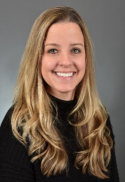
2021-2023 Office for Diversity Inclusion and Community Partnership (DICP) Faculty Fellowship Recipient
Instructor in Pediatrics, Harvard Medical School, Boston Children’s Hospital
Mentor: Valerie Ward, MD, MPH, Assistant Professor of Radiology, Harvard Medical School; Chief Equity and Inclusion Officer, Boston Children's Hospital
Division Chief: Christopher P. Landrigan, MD, MPH, William Berenberg Professor of Pediatrics, Harvard Medical School; Chief, Division of General Pediatrics, Boston Children's Hospital
Project Title: “Role of Implicit Bias in the Assessment of Medical Trainees: Analysis of Evaluations and Experiences from Residents of Diverse Racial/Ethnic Backgrounds”
Project Description: Increasing racial and ethnic diversity in the physician workforce is essential in promoting health equity and helping eliminate health disparities. Yet, there continues to be inadequate representation of individuals from underrepresented in medicine (URiM) backgrounds in medicine, especially in faculty and leadership positions. One possible explanation for this disparity is the infiltration of implicit bias in subjective performance evaluations, which hinders academic advancement. Studies of clerkship evaluations and Dean’s letters revealed significant differences in the language used to describe students by gender and race/ethnicity, with personality-based attributes (eg, nice, kind) more commonly used to describe female and URiM students and competency-based attributes (eg, knowledgeable, skilled) used to describe male and non-URiM students. To the best of our knowledge, there are no studies on the role of bias in URiM resident evaluations. Our two-part study will examine the role of bias in performance evaluations of URiM residents by: 1) comparing the language used in written evaluations of URiM vs. non-URiM residents using natural language processing; and 2) conducting a qualitative analysis of residents’ experiences in receiving biased or discriminatory feedback. The expected outcomes of this study are to inform local and national educational efforts to move towards more objective, competency-based evaluations and faculty training on giving effective feedback. Ultimately, addressing bias in evaluations may lead to more equitable academic advancement of URiM trainees and more URiM faculty/leaders in academic medicine.
Biography: Marcella Luercio, MD is an attending in Hospital Medicine at Boston Children’s Hospital and Instructor in Pediatrics at Harvard Medical School. She was born and raised in Fortaleza, Brazil, where inequities in the public education and health systems inspired her to pursue a career addressing inequities in medical education and health disparities. Her medical education work focuses on uncovering and addressing the role of implicit bias in performance assessments of trainees of underrepresented in medicine backgrounds. Her work aims to create equitable practices in clinical feedback to promote the advancement and retention of diverse trainees in academic medicine. She also conducts qualitative research exploring the experiences of patients and families with Limited English Proficiency during hospitalization.
Dr. Luercio received her undergraduate degree in biology from the Honors Program at the University of Michigan-Flint. After college, she completed a 2-year research training program at the National Institutes of Health, investigating health disparities in diabetes and heart disease. She completed medical school at the Cleveland Clinic Lerner College of Medicine of Case Western Reserve University and residency training at the Boston Combined Residency in Pediatrics at Boston Children’s Hospital and Boston Medical Center, where she also served as chief resident. She is a graduate of the Rabkin Fellowship in Medical Education at Beth Israel Deaconess Medical Center. In recognition of the impact of her projects, she has been awarded grants from the American Diabetes Association and Boston Children’s Hospital (Mark A. Schuster Seed Grant), and has been invited to present her work at several national meetings. In 2021, she was chosen as one of six junior faculty to participate in the Boston Children’s Underrepresented in Medicine Faculty Coaching and Academic Advancement Program. She is committed to mentoring trainees who are underrepresented in medicine and serves as a faculty advisor in the Diversity Council of the Boston Combined Residency in Pediatrics. She also sits on the residency’s Clinical Competency Committee.
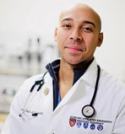
2021-2023 Office for Diversity Inclusion and Community Partnership (DICP) Faculty Fellowship Recipient
Instructor in Emergency Medicine, Harvard Medical School, Massachusetts General Hospital
Mentor: Ali Raja, MD, MBA, Professor of Medicine, Harvard Medical School; Executive Vice Chair, Department of Emergency Medicine, Massachusetts General Hospital
Department Chair: David F. M. Brown, MD, Trustees Professor of Emergency Medicine, Harvard Medical School; Chair, Department of Emergency Medicine, Massachusetts General Hospital
Project Title: "Expansion of Vot-ER’s Healthy Democracy Kit program as Part of a Nationwide Health Care-based Voter Registration Campaign"
Project Description: Massachusetts General Hospital Emergency Department (MGH ED) recently started Vot-ER which is a new operational initiative aimed at offering patients who are not registered to vote an opportunity to register using an online voter registration platform while in the ED. Our analysis aims to measure the rates of voter registration at Boston area hospitals and healthcare organizations through the 2021 Boston Mayoral election cycle. We also seek to use publicly available voter data to longitudinally track the patient population that has become registered in these settings in the lead up to the mayoral election in an effort to identify if they turn out to vote at higher rates than the average population.
Biography: Alister Martin, 32, is a practicing emergency physician and former Chief Resident at Massachusetts General Hospital. He served as a former Health Policy Aide to Governor Peter Shumlin of Vermont and Congressman Raul Ruiz of California. He works at the intersection of public policy and medicine as research faculty at the Harvard Kennedy School Behavioral Insights Group and as clinical faculty at Harvard Medical School in the Center for Social Justice and Health Equity. He leverages his background in politics, policy, and the field of behavioral economics to use the ER as a place to build programs that serve the needs of vulnerable patients. He is the founder of Vot-ER, a nonpartisan voter registration organization that has organized over 26,000 healthcare providers and 300 hospitals to help non-urgent patients register to vote. He is the founder of Get Waivered, a program that is converting our nation’s ERs into the front door for opioid addiction treatment. He also co-founded GOTVax, an initiative aimed at leveraging a get out the vote framework to deliver vaccines directly to vulnerable communities throughout Boston via hyper-targeted vaccine pop up clinics. He graduated Summa Cum Laude from Rutgers where he was a Division 1 tennis player.
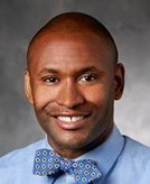
2021-2023 Harvard Catalyst PRogram for Diversity Inclusion (PFDI) Faculty Fellowship Recipient
Instructor in Pediatrics, Harvard Medical School, Boston Children’s Hospital
Mentor: Seth Rakoff-Nahoum, MD, PhD, Assistant Professor of Pediatrics, Harvard Medical School; Associate Physician in Pediatrics, Boston Children’s Hospital
Division Chief: Scott B. Snapper, MD PhD, Professor of Medicine, Harvard Medical School; Chief, Division of Gastroenterology, Hepatology and Nutrition, Boston Children's Hospital
Project Title: “Modification of Gut Microbiome Antibiotic Resistance through Dietary Glycans”
Project Description: The gut microbiome plays an important role in health and disease. One of these important roles is excluding opportunistic enteric pathogens by “colonization resistance”. Bacteroides is the predominant Gram-negative bacteria of the human gut where it competes and survives with a unique capacity to metabolize a diverse range of dietary glycans. Depletion of the Bacteroidetes phylum during antibiotics use is associated with increased risk of enteric infections, including Clostridium difficile. There is a link between diet and the microbiota as well as an important role for metabolism in bacterial antibiotic susceptibility. My preliminary data establishes carbohydrate-specific effects of antibiotic susceptibility in Bacteroides ovatus during cultivation in vancomycin. Further, Transposon Sequencing (TnSeq) studies identified carbohydrate utilization genes associated with antibiotic fitness effects. My project, “Modification of Gut Microbiome Antibiotic Resistance through Dietary Glycans” hypothesizes that specific glycans tune antibiotic susceptibility in Bacteroides and that this may be understood to devise targeted antibiotic-specific prebiotic strategies to promote colonization resistance. To test this, we will: determine which dietary sugars impact antibiotic susceptibility across antibiotic class and Bacteroides strains (Aim 1); use next generation sequencing approaches to elucidate mechanisms by which sugars modulate antibiotic susceptibility (Aim 2); and assemble co-resident Bacteroides communities isolated from pediatric BMT patients’ stool to identify patient-specific optimal sugars that maximize Bacteroides resistance while minimizing opportunistic gut pathogens (Aim 3). This project involves collaboration with BCH Heme/Onc/SCT, utilizing stool from pediatric hematopoietic stem cell transplant patients. The work also benefits from use of the Harvard Biopolymers facility.
Biography: Dr. Dennis Spencer is a Pediatric Gastroenterologist at Boston Children’s Hospital (BCH) and an Instructor in Pediatrics at Harvard Medical School (HMS). A physician-scientist, he is an investigator in the Rakoff-Nahoum laboratory (HMS/BCH) with a focus on the impact of diet on the composition and function of the gut microbiome. Dr. Spencer is a Faculty Advisor in the HMS Office of Recruitment and Multicultural Affairs as well as Faculty Chair of the BCH Graduate Medical Education Committee’s Joint Diversity & Recruitment subcommittee. He was recently awarded the 2021 Harold Amos Faculty Diversity Award from HMS. The National Medical Association has also recognized Dr. Spencer as a 2021 Top Physician Under 40 Award recipient. Dr. Spencer completed the Harvard Medical School (HMS) Fellowship in Pediatric Gastroenterology, Hepatology, and Nutrition at Boston Children’s Hospital following his residency at Lucile Packard Children’s Hospital / Stanford University. He is a graduate of the Weill Cornell / Rockefeller / Sloan-Kettering Tri-Institutional MD-PhD Program, obtaining a PhD in Microbial Pathogenesis and Immunology from The Rockefeller University. He is also a proud alumnus of Morehouse College.
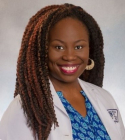
2021-2023 Office for Diversity Inclusion and Community Partnership (DICP) Faculty Fellowship Recipient
Instructor of Pediatrics, Harvard Medical School, Brigham and Women’s Hospital
Mentor: Sarbattama Sen, MD, Assistant Professor of Pediatrics, Harvard Medical School; Assistant of Pediatrics, Brigham and Women’s Hospital
Department Chair: Terrie E. Inder, MBChB, MD, Mary Ellen Avery Professor of Pediatrics, Harvard Medical School, Chair, Department of Pediatric Newborn Medicine Brigham and Women’s Hospital
Project Title: “Placental Function, Pro-Resolving Lipid Mediators and Developmental Programming of Adiposity”
Project Description: Maternal obesity in pregnancy program the offspring to increased risk for metabolic syndrome and obesity through the life course, a vicious cycle leading to transmission to subsequent generations. The placenta is a programming agent of adult health and disease, yet, little is known on the modifiable placental mechanisms that underpin transgenerational obesity. With the support from the DICP Faculty Fellowship Award, from July 1st, 2021 to June 30th 2023, I will conduct for the first time, a comprehensive characterization of placental SPM and their role in the metabolic programming of neonatal adiposity within the context of maternal obesity. Using placenta samples from a biorepository of an observational study of maternal-child dyads, I will examine associations of pre-pregnancy body mass index with placental concentrations of LC-PUFA and their SPM metabolites, measured using targeted lipidomics approach in Dr. Maddipati’s Lipidomic Core facility by UHPLC-MS. I will investigate associations of placental SPM concentrations with neonatal growth and adiposity. Finally, I will evaluate the metabolic role of placental SPM in neonatal growth and adiposity accrual. A comprehensive metabolic evaluation on placenta specimens will be performed using a novel multiplex platform (Nanostring) at the Molecular Genetics Core at Boston Children’s Hospital. I will perform statistical analyses to evaluate the role of placental SPM as mediators and effect modifiers in the associations of maternal obesity with placental metabolism and neonatal adiposity. In addition to fulfilling the requirements and obligations set forth by the DICP Faculty Fellowship Program, I will continue to participate in relevant educational and training opportunities, career development activities, present at scientific meetings, write and publish the resulting work, and meet with my mentor, collaborators, and department chair for additional guidance and mentorship during this period.
Biography: Dr. Monthé-Drèze is a Neonatologist and researcher at the Brigham and Women’s Hospital in the Department of Pediatric Newborn Medicine, and an Instructor of Pediatrics at Harvard Medical School. She received her MD degree from Albert Einstein College of Medicine and completed her pediatric residency at the Harvard Boston Combined Residency Program. She served as a Neonatal ICU Hospitalist for two years before completing her fellowship at the Harvard Neonatal-Perinatal Medicine program, where she served as Chief Fellow. Throughout her medical training to become a neonatologist, Dr. Monthé-Drèze appreciated how maternal health in pregnancy could impact offspring health throughout its life course. Her academic focus therefore has evolved to elucidate early (prenatal) life modifiable determinants of child outcomes. Considering the rising prevalence of childhood obesity – and its associated long-term health burden throughout the life course – Dr. Monthé-Drèze’s research seeks to provide novel insights onto its developmental origins and inform future intervention studies. While postnatal lifestyle is the most immediate cause of obesity, the influence of the maternal in-utero environment, specifically maternal obesity, is a significant contributor in the intergenerational vicious cycle of obesity. However, specific mediators of these long-term effects and the likely developmental programming mechanisms through which they operate remain unclear. Her research therefore seeks to characterize the underpinnings of transgenerational obesity through 1) Characterizing the role of maternal obesity and obesity-related inflammation on the development of (a) offspring obesity and (b) other related childhood outcomes which have been linked to childhood obesity such as cognition and behavior; 2) Investigating whether maternal diet and specific nutrient intakes during pregnancy have effects on offspring growth and development; 3) Elucidating whether exposure to maternal obesity in-utero may alter neurobiological processes that regulate appetite and hedonic eating behaviors in the offspring. The Diversity Inclusion and Community Partnership Faculty Fellowship Award will give Dr. Monthé-Drèze the opportunity to expand her research into the role of specialized anti-inflammatory mediators in the developmental programming of adiposity. Dr. Monthé-Drèze aspires through her research to directly inform trials in pregnancy specifically targeted for the growing population of women with obesity, and which may have the potential to positively impact the health of the next generation.
2020-2021

2020-2021 Harvard Catalyst Program for Diversity Inclusion (PFDI) Faculty Fellowship Recipient
Assistant Professor of Psychiatry at Brigham and Women’s Hospital
Department Chair: David A. Silbersweig, MD, Stanley Cobb Professor of Psychiatry, Brigham and Women’s Hospital
Mentor: Jeffery C. Huffman, MD, Professor of Psychiatry, Massachusetts General Hospital
Project Title: Development of a positive psychology intervention to improve mood and health related quality of life in patients post hematopoietic stem cell transplantation- Proof of Concept Trial
Project Description: Allogeneic hematopoietic stem cell transplantation (HSCT) is a potentially curative treatment for some hematologic malignancies. Notwithstanding the promising nature, the transplantation process and recovery is intensive and fraught with potential life-threatening complications during recovery. Hence, HSCT recipients have a high burden of distress and quality of life (QOL) deficits. Most efforts to achieve optimal psychological weli-being in this population have targeted the reduction of distress (e.g., depression). However, positive psychological well-being ( e.g., optimism), can buffer against this distress and has been prospectively associated with improved QOL and survival in this population. Positive psychological interventions (PPis), which utilize systematic activities (e.g., recalling positive life events) to promote psychological well-being, have consistently and durably enhanced psychological health and QOL in medical settings, but have never been used in HSCT patients. Given the need for new programs to promote well-being and recovery after HSCT, the proposed project will develop and test a novel PPI in this population to fill this unmet need. I will develop the PATH (Positive psychology for Allogeneic Transplantation of Hematopoietic stem cells) intervention via a review of the literature and application of theoretical frameworks, then test its acceptability (via quantitative participant ratings and qualitative feedback at exit interviews) in a one-arm proof-of-concept trial (N= l0; Aim 1). Next, I will test its feasibility and preliminary efficacy on health outcomes in a pilot randomized controlled trial (N=60; Aim 2). In sum, the HMS-PFDD Award will prepare me to become an independent investigator and leader who develops novel evidence-based supportive oncology interventions.
Biography: Hermioni L. Amonoo, MD, MPP, is an Assistant Professor at Harvard Medical School (HMS) and a staff physician in the Department of Psychiatry at Brigham and Women’s Hospital (BWH) and the Department of Psychosocial Oncology and Palliative Care at the Dana-Farber Cancer Institute (DFCI). She is also the Associate Training Director of the BWH/HMS Adult Psychiatry Residency Training Program. Dr. Amonoo was born and raised in Accra, Ghana and miraculously moved to Indiana to complete her BSc. in Biology and Chemistry at Purdue University. She then completed her M.D. and M.P.P. at Harvard Medical School and Harvard Kennedy School of Government. She completed her clinical training at the Massachusetts General Hospital/McLean Hospital Adult Psychiatry Residency Training Program and the BWH/DFCI Consultation Liaison Psychiatry and Psychosocial Oncology Fellowship. Her clinical work in medical psychiatry and psychosocial oncology inspired her research program aimed at understanding distress in vulnerable cancer populations to inform the development of novel supportive oncology interventions that impact health outcomes.
2020-2022
2020-2022 Harvard Catalyst Program for Diversity Inclusion (PFDI) Faculty Fellowship Recipient
Assistant Professor of Radiology at Massachusetts General Hospital
Department Chair and Mentor: Constance D. Lehman, MD, PhD, Professor of Radiology, Massachusetts General Hospital
Project Title: External Validation and Clinical Assessment of a Deep Learning Risk Prediction Model for Mammography Interpretation
Project Description: While recent studies evaluating artificial intelligence (AI) demonstrate promising results, it is imperative that AI tools are thoroughly assessed prior to widespread use to avoid past mistakes with implementation of conventional computer assisted detection (CAD), which led to increased healthcare costs despite only marginal benefit. Current AI studies largely share the following that may limit maximal clinical utility: 1) requirements for large, well-curated datasets to train and validate algorithms, which may not be representative of real-time clinical imaging data 2) validation using internal data sets only, limiting generalizability to diverse patient populations, equipment manufacturers, and/or clinical settings, and 3) lack of evidence on how AI tools can be implemented to maximize clinical impact. We have previously published on our AI model using deep learning techniques, developed from institutional data using 223,109 consecutive screening mammograms performed in 66,661 women from January 1, 2009 to December 31, 2016, that predicts breast cancer risk, based on a woman’s current mammogram. Our model obtained an AUC of 0.82(95%CI:0.80,0.85). Personalized risk prediction scores determined by our model can potentially be used by radiologists to improve radiologist’s interpretative performance, if provided at the time of mammography interpretation. To inform clinical implementation of our model, we aim to 1) validate our AI model utilizing imaging data from a large, diverse external dataset and 2) quantitatively determine the effect of our model on radiologist interpretative performance. Together, this work has the potential to positively impact breast cancer screening by providing a framework for clinical implementation of our model to improve radiologist performance.
Biography: Randy C. Miles MD, MPH, is an Assistant Professor in the Department of Radiology at Massachusetts General Hospital. He is originally from Green Level, NC. He completed his B.S. in Chemistry from Hampton University graduating Summa Cum Laude with Honors. Subsequently, he obtained his MD from Mayo Clinic College of Medicine, where he co-led health missions to underserved regions in Haiti and the Dominican Republic. His international public service led him to obtain a MPH from Chan Harvard School of Public Health, where he was awarded the Zuckerman fellowship. During this time, he learned about racial disparities in breast cancer mortality and discovered his passion for improving breast cancer care in traditionally underserved groups. His clinical practice as a board- certified radiologist, specializing in breast imaging, includes image interpretation of digital mammography, digital breast tomosynthesis (“3D mammography”), breast ultrasound (including automated breast ultrasound (ABUS)), and breast MRI. He also performs image- guided procedures including breast biopsies, aspirations, wire/seed localization, and lymphoscintigraphy. His clinical, research, and public health efforts center around improving breast cancer outcomes primarily through 1) identifying barriers to breast cancer screening, 2) creating patient-centered initiatives to improve access to breast imaging services, and 3) examining how to improve delivery of high quality, guideline- concordant breast care for all patients using artificial intelligence. Within the breast imaging division, he has a leadership role in community health, where he has led research efforts focused on reduction of breast cancer screening barriers, appropriate utilization of supplemental screening tools, and assessment of online patient educational materials for factors related to health literacy. In addition, he currently works with international hospitals to improve all facets of care in breast imaging related to physician training, workflow optimization, and patient experience.
2020

2020 Office for Diversity Inclusion and Community Partnership (DICP) Faculty Fellowship Recipient
Assistant Professor of Population Medicine, Harvard Pilgrim Healthcare, Department of Population Medicine, Harvard Pilgrim Health Care Institute
Division Chief: Ann C. Wu, MD, MPH, Ruth Sager Endowed Associate Professor, Department of Population Medicine, Harvard Medical School; Pediatrician, Boston Children’s Hospital
Mentors: Ann C. Wu MD, MPH, Ruth Sager Endowed Associate Professor, Department of Population Medicine, Harvard Medical School; Pediatrician, Boston Children’s Hospital
Laura A. Hatfield, PhD, Associate Professor of Health care Policy (Biostatistics), Department of Health Care Policy, Harvard Medical School
Project Description: Traditional decision-making research focuses on individuals. While intergenerational relationships between family members play an essential and role in medical decision making, consideration of how values and preferences for multiple decision-making parties is complex and has therefore not received much attention in research. Decision-making with multiple stakeholders who aim to maximize multiple objectives can be challenging conceptually and protocols can be challenging to enact. Related to child health in particular, the role children play and the weight their preferences hold in decision making can change as children develop and mature.
Some researchers have qualitatively explored how parents and adolescents divide decision making roles regarding adolescent health, but there is little quantitative research that explores this concept. In this study, we will develop mathematical models to maximize utility for multiple stakeholders, obtaining optimal decisions. We will apply this utility function to a large, longitudinal secondary data set that supports the study of health and welfare within families. The results of this pilot work will be used to design an intervention to improve intergenerational decision making regarding adolescent health that will be evaluated in a mixed methods interventional study.
Biography: Davene R. Wright, PhD is a health care researcher who uses decision sciences methodologies to design interventions and promote policies that can improve the management of pediatric chronic diseases. Dr. Wright is an Assistant Professor in the Department of Population Medicine, a research and academic partnership between the Harvard Pilgrim Health Care Institute and Harvard Medical School. There, she is part of the Center for Healthcare Research in Pediatrics and the Division of Chronic Disease Across the Lifecourse and she is on faculty in the Harvard PhD Program in Health Policy. Until 2019, Dr. Wright was an Assistant Professor in the University of Washington Departments of Pediatrics and Pharmacy. Dr. Wright received a BS in Polymer and Textile Chemistry from the Georgia Institute of Technology where she was a President’s Scholar and ORISE Fellow. She earned her PhD in Health Policy and Decision Sciences from Harvard University in 2012 where she was a recipient of the National Science Foundation Graduate Research Fellowship. Dr. Wright is a Trustee of the Society for Medical Decision Making (SMDM), the co-Chair of the Decision Sciences for Child Health Collaborative, is on the Oversight Advisory Committee for the American Heart Association Strategically Focused Children’s Research Network, and is a Statistical and Methods Reviewer for JAMA Network Open. She is a recipient of the Harvard Medical School Diversity, Inclusion, and Community Partnership Faculty Fellowship. Dr. Wright’s research aims to improve the supply of and demand for efficient health care that can improve the management of pediatric chronic diseases with a focus on childhood obesity. In her work, she utilizes conjoint analysis, economic evaluation, simulation modeling, health services research, and behavioral economic research methods. Dr. Wright’s work has been funded by NIH, the American Heart Association, and the American Diabetes Association. You can find her on Twitter @WrightCensored.
2018

2018 Harvard Catalyst Program for Faculty Development and Diversity Inclusion (PFDD) Faculty Fellowship - HMS
Instructor, Department of Biological Chemistry and Molecular Pharmacology, Massachusetts General Hospital
Mentor: Mark W. Albers, MD, PhD, Assistant Professor of Neurology, Frank Wilkens Jr. and Family Endowed Scholar in Alzheimer’s Disease Research, Massachusetts General Hospital
Department Chair: Merit Cudkowicz, MD, Julieanne Dorn Professor of Neurology, Head of the Department of Neurology, Massachusetts General Hospital
Project Title: “Preclinical identification and validation of a novel inflammatory signature as biomarkers for the treatment of ALS”
Project Description: Amyotrophic lateral sclerosis (ALS) is a devastating neurodegenerative disease that progressively erodes neurons in the brain and spinal cord. Current therapies only offer modest benefits to ALS patients, necessitating a better understanding of the mechanisms of neurodegeneration. We have identified a novel mechanism in ALS that is initiated by genomeencoded dsRNA that activates a neuroinflammatory antiviral innate immune pathway, leading to neurodegeneration. We developed and screened a neural culture model system of dsRNAmediated neurotoxicity and we identified an FDA-approved drug that rescues neurotoxicity. We will determine if this drug can reduce neurodegeneration in an animal model before it can be tested in a clinical trial for ALS. Additionally, it will be essential to identify mechanistic biomarkers for efficacy of this drug in patients. Based on work in the literature and our work, we initially propose to test if a panel of 4 biomarkers found in the CSF of ALS patients that are elevated by dsRNA-mediated signaling. We will examine the effectiveness of the drug to decrease the expression of these biomarkers in our culture model. Working with collaboration with computational scientist we identified an additional 25 secreted proteins by mass-spec based proteomics, whose expression is increased by dsRNA. We will further test if these can be novel mechanistic biomarkers for drug activity. This study will help determine if an FDA-approved drug we found to rescue dsRNA-mediated toxicity is a viable option as a therapeutic drug for ALS patients.
Biography: Steven Rodriguez, Ph.D., is an Instructor in the Department of Neurology at Massachusetts General Hospital. Steven was born and raised in Bronx, NY. He completed his B.A. from Queen's Collage CUNY. Steven got his Ph.D. studying the development and connectivity of neurons in the mouse olfactory neural circuit in the lab of David Lin at Cornell University. During his work he elucidated a non‐cell‐autonomous role for Notch2, a gene known for its role in development, in maintaining neuronal viability in adult mice. This work got him interested in studying mechanisms of neurodegeneration. He did a postdoctoral fellowship under the guidance of Dr. Mark Albers at the Institute for Neurodegenerative disease at MGH. In Mark’s lab, he uses the main olfactory system and human cultured neurons to study mechanisms of neurodegeneration. He found a novel mechanism of neurotoxicity mediated by DNA damage induced activation of antiviral innate immune pathways. Steven also became a member of the Lab of Systems Pharmacology at Harvard Medical School where he continues to work on the role of antiviral signaling in neurodegeneration and on identifying therapeutic approaches to treat neurodegenerative disease.
2017-2019

2017-2019 Office for Diversity Inclusion and Community Partnership (DICP) Faculty Fellowship Recipient
Assistant Professor, Harvard Medical School, Department of Pediatrics, Boston Children’s Hospital
Mentor: Joseph Gonzalez-Heydrich, MD, Associate Professor of Psychiatry, Harvard Medical School, Boston Children’s Hospital
Division Chief: Christopher Walsh, MD, PhD, Bullard Professor of Pediatrics and Neurology, Harvard Medical School; Chief, Division of Genetics and Genomics, Boston Children’s Hospital
Project Title: “Using Whole Genome Sequencing to Find Non Coding Region Mutations Responsible for Very Early Onset Psychosis”
Project Description:
Studying extreme forms of a condition gives a lot of information that can be applied to more typical forms of a condition. Patients with Very Early Onset Psychosis (VEOP) are rare, having a prevalence of around 1 in 40,000; however, studying these extremely severe cases is important for understanding mental health as a whole (including autism and adult onset schizophrenia).
Dr. Gonzalez-Heydrich and I have been performing exome and chromosomal microarray (often called CMA) genetic testing on patients with VEOP with success, leading to the discovery of some new genes for this condition. However, there is a subset of patients for which this approach has been unsuccessful in producing gene candidates. The DICP award allows us to perform a more complete genetic test, called Whole Genome Sequencing (abbreviated as WGS) on these patients. WGS will allow us to find mutations that we would not be able to detect in exomes or CMAs. Aim 1 is to perform WGS on VEOP proband-parent sets for whom CMA and WES have failed to identify strong candidate mutations, and to use a series of computational tools to identify additional candidate variants that might contribute to their condition. Aim 2 is to manually inspect genomic regions for repeat expansions found patients with frontotemporal dementia (FTD), as we have preliminary data suggesting an overlap of VEOP with FTD. It has recently become appreciated that these non-exonic variants can be transcribed and translated making toxic gain of function products that contribute to neural degeneration.
Biography:
Dr. Brownstein is a Research Associate in Genetics and Genomics, Instructor in Pediatrics, and the Manager of the Molecular Genetics Core Facility at Boston Children’s Hospital. As the Scientific Director for the Manton Center for Orphan Disease Research and specializing in gene discovery, Dr. Brownstein has been instrumental in the elucidation of several new disease genes for conditions such as intellectual disability, nemaline myopathy, very early onset psychosis, SIDS, and hypophosphatemic rickets. Her current work focuses on advancing the fields of next generation sequencing and analysis, as evidenced in her management of the international CLARITY and CLARITY Undiagnosed competitions.
2017-2019 Office for Diversity Inclusion and Community Partnership (DICP) Faculty Fellowship Recipient
Assistant Professor of Health Policy and Management, Harvard T.H. Chan School of Public Health
Mentor: Ashish K. Jha, MD, MPH, K.T. Li Professor of Medicine, Harvard Medical School; Professor, Department of Health Policy and Management, Director, Harvard Global Health Institute, Harvard T.H. Chan School of Public Health
Division Chief: David W. Bates, MD, MSc, Professor of Medicine, Harvard Medical School; Chief, Division of General Internal Medicine and Primary Care, Brigham and Women’s Hospital; Professor of Health Policy and Management, Harvard T.H. Chan School of Public Health
Project Title: “Do Hospital Penalties Improve Health Equity? Impact of the Hospital Readmissions Reduction Program on Minority Populations and the Hospitals that Serve Them”
Project Description:
The Affordable Care Act (ACA) has made reducing readmissions a national priority by introducing the Hospital Readmissions Reduction Program (HRRP), which penalizes hospitals with higher-than-expected readmission rates. Early data suggest that readmission rates for incentivized conditions (acute myocardial infarction, heart failure, and pneumonia) have declined for Medicare patients nationally from over 21 percent in 2009 to under 18 percent in 2015.1 While these are average effects across the nation, the effect of HRRP on racial and ethnic minorities is unknown. Prior work has shown that blacks and Hispanics are at substantially higher risk of being readmitted. Beyond patients, we know that minority-serving hospitals have higher readmission rates for their patients, even after accounting for differences in patient characteristics. Given the ongoing national shift towards value-based care,2 it is critical to understand whether and how HRRP has impacted care for minority populations and the hospitals that care for them. Failure to do this work will substantially increase the likelihood that we fail to learn the lessons for how best to improve care for minority populations. Therefore, in this study, using a natural quasi-experimental design and mixed-methods approach, we seek to: (1) understand the impact of the HRRP policy on changes in readmission rates for racial/ethnic minorities and whether it has led to meaningful reductions in health disparities, (2) determine the effect of HRRP on minority-serving hospitals, and (3) identify effective strategies for reducing readmission rates for racial and ethnic minorities using a national survey of over 1,000 U.S. hospitals.
Biography:
Jose F. Figueroa, MD, MPH is an Instructor of Medicine at Harvard Medical School and an Associate Physician at Brigham & Women’s Hospital. He graduated from Harvard Medical School and the Harvard School of Public Health in 2011 with a concentration in health policy. He recently completed his residency in Internal Medicine at the Brigham & Women’s Hospital, where he now serves as Faculty Director of the BWH Residency Management & Leadership Track. Currently, his main research interests include: 1) identifying needs and successful models of care for high cost populations; 2) improving quality of care for vulnerable patients, including racial/ethnic minorities, frail elderly, and people with mental health disease; and 3) understanding the impact of federal and state policies on health care quality and costs.

2017 Harvard Catalyst Program for Faculty Development and Diversity Inclusion (PFDD) Faculty Fellowship - HMS
Lecturer, Department of Biological Chemistry and Molecular Pharmacology, Harvard Medical School
Mentor: Gerhard Wagner, PhD, Elkan Rogers Blout Professor, Department of Biological Chemistry and Molecular Pharmacology, Harvard Medical School
Department Chair: Stephen Blacklow, PhD, MD, Gustavus Adolphus Pfeiffer Professor; Chair, Department of Biological Chemistry and Molecular Pharmacology, Harvard Medical School
Project Title: “Structure-Function Analysis of Translation Initiation Using CRISPR/Cas9 in the Human Parasite Leishmania”
Project Description: Leishmaniasis is a parasitic disease that affects more than 350 million people worldwide and is endemic in vast areas of the tropics, subtropics, and the Mediterranean basin. Native populations, travelers, and military personnel who spend time in affected areas are most at risk. Parasites cause four clinical syndromes; these include a visceral form of the disease, which is lethal, and a cutaneous form, which is the most widespread. The goal of our research project is to validate translation initiation factors in parasites, as targets for specific anti-parasitic drugs against Leishmaniasis. We are establishing a CRISPR/Cas9 genome-editing platform to knockout specific translation initiation factors in Leishmania and will use a quantitative proteomic technique (SILAC labeling coupled to mass spectrometry analysis) to monitor changes in Leishmania protein expression induced by knockout or overexpression of translation initiation factors. We will also use biophysical techniques, such as X-ray crystallography and nuclear magnetic resonance, to determine the molecular structures of candidate translation initiation factors (and their associated protein complexes), to identify differences and similarities between the factors found in human cells and their orthologs in parasites. We expect our findings to translate into novel anti-parasitic drugs. They will also offer a proof of concept for this approach in treating other parasitic infections that significantly burden human health but currently have limited treatment options.
Biography: Mélissa Léger-Abraham, PhD, is an Instructor at Harvard Medical School in the Department of Biological Chemistry and Molecular Pharmacology. Her research focuses on understanding the structural basis for protein translation in parasites that cause two important human diseases, Leishmaniasis and Malaria. Dr. Léger-Abraham was originally born in Montreal, Canada. She is the daughter of a French-Canadian father and a Haitian mother. She obtained her PhD in Biochemistry at the Université de Montréal. She conducted her postdoctoral studies in the laboratory of Professor Gerhard Wagner at Harvard Medical School. Her research combines techniques in molecular biology (including CRISPR/Cas9 genome editing), protein biochemistry, and structural biology (X-ray crystallography and nuclear magnetic resonance). Her goal is to identify and structurally characterize key components in the parasite protein translation machinery to develop a new class of specific anti-parasitic agents.

2017-2019 Office for Diversity Inclusion and Community Partnership (DICP) Faculty Fellowship Recipient
Assistant Professor, Harvard Medical School, Department of Neurology, Massachusetts General Hospital
Mentor: John Hsu, MD, Associate Professor of Medicine, Department of Medicine, Associate Professor of Health Policy, Department of Health Care Policy, Harvard Medical School; Massachusetts General Hospital
Co-Mentor: Lee H. Schwamm, MD, FAHA, Professor of Neurology, Harvard Medical School; Executive Vice Chairman, Neurology Department, Massachusetts General Hospital
Project Title: “Prescribing Quality in Older Adults with Risk Factors for Seizures”
Project Description:
Anticonvulsants are among the most commonly prescribed drugs in older adults and unfortunately there is limited information regarding when and how physicians should prescribe it, while accounting for the chance of provoking adverse effects. This program will explore prescribing patterns in older patients with and without seizures (e.g., after a head trauma or a stroke) and examine the associations between measures of anticonvulsant use and a range of outcomes, including drug side effects and loss of independence.
I have three research aims to: (1) validate measures of anticonvulsant drug indications, use, and related outcomes using individual-level linked electronic health records and Medicare claims; (2) assess anticonvulsant prophylaxis in Medicare programs; and (3) assess the association between the validated prescribing measures and clinical events. I will utilize advanced statistical modeling to address the challenges posed by comparative effectiveness research applied to geriatric neurology under the guidance of biostatisticians and epidemiologists. I will develop expertise in pharmacoepidemiology, causal inference and comparative-effectiveness analysis. These activities will help me develop interventions to improve safety with respect to anti-seizure prophylaxis among vulnerable populations in the second year of the award period (R01 application).
The long-term goal of this program is to help me become an independent investigator with expertise in clinical and population research, with the necessary skills needed to conduct high impact research projects for older patients with multiple medical conditions. This award will begin to fill the unmet public health need for evidence of safe, effective, and person-centered treatments in geriatric neurology.
Biography: Lidia Moura, MD, MPH is a neurologist and health services researcher in the Department of Neurology at the Massachusetts General Hospital (MGH). Her studies primarily combine the use of medical records, registries, patient-centered surveys and large automated data sets to assess care quality and efficiency in neurology. She received her MD degree from the Catholic University of Medicine in Brasilia, Brazil. She completed her residency training in Neurology at the State University of Rio de Janeiro, in Brazil. At the MGH, she completed a research fellowship in clinical trials, a two-year clinical fellowship in Clinical Neurophysiology and Epilepsy, and a one-year clinical fellowship in Advanced General Neurology to focus on the care of vulnerable patients with complex neurological needs. She also holds a Master’s Degree in Public Health from the Harvard T.H. Chan School of Public Health. In recognition of the impact of her projects, she has been honored by the MGH Center of Expertise in Quality and Safety, the American Clinical Neurophysiology Society, the Grass Foundation, the Partners HealthCare President, the American Academy of Neurology, and the Harvard Catalyst program.
2016

2016 Office for Diversity Inclusion and Community Partnership (DICP) Faculty Fellowship Recipient
Assistant Professor of Microbiology and Immunobiology, Department of Microbiology and Immunobiology, Harvard Medical School
Mentor: Stephen Harrison, PhD, Giovanni Armenise - Harvard Professor of Basic Biomedical Science, Harvard Medical School; Department of Biological Chemistry & Molecular Pharmacology, Harvard Medical School
Division Chief: Daniel R. Kuritzkes, MD, Professor of Medicine, Harvard Medical School; Chief, Division of Infectious Diseases, Brigham and Women's Hospital
Project Title: “Optimized Human Monoclonal Antibody Cocktails for the Treatment of Filovirus Disease”
Project Description: During the 2014-2015 Ebola outbreak the World Health Organization identified the use of Ebola survivor blood products as a priority therapy. In one such approach, called ‘passive immunity’, survivor serum is transfused into infected individuals. This is expected to work in part because the serum often contains virus-inactivating antibodies. The project is an effort to use the blood of survivors of filovirus infection (Ebola and Marburg viruses) to develop novel, antibody-based therapies against these infections. We have adapted a protocol that allows us to isolate pathogen-specific antibodies from the blood of survivors. From these cells, we will recover genes encoding antibodies that react against the filovirus surface glycoprotein. These sequences will allow us to produce large quantities of recombinant antibodies to study the antibodies’ antiviral function using cell-based assays, and their structures using methods in structural biology. Questions we aim to answer include: on the virus side, what features of the viral glycoprotein should therapeutic antibodies target? On the antibody side, other than its direct ability to interact with the virus, are there important properties that help it best fight infection? We anticipate that the basic findings from our research will inform the design of specifically tailored monoclonal antibody cocktails to treat these highly lethal infections.
Biography: Jonathan Abraham, MD, PhD is an Instructor in Chemistry and Molecular Pharmacology at Harvard Medical School, and a Clinical and Research Fellow in Infectious Diseases at Brigham and Women’s Hospital and Massachusetts General Hospital. He is a physician-scientist and his current work focuses on developing antibody-based therapeutics to treat emerging viral infections. Dr. Abraham graduated from Harvard College with a concentration in biochemical sciences, and from the MD-PhD program at Harvard Medical School, through which he obtained his PhD in Biophysics. He completed residency in Internal Medicine at Brigham and Women’s Hospital. He is a recipient of the Harvard Medical School Dean’s Postdoctoral Fellowship Award, the Burroughs Wellcome Fund Postdoctoral Enrichment Award, and the Brigham and Women’s Hospital Hearst Foundation Young Investigator in Medicine Award. His research uses methods in human immunology and structural biology to study how the human immune system fights off infections by viruses that cause highly lethal diseases.

2016 Harvard Catalyst Program for Faculty Development and Diversity Inclusion (PFDD) Faculty Fellowship - HMS
Associate Professor, Harvard Medical School; Department of Pediatrics, Boston Children's Hospital
Mentor: David Nathan, MD, Robert A. Stranahan Distinguished Professor of Pediatrics and Professor of Medicine, Harvard Medical School; President Emeritus, Dana-Farber Cancer Institute
Division Chief: David A. Williams, MD, Leland Fikes Professor of Pediatrics, Harvard Medical School; Chief, Division of Hematology/Oncology, Department of Pediatrics, Boston Children's Hospital
Project Title: “The Effect of Fetal Hemoglobin on Plasmodium Falciparum Invasion and Growth”
Project Description: P. falciparum, the deadliest of malaria parasites, massively but sequentially degrades hemoglobin subunits beginning with plasmepsin I and II cleavage at α 33-34. Fetal hemoglobin (HbF) is composed of 2 α and 2 γ chains. Due to enhanced α/γ relative to α/β dimer stability, the α chains of HbF may be relatively more resistant to parasitic plasmepsin I and II cleavage as compared to HbA conferring protection from intraerythrocyte growth of P. falciparum to neonates and those with hemoglobinopathies such as hemoglobin (Hb) S, C and E and β-thalassemia, all characterized by high HbF. While others have demonstrated increased invasion but decreased P. falciparum growth in high HbF-containing human and human γ-transgenic murine red cells, the fraction of HbF in erythrocytes required for malaria inhibition, and the mechanism by which HbF exerts this effect, are unknown. Characterizing HbF’s role in P. falciparum infection will help lead to further understanding of how HbF and medications that increase it, such as hydroxyurea, will affect patients with hemoglobinopathies who live in malaria endemic regions.
Biography: Natasha M. Archer, MD, MPH, is a pediatric hematologist/oncologist at Dana-Farber/Boston Children’s Cancer and Blood Disorders Center, an instructor in pediatrics at Harvard Medical School, and associate physician in the Division of Global Health Equity at Brigham and Women’s Hospital. She is also the senior health and policy advisor for Hematology at Partners In Health (PIH), a Boston-based non-profit health care organization. Dr. Archer’s research focuses on the delivery of effective hematology care in resource-limited settings. Dr. Archer has helped the PIH team in Mirebalais, Haiti set up a program for newborn screening and disease management for sickle cell disease. Her ongoing clinical research focuses on ways to effectively diagnosis and manage anemia in Haiti. In addition, Dr. Archer’s translational research explores the relationship between hemoglobin and malaria infectivity. Dr. Archer completed her fellowship in pediatric hematology/oncology at Dana-Farber/Boston Children’s in 2014 and her medicine and pediatrics residency in the Harvard Combined Internal Medicine/Pediatrics Residency training program. She completed the Doris and Howard Hiatt Global Health Equity Residency in 2011. Dr. Archer earned her BS from Yale University in 1999, her MD from Yale University School of Medicine in 2006, and her MPH from Harvard School of Public Health in 2011.

2016 Office for Diversity Inclusion and Community Partnership (DICP) Faculty Fellowship Recipient
Assistant Professor, Harvard Medical School; Department of Medicine, Massachusetts General Hospital
Mentor: Edward T. Ryan, DTM&H, MD, Professor of Medicine, Harvard Medical School; Department of Medicine, Massachusetts General Hospital
Department Chair: Stephen B. Calderwood MD, Morton N. Swartz, MD Academy Professor of Medicine, Harvard Medical School; Chief, Division of Infectious Diseases, Department of Microbiology and Molecular Genetics, Massachusetts General Hospital
Project Title: “Development of a Rapid Point-of-Care Diagnostic for Infectious Pathogens"
Project Description: There is a critical need for the development of a diagnostic platform that can rapidly ascertain whether a patient is infected and the identity of the infecting pathogen. Lack of accessible, rapid, and simple diagnostic assays for infectious diseases limits our ability to get accurate figures on disease burden, complicates the targeted administration of appropriate antimicrobials, and is a major obstacle to surveillance, control and prevention programs. New alternative approaches diagnostic assays and surveillance tools are needed. I propose to develop a point-of-care diagnostic approach using a nano-magnetic assay system to identify pathogen (antigen)-specific leukocytes in infected humans. This approach is novel, rapid, and culture-free and can be applied to a wide range of human pathogens (bacterial, viral, fungal, and parasitic).
Biography: Dr. Richelle C. Charles is an Assistant Professor of Medicine at Harvard Medical School, and a physician-scientist in the Division of Infectious Diseases at Massachusetts General Hospital (MGH). Dr. Charles received her Bachelor’s degree in General Biology from the University of Maryland, College Park and a Doctorate in Medicine from Johns Hopkins University School of Medicine. She completed her residency in internal medicine at MGH in 2006; and in 2009, completed the clinical infectious disease fellowship in the Infectious Disease Fellowship Training Program of MGH and the Brigham and Women’s Hospital. Dr. Charles’ research is focused on decreasing the global burden of mucosal and enteric infections of import affecting resource-poor and marginalized populations. More specifically, her work involves the application of high-trough proteomic and genomic technologies to further our understanding of host-pathogen and immune responses during human infection by V. cholerae (the cause of cholera) and Salmonella enterica serovar Typhi and Paratyphi A (the primary cause of enteric fever) and to identify immunogenic antigens for vaccine and diagnostic development. She has ongoing collaborations with the International Centre for Diarrhoeal Disease Research, Bangladesh and with Partners In Health in Haiti.

2016 Office for Diversity Inclusion and Community Partnership (DICP) Faculty Fellowship Recipient
Assistant Professor of Medicine, Harvard Medical School, Dana-Farber Cancer Institute
Mentor: Gregory A. Abel, MD, MPH, Assistant Professor of Medicine; Harvard Medical School, Department of Medical Oncology, Dana-Farber Cancer Institute
Division Chief: Deborah Schrag, MD, MPH, Professor of Medicine, Harvard Medical School; Chief, Division of Population Sciences, Center for Gastrointestinal Oncology, Department of Medicine, Dana-Farber Cancer Institute
Project Title: “Understanding and Improving End-of-Life Discussions for Blood Cancers”
Project Description: Patients with hematologic cancers are more likely to receive intensive cancer-directed care near death and less likely to enroll in hospice compared to those with solid tumors. Rich and timely end-of-life (EOL) discussions are known to help assure that patients receive EOL care that is consistent with their preferences. Moreover, in a large national survey of US-based hematologic oncologists that we conducted (n=349), the majority (56%) reported that EOL discussions occur “too late.” These data suggest that if we can improve rates of timely EOL discussions for patients with blood cancers, we will be able to improve their care at the EOL.
We propose to study EOL discussions for patients with blood cancers and pilot a physician-targeted intervention to improve these discussions. First, we will determine the prevalence, predictors, and impact of EOL discussions on medical outcomes (intensiveness of cancer-directed care and hospice use) in a cohort of hematologic malignancy decedents. Second, we will pilot a physician-targeted intervention to promote timely EOL discussions for a cohort of patients with relapsed or refractory aggressive non-Hodgkin lymphoma, and compare rates of EOL discussions in the intervention cohort to a historical cohort.
Our study will characterize factors that may render individuals with blood cancers less likely to have timely EOL discussions and identify those groups most in need of intervention. Finally, findings from our pilot will provide preliminary efficacy data that would serve as an important step in addressing the specific EOL needs of this largely understudied population.
Biography: Oreofe Odejide, MD, MPH is an Instructor in Medicine at Harvard Medical School, and a Hematologic Oncologist at the Dana-Farber Cancer Institute. Dr. Odejide graduated with distinction from Howard University College of Medicine, Washington, D.C. She completed her residency in internal medicine at the Brigham and Women’s Hospital, Boston, followed by a fellowship in hematology and oncology at the Dana-Farber/Partners CancerCare Program. She also obtained a Master of Public Health from the Harvard School of Public Health with a concentration in Clinical Effectiveness. Dr. Odejide’s research efforts are focused on understanding and improving quality of care for patients with hematologic cancers throughout the disease continuum – from diagnosis to the end-of-life (EOL) phase. She was the recipient of an American Society of Clinical Oncology Young Investigator Award, with which she conducted a qualitative study of hematologic oncologists to characterize perceptions and decision-making processes regarding EOL care. With funding from the Lymphoma Research Foundation, she then developed and conducted a large national survey of hematologic oncologists to identify barriers to quality EOL care, as well as potential interventions for improvement. The Diversity Inclusion and Community Partnership Faculty Fellowship Award will give Dr. Odejide the opportunity to expand her research to develop and test interventions to improve quality of EOL care for patients with hematologic cancers.
2015

2015 Office for Diversity Inclusion and Community Partnership (DICP) Faculty Fellowship Recipient
Assistant Professor in Medicine, Division of Infectious Diseases, Vanderbilt School of Medicine
Mentor: Kenneth A. Freedberg, MD, MSc, Professor of Medicine, Harvard Medical School; Division of Infectious Diseases and Internal Medicine, Massachusetts General Hospital; Director, Program in Epidemiology and Outcomes Research at the Harvard University Center for AIDS Research (CFAR)
Department Chair: Stephen B. Calderwood, MD, Morton N. Swartz, MD Academy Professor of Medicine, Harvard Medical School; Physician and Chief, Division of Infectious Disease, Vice-Chair, Department of Medicine, Massachusetts General Hospital
Project Title: “Understanding the Clinical and Societal Impact of Re-introducing User Fees for HIV Care in Nigeria”
Project Description: Nigeria is the most populous African nation, and home to the second largest number of people with HIV/AIDS in the world (3.2 million).1 Scale-up of antiretroviral therapy (ART) and clinical services has led to unprecedented progress with 19 million people on ART worldwide, over 600,000 in Nigeria, and markedly decreased mortality. With recent leveling off of the US President’s Emergency Plan for AIDS Relief (PEPFAR), there has been increasing pressure on country governments to fund programs. One approach gaining traction is charging patient user fees to offset program costs.
I have launched a multi-disciplinary international research program, “Care4Life”, focused on improving retention to HIV care in Nigeria. This collaboration has successfully leveraged the scope and resources of AIDS Prevention Initiative in Nigeria (APIN), a national, multi-site HIV treatment network with strong infrastructure and a robust electronic program database. This unique cohort provides the opportunity to quantify the clinical and economic consequences of shifts in cost allocation from funders to patients by 1) measuring the impact of introducing user fees for HIV care in Nigeria on individual patient care utilization and clinical outcomes; and 2) using micro-simulation methods to project the broader national impact of user fees for HIV care on life expectancy, disease transmission, and total cost of care.
Biography: Dr. Aimalohi Ahonkhai completed her undergraduate training in biological anthropology at Harvard College and obtained her MD from Johns Hopkins University. She completed her residency in internal medicine and MPH at Johns Hopkins Hospital and School of Public Health. Committed to optimizing clinical outcomes for marginalized HIV patients, Dr. Ahonkhai received training in clinical infectious disease at Massachusetts General and Brigham and Women’s Hospitals. She has focused her research efforts on implementation research in Sub-Saharan Africa. With collaborators in Nigeria, she established the Care4Life Program, a multidisciplinary initiative to study and improve retention in HIV care. This program has highlighted high rates of unplanned care interruption in this setting and its association with poor CD4 response and virologic outcomes, in addition to disparate clinical outcomes among HIV-infected youth. Dr. Ahonkhai’s goal is to design novel care delivery interventions to improve the quality of HIV care.
2015 Harvard Catalyst Program for Faculty Development and Diversity Inclusion (PFDD) Faculty Fellowship - HMS
Assistant Professor in Medicine, Division of Preventive Medicine, Brigham and Women's Hospital and Harvard Medical School
Mentor: Kenneth J. Mukamal, MD, MPH, MA, Associate Professor of Medicine, Harvard Medical School; Associate Physician, Department of Medicine, Beth Israel Deaconess Medical Center
Division Chief: JoAnn Manson, MD, DrPH, Professor of Medicine and Elizabeth Fay Brigham Professor of Women's Health at Harvard Medical School, and Chief of the Division of Preventive Medicine and Co-Director of the Connors Center for Women's Health and Gender Biology at Brigham and Women's Hospital in Boston
Project Title: “Epidemiological, Pharmacogenomic and Clinical Impact of Catechol-O-Methyltransferase on Cardiovascular Disease”
Project Description: This study is designed to determine if genetic variation in catechol-O-methyltransferase (COMT), a key enzyme in catecholamine metabolism, modifies incidence of cardiovascular disease (CVD) and aspirin treatment effects in men and racial/ethnic minority populations. Despite significant strides in prevention, CVD remains a leading cause of death. Pharmacogenomics, the study of genetic effects on drug response, has expanded understanding of CVD pathophysiology and, at least for specific genes and drugs, raised the possibility of personalized medicine. However, the potential of pharmacogenomics to guide improvements in personalized treatment remains largely unrealized. In particular, the impact of gene interactions with commonly used drugs is difficult to assess in epidemiologic studies and clinical trials. This is partly due to extraordinarily large sample sizes required for genome-wide studies of gene-drug interactions and lack of strong candidate genes. We recently identified COMT as a gene with plausible physiological links to both CVD and drug metabolism. In the Women’s Health Study (WHS), a placebo-controlled trial of aspirin for CVD prevention in predominantly Caucasian women, we showed that highly prevalent COMT variants were associated with incidence of major CVD. Importantly, we showed that COMT-associated CVD 3 protection was eliminated in women randomized to aspirin. Given widespread use of aspirin and evidence that COMT-drug sensitive alleles are more prevalent in minority populations, investigating this pharmacogenetic locus in male and minority racial/ethnic populations is imperative. Here I propose to use genetic data from a multiethnic longitudinal cohort and a clinical study to elucidate the generalizability and underlying mechanisms of COMT-CVD associations.
Biography: Dr. Kathryn T. Hall received her PhD in Microbiology and Molecular Genetics from Harvard University in 1996. During her post-doctoral fellowship with Dr. Lee Nadler at Dana Farber Cancer Institute, she cloned and characterized CD100, the first semaphorin identified in the immune system. For the next 10 years, Dr. Hall tackled problems in biotech research and developed expertise in pharmaceutical drug development, first at Wyeth and then at Millennium Pharmaceuticals, where she became an Associate Director of Drug Development. While working in the pharmaceutical industry, Dr. Hall was struck by the health disparities in access to drugs and the tremendous variability in the responses of those who did receive treatment. To address these issues she developed public health media messages acquiring a Masters in Visual Media Arts from Emerson College. With the goal of continuing to examine and address these issues through academic biomedical research, Dr. Hall returned to Harvard Medical School in 2010, joining the Fellowship in Integrative Medicine at Beth Israel Deaconess Medical Center (BIDMC) in 2012 and receiving a Master’s in Public Health from Harvard School of Public Health in 2014.
Working with Ted Kaptchuk at BIDMC in the Program in Placebo Studies, Dr. Hall focused on catechol-O-methyltransferase (COMT) an enzyme that metabolizes catecholamines such as dopamine and epinephrine and has pleiotropic effects in a broad set of diseases and treatments. Her groundbreaking paper identifying COMT as the first genetic marker of placebo response was published in PLOS ONE and has been cited over 50 times since 2012. Dr. Hall coined the term “placebome” to describe the potential genomic perturbations that influence the placebo response and her review of the evidence and implications of its impact on the placebo response is in press at Trends in Molecular Medicine. Dr. Hall’s research captured media attention and her research has been the focus of numerous articles including features in Science and Discover magazine.
Dr. Hall’s current research builds on the emerging role of COMT in network medicine as a hub influencing disease and treatment outcomes from cardiovascular disease to cancer. Using data from the Women’s Health Study (WHS), a large placebo-controlled randomized clinical trial of aspirin for the prevention of cardiovascular disease, Dr. Hall working with Dr. Daniel Chasman at Brigham and Women’s Hospital made the novel observation that women homozygous for the low-activity form of the COMT enzyme had lower rates of major cardiovascular disease when randomized to aspirin compared to placebo; in contrast high-activity COMT homozygotes had increased rates of cardiovascular disease when randomized to aspirin compared to placebo. These original findings have important implications for personalized medicine and were recently published in Arteriosclerosis, Thrombosis and Vascular Biology, 2014. Currently with Dr. Kenneth Mukamal at BIDMC, Dr. Hall is examining COMT in diabetes and cancer. Dr. Hall will complete the Integrative Fellowship later this year and will join the Harvard Medical School faculty in August 2015.

2015 Office for Diversity Inclusion and Community Partnership (DICP) Faculty Fellowship Recipient
Assistant Professor, Harvard Medical School; Associate Physician, Cardiovascular Imaging Program, Departments of Medicine and Radiology, Brigham and Women's Hospital
Mentor: Marcelo Di Carli, MD, Associate Professor of Radiology, Harvard Medical School; Co-Director, Cardiovascular Imaging; Section Chief, Nuclear Medicine, Brigham and Women’s Hospital
Department Chair: Steven Seltzer, MD, Philip H. Cook Professor of Radiology, Harvard Medical School; Head of the Department of Radiology, Brigham and Women's Hospital
Project Title: “Coronary Flow Reserve to Phenotype Diffuse Coronary Atherosclerotic Burden in Women and Men”
Project Description: Cardiovascular disease kills more women than men annually, yet women account for less of the coronary artery disease (CAD) burden in the United States. Although we have made great strides in the diagnosis and management of heart disease, particularly in our ability to restore blood flow through critical blockages of the coronary arteries using invasive interventions, it is increasingly recognized that even patients without significant coronary blockages may be at significant risk for serious cardiovascular events. Luminal coronary angiography is the gold standard for diagnosis of obstructive CAD and remains a cornerstone of modern cardiovascular care, but it is limited in its ability to identify diffuse atherosclerosis and small-vessel disease. This proposal aims to utilize a novel, noninvasive imaging method using myocardial perfusion positron emission tomography to quantify coronary blood flow in the entire coronary circulation in order to understand mechanisms of adverse cardiovascular outcomes in patients with diffuse coronary atherosclerosis and microvascular dysfunction. This translational work may lead to innovative therapies based on noninvasive and functional, rather than purely invasive and anatomic, approaches to combat ischemic heart disease, especially among women.
Biography: Viviany Taqueti, MD, MPH, FACC is an assistant professor at Harvard Medical School and a cardiologist and cardiovascular imager at Brigham and Women’s Hospital and VA Boston Healthcare. She is a physician-scientist with a translational focus on applying functional imaging tools to phenotype cardiovascular outcomes in ischemic and inflammatory heart disease.
Dr. Taqueti graduated summa cum laude from Harvard College with a concentration in biochemical sciences, and magna cum laude from Harvard Medical School through the Harvard-MIT Division of Health Sciences and Technology with a special focus in immunology. She completed a residency in internal medicine at Massachusetts General Hospital and a clinical and research fellowship in cardiovascular disease and imaging at Brigham and Women’s Hospital. Following clinical training, she obtained a Master in Public Health from Harvard with an emphasis on epidemiology and clinical trials. She is a recipient of the Albert Schweitzer Service Fellowship, Howard Hughes Medical Institute Research Training Fellowship, Paul and Daisy Soros Fellowship for New Americans, American College of Cardiology Foundation/Merck Research Fellowship, Harvard Catalyst Medical Researcher Investigator Training Award and the Curie Award for Women Leadership. Dr. Taqueti balances clinical care, research and teaching responsibilities, and currently serves as a section editor for the Journal of the American College of Cardiology. She is board certified in Internal Medicine, Cardiovascular Disease, Echocardiography and Nuclear Cardiology.
2015 Office for Diversity Inclusion and Community Partnership (DICP) Faculty Fellowship Recipient
Assistant Professor in Pediatrics-Hematology, Baylor College of Medicine, Texas Children's Hospital
Mentor: Matthew M. Heeney, MD, Assistant Professor in Pediatrics, Harvard Medical School; Clinical Director, Pediatric Blood Disorders Center; Director, Sickle Cell Program; Associate Chief, Hematology, Boston Children’s Hospital
Division Chief: David A. Williams, MD, Leland Fikes Professor of Pediatrics, Harvard Medical School; Chief of the Division of Hematology/Oncology, Boston Children’s Hospital; Director of Translational Research, Boston Children's Hospital; Associate Chairman, Department of Pediatric Oncology, Dana-Farber Cancer Institute
Project Title: “The Impact of Increased Provider Knowledge of Sickle Cell Disease on Caregiver Perceptions of Disease in a Low-Income Country”
Project Description: Over 240,000 infants are born with sickle cell disease (SCD) in sub-Saharan Africa (SSA) annually. While survival to age 5 years is 95% for children with SCD in high-income nations, in low-/middle-income countries (LMIC) in SSA survival to age 5 is 10-50%. Early diagnosis through newborn screening (NBS), preventive care, parental education and long-term follow-up decrease mortality.
NBS programs worldwide include screening and follow-up in hospital settings. In 2012, I partnered with local clinicians to pilot NBS for SCD at a large public referral hospital in Liberia. After 18 months of screening, we had diagnosed SCD in 45 infants and 80% of those began penicillin and parental education. However, at 18 months, we discovered that 76% of our patients over age 9 months had not been seen in more than 6 months. Retention in care for pediatric patients diagnosed with a chronic disease is a known challenge in LMICs.
Whereas many people in LMICs have limited access to hospitals, increasing local provider knowledge of SCD could have important implications for the health of SCD patients. This study will build upon my Liberia experience to investigate the impact of enhanced community resources for children with SCD. In Tanzania, where a robust clinical program exists and NBS will begin year, we will investigate the impact of an educational intervention on provider SCD knowledge and on caregiver perceptions of SCD. We will test the hypothesis that an educational intervention for SCD targeting local providers can impact caregiver perceptions of disease and patient outcomes.
Biography: Dr. Venée Tubman is a Pediatric Hematologist / Oncologist at the Dana-Farber / Boston Children’s Cancer and Blood Disorders Center (DF/BC) and an Instructor of Pediatrics at Harvard Medical School in Boston, MA. Dr. Tubman attended medical school at the University of Pennsylvania, then migrated north for pediatrics residency with the Boston Combined Residency Program in Pediatrics at Boston Children’s Hospital, followed by fellowship training in Pediatric Hematology / Oncology at DF/BC. Dr. Tubman’s clinical and research efforts are focused on understanding modifiers of outcomes for patients with hemoglobinopathies (e.g. sickle cell disease, thalassemia), understanding interactions between sickle cell disease and malaria, and in global health program development. In addition to her work locally with patients with hemoglobinopathies, Dr. Tubman has been a consultant at John F. Kennedy Medical Center, the national referral hospital in Monrovia, Liberia, since 2008. Her efforts abroad have supported improving the care of children and newborns, and medical education. In Spring 2010, Dr. Tubman collaborated with local practitioners and international partners to initiate the Chronic Care Clinic, a preventative care program designed to care for children with chronic illnesses including sickle cell disease (SCD). In August 2012, under her guidance, a pilot program was launched to begin to explore SCD in Liberia. As this successful pilot is complete, the steps for expansion of the HEAR SCD Liberia Initiative (Health Care, Education, Advocacy/Awareness, and Research) are underway. Dr. Tubman is dedicated to expanding diversity among physicians in Boston. Her efforts in community building and mentoring were celebrated with the 2015 Boston Children’s Hospital Black Achiever Award.
2014

2014 Office for Diversity Inclusion and Community Partnership (DICP) Faculty Fellowship Recipient
Assistant Professor of Medicine, Harvard Medical School; Director, Health Equity Research & Intervention, Center for Community Health and Health Equity Hospitalist, Division of General Medicine & Primary Care, Brigham and Women's/Faulkner Hospitals
Mentor: Jennifer Hass, MD, MSPH, Professor of Medicine, Harvard Medical School; Professor of Society, Human Development and Health, Harvard School of Public Health; Associate Professor of Medicine, Brigham and Women's Hospital
Department Chair: David W. Bates, MD, MSc, Professor of Medicine, Harvard Medical School; Chief Quality Officer and Senior Vice President, Chief, Division of General Internal Medicine and Primary Care, Brigham and Women’s Hospital
Project Title: "Addressing Social Disparities in Adult Weight Management in Primary Care Settings: Measuring and Managing Stress"
Project Description: Disparities in overweight and obesity are closely related to social determinants of health, which affect the contextual and psychological resources patients rely on to sustain healthy behaviors. Primary care patients who are economically disadvantaged are vulnerable groups who suffer high levels of stress, and are at high risk of having behaviors and chronic conditions associated with overweight and obesity. Innovative approaches are needed in primary care, which directly intervene on stressors associated with economic disadvantage, to reduce disparities in vulnerable groups.
Emerging data show that reducing stress may improve weight loss in stressed patients as a part of comprehensive lifestyle counseling. However, it is not known which strategies for stress management are most effective to co-manage stress, short-term weight loss, and long-term weight maintenance in economically disadvantaged patients.
Under the mentorship of Dr. Jennifer Haas, the initial fellowship activities will focus on developing recruitment strategies, enrollment tools, and identification of intermediate outcomes (process) measurement tools to measure change in (1) perceived stress, (2) short-term weight loss, and (3) long term weight maintenance, in a randomized comparative effectiveness study that compares two stress reduction interventions. The goals of the second six months of the fellowship will include pilot testing of intervention tools to provide preliminary data on (1) recruitment tools and (2) process measurement. These activities will lead to the development and submission of a randomized comparative effectiveness trial testing stress reduction strategies on weight management. We will submit our proposal to the Patient-Centered Outcomes Research Institute (PCORI), and other agencies.
Biography: Cheryl Clark MD, ScD, is a Hospitalist and researcher in Brigham and Women’s Hospital Division of General Medicine and Primary Care, and Director of Health Equity Research & Intervention in the Center for Community Health and Health Equity at the BWH.
Dr. Clark’s research focuses on social determinants of healthy aging and racial and ethnic disparities in health care utilization in aging populations. She is the principal investigator of an award from the National Institutes of Aging to understand the social determinants of cardiometabolic factors in aging populations. Dr. Clark has found that there is geographic variation in early risk factors for atherosclerosis among middle-aged and elderly women in the Women’s Health Study. Dr. Clark is currently investigating social determinants of cardiometabolic risks in midlife and aging populations; and also has expertise in community based participatory research methods in application to cancer screening behaviors in middle-aged and elderly African American populations.
Dr. Clark is currently a member of the Massachusetts Advisory Council to the Health Policy Commission, where she advises the Council on health disparities related to cost containment efforts in Massachusetts. She is the recipient of the 2006 Brigham and Women’s Minority Career Development Award, the 2006 Golden Stethoscope Award for excellence in teaching, the 2009 H. Richard Nesson Fellowship in Community Health, the 2010 REACH partner award, and the 2014-2016 Kaiser Permanente Burch Minority Leadership Award.

2014 Office for Diversity Inclusion and Community Partnership (DICP) Faculty Fellowship Recipient
Associate Professor, Georgetown University Medical Center; Acting Vice Chair of the Department of Otolaryngology at MedStar, Washington, DC
Mentor: Gwenaelle Geleoc, PhD, Assistant Professor of Otolaryngology and Laryngology, Harvard Medical School; Department of Otolaryngology, F.M. Kirby Neurobiology Center, Boston Children's Hospital
Department Chair: Elliot L. Chaikof, MD, PhD, Johnson and Johnson Professor of Surgery, Harvard Medical School; Chairman, Roberta and Stephen R. Weiner Department of Surgery, Surgeon-In-Chief, Beth Israel Deaconess Medical Center
Project Title: "Investigating the Role of Neurotrophin-3 in Acquired Hearing Loss"
Project Description: Age-related hearing loss (ARHL) and noise induced hearing loss (NIHL) are the two most common causes of acquired sensorineural hearing loss in the adult population. They share an underlying mechanism of oxidative injury. Currently there are no approved treatments for the prevention of ARHL or NIHL. The mainstay of therapy is palliative (i.e. hearing aids or cochlear implants with profound losses). Neurotrophic factors are proteins which function in cellular differentiation, neuronal survival, migration, and synapse physiology. The neurotrophic factors brain-derived neurotrophic factor (BDNF) and neurotrophin 3 (NT3) have been demonstrated to play a critical role in inner ear development and have demonstrated some promise in the prevention of NIHL. Few studies have been performed evaluating the impact of neurotrophic factors on the progression of ARHL. The goal of this study is to investigate the role of the NT3 in ARHL and NIHL utilizing a cell-specific inducible knockout and overexpression mouse model. To evaluate the impact of NT3 expression on hearing with aging and noise exposure, relative changes in hearing thresholds across groups will be assess by auditory brainstem response testing and distortion product otoacoustic emissions testing. Changes in synaptic physiology, cochlear morphology, BDNF expression and NT3 expression will be assessed. It is hypothesized that overexpression of NT3 will be correlated with a decreased susceptibility to ARHL and NIHL. It is further hypothesized that overexpression of NT3 will be associated with decreased synaptic losses with aging and noise exposure and correlate positively with BDNF expression in the cochlea.
Biography: Dr. Selena E. (Heman-Ackah) Briggs, MD, PhD, MBA, FACS, Associate Professor at Georgetown University Medical Center, is the former medical director of Otology, Neurotology and Audiology at the Beth Israel Deaconess Medical Center and former clinical instructor in the Department of Otology and Laryngology at Harvard Medical School. She performed her undergraduate education at the University of Pennsylvania, medical school and masters of business administration at the University of Cincinnati, otolaryngology residency at the University of Minnesota and fellowship in neurotology at New York University. In addition to the treatment of skull base tumors (e.g. vestibular schwannoma), she has a particular interest in the treatment of acquired hearing loss. Since joining Beth Israel Deaconess Medical Center in July of 2012, Dr. Selena Heman-Ackah founded the Beth Israel Deaconess Medical Center Cochlear Implant Program with focus on cochlear implantation in the adult population with acquired hearing loss.
Similarly, her research interests are centered around finding preventive therapies for forms of acquired hearing loss. Dr. Selena Heman-Ackah was recently awarded the Diversity Inclusion and Community Partnership Faculty Fellowship to pursue research endeavors focus on understanding the pathophysiology of noise induced hearing loss and age-related hearing loss. She aspires through research to ultimately assist in the development of therapies to assist patients in the prevention and treatment of noise induced or age related hearing loss.
2014 Harvard Catalyst Program for Faculty Development and Diversity Inclusion (PFDD) Faculty Fellowship - HMS
Assistant Professor of Pathology, Harvard Medical School; Massachusetts General Hospital
Mentor: Shiv Pillai, MD, PhD, Professor of Medicine, Harvard Medical School; Professor of Health Science Technology, Harvard-MIT Division of Health Sciences and Technology; Member, Massachusetts General Hospital Cancer Center
Division Chief: David N. Louis, MD, Benjamin Castleman Professor of Pathology, Harvard Medical School, Pathologist-in-Chief, Massachusetts General Hospital
Project Title: Molecular and gene expression-based characterization of pediatric type follicular lymphoma - A novel and prognostically distinct subtype of follicular lymphoma
Project Description: The objective of this proposal is to define the molecular distinctions between prognostically distinct subsets of limited-stage FL, in order to improve therapeutic algorithms. Approximately 60% of cases remain localized and never progress, while the remainder of cases ultimately progress to more aggressive lymphoma. Currently, oncologists have no way of distinguishing the cases that will ultimately progress from those that will remain localized. Nevertheless, 40% of these patients are treated with aggressive chemotherapy on the basis of imprecise algorithms despite the toxicities associated with this treatment. Thus, there is a critical need to obtain more accurate indicators of outcome on which to base therapeutic decisions. We aim to define the gene expression differences and molecular alterations that may distinguish two subgroups of FL – pediatric-type FL (PTFL) and adult-type FL (ATFL) - that we believe are prognostically and biologically distinct. To achieve this goal, we will first define the specific gene expression differences that distinguish these entities. We will also use targeted sequencing to characterize the mutational landscapes that define and distinguish these entities. The results of this proposal will significantly impact lymphoma management, as it would identify a cohort of patients who may potentially be spared the toxic effects of radiation and/or aggressive chemotherapy. This effort will require the integration of multiple disciplines, including pathology (microscopic diagnosis), hematology/oncology, genomic analysis and biostatistical analysis. In order to ensure success, I have assembled a team of scientists, pathologists and clinicians who will provide mentorship in each of these areas.
Biography: Dr. Abner Louissaint, Jr. graduated in 1997 from Washington University in St. Louis as a John B. Ervin Scholar with concentrations in Biology and English literature. He received his MD from Weill Cornell Graduate School in 2005 and a PhD in Neuroscience from Weill Graduate School, where he was awarded the Julian Rachelle Award for the best original research paper published by a graduate student. He came to MGH in 2005, where he completed residency in Anatomic and Clinical Pathology and subsequently completed a fellowship in Hematopathology in 2010. Dr. Louissaint joined the faculty of MGH Pathology two years ago, where his clinical expertise includes hematopathology and autopsy pathology. His research interests are focused on lymphoma diagnosis and pathogenesis; his primary goal as an investigator is to contribute significantly to the diagnosis and treatment of lymphoma by identifying parameters and molecular alterations that help us to understand their pathogenesis, serve as prognostic indicators of outcome, and potentially represent therapeutic targets. In 2010, Dr. Louissaint was awarded the MGH Physician-Scientist Development Award in support of his work on follicular lymphoma. Most recently, he received the 2013 Benjamin Castleman Award at the annual United States & Canadian Academy of Pathology Meeting for his recent paper on pediatric-type follicular lymphoma; the award is granted for an outstanding paper published in the field of human pathology by a researcher under age 40.

2014 Office for Diversity Inclusion and Community Partnership (DICP) Faculty Fellowshp Recipient
Interim Division Chief, Pediatric Incentive, Johns Hopkins All Children's Hospital, St. Petersburg, FL
Mentor: Richard Bachur, MD, Senior Associate in Medicine, Associate Professor of Pediatrics; Harvard Medical School, Chief of the Division of Emergency Medicine, Boston Children’s Hospital
Department Chair: Michael SD Agus, MD, Associate Professor of Pediatrics, Harvard Medical School; Division Chief, Medicine Critical Care, Department of Medicine; Medical Director, Medicine Intensive Care Unit and Intermediate Care Program, Boston Children’s Hospital
Project Title: "Association of cytopenia and endothelial dysfunction in children with severe sepsis and septic shock, and Vascular Endothelial Growth Factor (VEGF) and soluble VEGF receptor-1 (sFLT1) as Novel Biomarkers for worse outcomes in children with Severe Sepsis and Septic Shock"
Project Description: The primary aim of this study is to assess the correlation between cytopenia, VEGF and sFLT1 as predictors of poor outcomes for children with severe sepsis and sepsis shock (SS) as compared to children with isolated sepsis. Children who present to the emergency department with SS and sepsis will be enrolled in study. Leftover blood from routine analysis obtained within the emergency department will be collected after informed consent and analyzed for the presence of VEGF and sFLT1 and cytopenia. The results will be compared as to children with SS have worse cytopenia and higher levels of these biomarkers. In addition, in children with SS, a correlation analysis will be performed to assess if higher levels are predictive of worse outcomes. Finally, the rate of change of biomarkers over the course of their hospital stay will be analyzed to assess for outcome differenced based on change from presentation.
Biography: Dr. Meléndez, a graduate of Harvard Medical School (HMS) class of 1999, is a critical care physician at JOhns Hopkins All Children's Hospital, St. Petersburg, FL. Despite dropping out of high school in the Bronx, he went on to attend Lehman College - City University of New York and then HMS, graduating cum laude from both institutions. Dr. Meléndez completed his general pediatrics training at Boston Children's Hospital, and was the first person to complete subspecialty fellowships in Pediatric Critical Care at Massachusetts General Hospital and Pediatric Emergency Medicine at Boston Children's Hospital. He previously provided care to children through the Division of Emergency Medicine and the Division of Medicine Critical Care at Boston Children’s Hospital where he also served as the associate director of quality and safety in the Division of Medicine Critical Care at BCH.
He is active in clinical research and quality improvement in children presenting with severe sepsis and shock, and is a member of a national collaborative to improve sepsis management. His academic work revolves around the study of specific biomarkers in sepsis to assist in prognosticating outcomes. He is also a member of the Diversity and Cultural Competency Council, and as a result co-chairs a subcommittee addressing respectful interactions as they pertain to the diverse community of BCH. He has been honored for his role in teaching, receiving the prestigious Children’s Hospital Charles A. Janeway Award for best faculty educator in 2010, selected among greater than 1000 faculty. Finally, Dr. Melendez has also been recognized for his mentoring of underrepresented minorities in medicine and inner city high school and college students by receiving the HMS Michael Shannon mentoring award.
2012

2012 Harvard Catalyst Program for Faculty Development and Diversity Inclusion (PFDD) Faculty Fellowship - HMS
Professor of Neurosurgery, Harvard Medical School; Director of Neurosurgical Oncology, Massachusetts General Hospital
Mentor: Glenn Dranoff, MD, Professor of Medicine, Harvard Medical School; Co Leader, Cancer Vaccine Center, Medical Oncology and Director, Human Gene Transfer Laboratory Core, Dana-Farber Cancer Institute
Department Chair: Robert L. Martuza, MD, William and Elizabeth Sweet Professor of Neuroscience in the Department of Surgery, Harvard Medical School; Chief, Neurosurgical Service, Massachusetts General Hospital
Title of Research Project: Immune monitoring and antigen discovery in patients with malignant glioma
Abstract: Malignant glioma is a devastating disease, and very few patients have durable responses to therapy. Immunotherapy is a promising approach, and, increasingly, clinical trials have demonstrated safety and biological activity. Survivals results, though uncontrolled and in selected patient populations, are promising. The field is challenged by the lack of standard measures with which to monitor responses to immunotherapy. Standard imaging can be difficult to interpret in the setting of treatment-associated inflammation and progression-free survival may not be as meaningful and outcome as it is with standard chemotherapy and targeted therapies. One of our objectives, therefore, is the identification of glioma-associated antigens, by examining antibody responses at baseline and in response to glioma vaccination. This will be accomplished by patient serum screening of tumor cDNA libraries and by probing of cancer peptide-derived protein arrays. Once antigens are identified, we will quantify vaccinated patient immune responses to these epitopes over time as multiple rounds of vaccine are administered. We will also monitor antibody responses to known glioma-associated antigens, and we will measure T-lymphocyte responses as well. The goal of this project is to generate a library of novel glioma-associated antigens, the responses to which can be followed as measures of biological response to tumor vaccination. Furthermore, these peptides may be developed as future vaccination material, if sufficiently antigenic.
Biography: William Curry, MD is the Director of Neurosurgical Oncology at Massachusetts General Hospital. Dr. Curry graduated from Cornell University Medical College in 1997 after which he trained in neurosurgery at Mass General. Following the completion of residency in 2004, he studied within the Program for Clinical Effectiveness at the Harvard School of Public Health and was a post-doctoral fellow in the laboratory of Glenn Dranoff, MD, co-Director of the Cancer Vaccine Center at the Dana Farber Cancer Institute.
Dr. Curry is principally interested in developing immune-based strategies for treating patients with malignant brain tumors. He has been the PI for a completed phase I clinical trial examining autologous tumor cell-based vaccination for patients with recurrent malignant glioma, and his laboratory focuses on monitoring antitumor immune responses in patients. In addition, he studies preclinical models of novel immunotherapeutic approaches for intracranial tumors.
Dr. Curry also conducts outcomes research regarding brain tumors. He is the Director of Neurosurgical Education at Mass General, and he is the faculty advisor to the Neurosurgery Interest Group at Harvard Medical School.

2012 Office for Diversity Inclusion and Community Partnership (DICP) Faculty Fellowship Recipient
Associate Professor of Psychiatry, Massachusetts General Hospital
Mentor: Arthur Barsky, MD, Professor of Psychiatry, Harvard Medical School; Vice Chair for Research in the Department of Psychiatry, Brigham and Women's Hospital
Department Chair: David Silbersweig, MD, Stanley Cobb Professor of Psychiatry, Harvard Medical School; Head of the Department of Psychiatry, Brigham and Women’s Hospital
Project Title: "High-risk Factors for Late-life Depression in Women"
Project Description: This proposal employs the Institute of Medicine (IOM) theoretical framework of prevention to evaluate relations of “high-risk” factors to incidence of late-life depression in women. Depression is a common and disabling condition in older people, and post-treatment residual dysfunction occurs frequently. Thus, prevention is critical, and understanding depression’s underlying risk “architecture” will advance the field. Recent evidence suggests that key health and psychosocial factors and sub-threshold affective symptoms may have the greatest impact on incidence – perhaps, explaining as many of 50% of all cases. Older women have a disproportionate burden of depression; thus, there are tremendous gains to be made by identifying “high-risk” factors. Furthermore, little work has addressed factors that influence the burden of depression among older minorities. Therefore, we will leverage data from the resource-rich Nurses’ Health Study – with over 40,000 women aged ≥65 years and at risk for depression during follow-up – to address the major contributors to risk. First, we apply the IOM “selective” prevention framework, by examining whether medical comorbidity, physical/functional limitation and/or disability, and low social index/social network increase depression risk; additionally, we will address differences in these factors between black and white Nurses. Second, we employ the IOM “indicated” prevention model, by examining relations of sub-threshold depressive and anxiety symptoms on clinical depression risk. This award provides critical support to Dr. Olivia Okereke as she aims to achieve her programmatic goals in late-life mental health prevention research.
Biography: Dr. Okereke is a Board-certified geriatric psychiatrist and Assistant Professor of Psychiatry and Epidemiology at Harvard Medical School and the Harvard School of Public Health. She is a graduate of Harvard College and Yale University School of Medicine, and completed a general psychiatry residency at the MGH/ McLean program and a fellowship in geriatric psychiatry at McLean Hospital. She also completed a Master of Science in Epidemiology degree at HSPH as an NIH Kirschstein-National Research Service Award recipient. At Brigham and Women’s Hospital, she has appointments as an Associate Psychiatrist in the Department of Psychiatry and Associate Epidemiologist in the Department of Medicine. She is a staff neuropsychiatrist in the BWH Division of Cognitive and Behavioral Neuroscience and a clinical affiliate psychiatrist in the MGH Gerontology Research Unit and Massachusetts Alzheimer’s Disease Research Center.
Dr. Okereke’s research goals are to employ epidemiologic research methods to identify modifiable risk factors involved in mental aging and to translate and apply knowledge gained into effective strategies for large-scale prevention of major adverse mental aging outcomes – specifically, late-life depression and cognitive decline.
2012 Harvard Catalyst Program for Faculty Development and Diversity Inclusion (PFDD) Faculty Fellowship - HMS
Professor of Pediatrics, Harvard Medical School; Professor in the Department of Nutrition, Harvard School of Public Health; Chief, Division of General Academic Pediatrics, MassGeneral Hospital for Children; Executive Director, The Kraft Center for Community Health, Massachusetts General Hospital
Department Chair: Ronald E. Kleinman, MD, Professor of Pediatrics, Harvard Medical School; Chief, Department of Pediatrics, Massachusetts General Hospital; Physician-in-Chief, MassGeneral Hospital for Children
Bio: Elsie M. Taveras, M.D., M.P.H. is Chief of the Division of General Academic Pediatrics and Executive Director of the Kraft Center for Community Health at Massachusetts General Hospital. She is also Professor of Pediatrics at Harvard Medical School and Professor in the Department of Nutrition at Harvard T.H. Chan School of Public Health. She received her Bachelor of Science and MD degrees from New York University. After receiving her MD, she did her internship, residency, and chief residency, at the Boston Combined Residency Program at Boston Children’s Hospital and Boston Medical Center in Pediatrics. Dr. Taveras also holds a Master’s in Public Health from the Harvard T.H. Chan School of Public Health.
Dr. Taveras is a Pediatrician and a childhood obesity researcher. Her main focus of research is understanding determinants of obesity in women and children and developing interventions across the lifecourse to prevent obesity and chronic diseases, especially in underserved populations. Her work spans the spectrum of observational studies and interventions—to identify and quantify risk factors— and to modify these risk factors for health promotion and disease prevention. She has published over 150 research studies and served on Committees for the National Academy of Medicine to develop recommendations for prevention of obesity in early life and for evaluating the progress of national obesity prevention efforts. Her work in early life origins of childhood obesity was cited by The Robert Wood Johnson Foundation as one of the most influential studies of 2010 and in the White House Task Force Report on Childhood Obesity in May 2010.
She has received extensive research funding from the National Institutes of Health, the Centers for Disease Control and Prevention, the Patient-Centered Outcomes Research Institute, the American Diabetes Association, the Robert Wood Johnson Foundation, the Boston Foundation, among many other federal and foundation sources. In 2016, she received the Public Health Leadership in Medicine Award from the Massachusetts Association of Public Health for her extensive work improving health and health care in community-based settings. In 2017, she was named Executive Director of the Kraft Center for Community Health, a national center devoted to catalyzing and spreading innovative best practices in community health to improve health outcomes for underserved patients, families and communities.
2011

2011 Office for Diversity Inclusion and Community Partnership (DICP) Faculty Fellowship Recipient
Associate Professor of Pediatrics, Harvard Medical School; Children’s Hospital Boston, Endocrinology Division
Mentor: David E. Cohen, M.D., Ph.D., Robert H. Ebert Associate Professor of Medicine and Health Sciences and Technology, Harvard Medical School; Director of Hepatology, Brigham and Women's Hospital; Director, Harvard-Massachusetts Institute of Technology Division of Health Sciences and Technology
Department Chair: Joseph Majzoub, M.D., Thomas Morgan Rotch Professor of Pediatrics, Harvard Medical School; Chief, Division of Endocrinology, Children’s Hospital Boston
Project Title: "The Effects of Diabetes on the Efficacy of Statins"
Project Description: Statins are among the most highly prescribed drugs in our nation. They act by inhibiting HMG CoA Reductase (HMGCR), the rate-determining enzyme of cholesterol synthesis. Type 2 diabetic patients are at increased risk for cardiovascular disease (CVD) and statins have been convincingly shown to decrease LDL and CVD risk in these patients. Type 1 diabetic patients are also at high risk for CVD, and based on studies of Type 2 diabetes patients, it has been suggested that Type 1 patients also be treated with statins. However, Type 1 and Type 2 diabetes are pathogenically distinct disorders. Based on our published and preliminary data, we hypothesize that insulin is necessary for statins to exert their effects on cholesterol metabolism, and that statins may therefore be less effective in Type 1 diabetes patients, who lack insulin, than Type 2 diabetes patients, who are hyperinsulinemic. The goal of these studies is to determine how diabetes modifies the response to statins using mouse models of Type 1 and Type 2 diabetes. This will set the stage for our further studies of statins and lipoprotein metabolism in Type 1 diabetic patients. This proposal challenges the current dogma that all diabetic patients be treated with statins and may ultimately change our strategies for the treatment of Type 1 diabetic patients.
Biography: Dr. Sudha Biddinger obtained her undergraduate degree from Princeton University, and her M.D. and Ph.D. degrees from the Johns Hopkins School of Medicine. She performed her residency training in pediatrics and fellowship training in pediatric endocrinology at Children’s Hospital Boston. Her post-doctoral work was conducted in the lab of Dr. Ronald Kahn, at Joslin Diabetes Center. She is currently an Assistant Professor in the Endocrinology Division of Children’s Hospital Boston. The mission of her lab is to define the mechanisms by which diabetes, specifically defects in insulin signaling, promote atherosclerosis.
2011 Office for Diversity Inclusion and Community Partnership (DICP) Faculty Fellowship Recipient
Professor of Obstetrics/Gynecology; Section Chief, Maternal-Fetal Medicine, University of Chicago Medicine
Mentor: S. Ananth Karumanchi, MD, Associate Professor of Medicine, Harvard Medical School; Beth Israel Deaconess Medical Center—Renal Division
Department Chair: John Yeh, MD, Professor of Obstetrics, Gynecology and Reproductive Biology, Harvard Medical School; Head of the Department of Obstetrics, Gynecology and Reproductive Biology, Beth Israel Deaconess Medical Center
Project Title: "Improving the Diagnostic and Prognostic Assessment of Preeclampsia in Pregnant Women"
Project Description: Preeclampsia (PE) is the most common medical complication of pregnancy and effects 5-10% of pregnant women. It is the leading cause of maternal death and premature delivery. PE is characterized by new onset hypertension and proteinuria occurring after 20 weeks of gestation. Currently, the only treatment for PE is delivery. Recent research has shown that antiangiogenic proteins are elevated, while levels of proangiogencic proteins are reduced in women with PE. The current standard of care for diagnosis of PE is a time-consuming clinical evaluation that may often be inaccurate. In addition, PE can develop into a life-threatening condition for the mother and her baby without any preceding signs or symptoms. This, coupled with the absence of a definitive test, leads to over diagnosis and consequently iatrogenic prematurity. Currently, there are no available biomarkers to predict PE or its adverse outcomes. Although angiogenic proteins are associated with diagnosis of PE, the clinical utility of these proteins in diagnosing PE or predicting outcomes is unknown. We wish to investigate whether measuring angiogenic biomarkers in pregnant women with symptoms of PE will result in more accurate and quicker diagnosis and whether alterations in these markers correlate with adverse pregnancy outcomes. We will prospectively collect blood from pregnant women at the time they present for PE evaluation and measure angiogenic protein levels and compare these data with the clinical diagnosis and pregnancy outcomes. This work will help determine if these biomarkers have clinical utility that may lead to improved maternal and fetal outcomes.
Biography: Sarosh Rana, M.D. is an Associate Professor of Obstetrics/Gynecology at the University of Chicago Medicine. Formerly Dr. Rana was a Maternal Fetal Medicine specialist and clinical researcher in the department of Obstetrics and Gynecology at Beth Israel Deaconess Medical Center, and an instructor of Obstetrics, Gynecology and Reproductive Biology at Harvard Medical School.
Dr. Rana received her medical degree in India. She completed her residency in Obstetrics and Gynecology at the University of Chicago in 2005 and fellowship in Maternal Fetal Medicine at Brown University, Rhode Island in 2008. Dr. Rana works in the laboratory of Dr. Ananth Karumanchi on several translational and clinical projects related to preeclampsia, one of the most common medical complications of pregnancy. Dr. Rana is specifically involved in clinical studies to evaluate if angiogenic factors correlate with clinical diagnosis of preeclampsia and its associated adverse maternal and fetal outcomes. She aims to evaluate clinical utility of these biomarkers for risk stratification in pregnant women with preeclampsia who present to the obstetrical triage unit. Her research work is partially supported by a Women’s Reproductive Health Research fellowship.
2011 Office for Diversity Inclusion and Community Partnership (DICP) Faculty Fellowship Recipient
Associate Professor of Obstetrics, Gynecology and Reproductive Biology
Mentor: Bo Rueda, PhD, Associate Professor of Obstetrics, Gynecology and Reproductive Biology, Harvard Medical School and Massachusetts General Hospital
Department Chair: Isaac Schiff, MD, Joe Vincent Meigs Professor of Gynecology, Harvard Medical School; Head of the Department of Obstetrics, Gynecology and Reproductive Biology, Massachusetts General Hospital
Project Title: "Defining the Utility of MicroRNA Expression Profiles to Predict Ethnic Differences in the Clinical Presentation of Uterine Fibroids"
Project Description: Uterine fibroids (leiomyomata), the most common benign neoplasms of women, are the leading indication for hysterectomy in the United States. Leiomyomata have a disproportionately higher incidence in African-American women, result in significant morbidity during reproductive years, and are more likely to necessitate surgical therapy due to more advanced stage at presentation. Unfortunately, the underlying mechanisms of development, recurrence, and ethnic specific symptoms are not well understood. Given our current inability to render consistently effective medical treatment, predict the severity of disease, or determine which women will develop this disorder, it is crucial to elucidate the underlying mechanisms of this condition. The disproportionate affliction of this disorder in African American women affords a prime opportunity to characterize novel genetic factors which influence how this disease presents clinically in specific patient populations. The promising technology of microRNA (miRNA) has recently emerged as a potential noninvasive biomarker for a diverse array of human diseases. As in other disorders, differing degrees of disease severity may be suggestive of altered genetic regulation and differential miRNA expression. During a 24-month period, serum and leiomyomata obtained from patients undergoing either myomectomy or hysterectomy for symptomatic fibroids will be used for miRNA analysis, examined for ethnic specific genetic signatures, and correlated to demographic factors and clinical presentation. With further development, miRNA may provide the means to significantly improve the diagnosis, treatment, and surveillance of uterine leiomyomata, and expand our understanding of the impact of ethnic specific miRNA expression on clinical outcome.
Biography: Dr. Aaron K. Styer is a reproductive endocrinologist, founding partner, and co-medical director of CCRM-Boston. He is board certified in obstetrics and gynecology and the subspecialty, reproductive endocrinology and infertility.
He has been honored with the Most Compassionate Doctor Award, Patient’s Choice Award, and Top Doctor Award by patients and peers. Dr. Styer’s primary goal is to provide compassionate patient-centered care based upon efficient testing, accurate diagnosis, and empathy to the stressors of infertility. He favors a collaborative approach for selecting the most ideal treatment options based upon your unique circumstances. With his clinical expertise, and warm, personable manner, Dr. Styer aims to utilize the latest evidence and technology to optimize and personalize your care.
Dr. Styer received his undergraduate degree in biology from Duke University and his medical degree from Vanderbilt University School of Medicine. He completed residency in the Harvard Integrated Program in Obstetrics and Gynecology at Brigham and Women’s Hospital and Massachusetts General Hospital (MGH). He completed a clinical fellowship in Reproductive Endocrinology and Infertility at MGH/Harvard Medical School. Previously, he practiced at MGH for more than a decade where he was appointed Associate Professor of Obstetrics, Gynecology and Reproductive Biology at Harvard Medical School.
He is active nationally in patient outcomes research, in patient education, and serves on several committees in reproductive medicine which direct national clinical care standards. He is the Vice Chair of Society of Assisted Reproductive Technology Clinical Online Reporting System (SART-CORS) research committee and is an active member of the Task Force of the Practice Committee and Patient Education Committee of the American Society for Reproductive Medicine (ASRM). He is a fellow of The American College of Obstetricians and Gynecologists (ACOG), and a member of the ASRM, Society for Reproductive Endocrinology and Infertility (SREI), and the Society for Reproductive Investigation (SRI). He is also a Clinical Research/Reproductive Endocrinology Scientist (CREST) Scholar, supported by the ASRM and National Institute of Health. Further, he serves as an oral board examiner for the American Board of Obstetrics and Gynecology (ABOG), where he examines physicians seeking board certification in reproductive endocrinology and infertility.
Dr. Styer is nationally recognized for his expertise, research, and invited lectures in elective single embryo transfer, predictors of IVF pregnancy success, ovulation induction, and fertility outcomes in women with uterine fibroids and endometriosis. He has published more than 75 original abstracts, research articles, review articles, invited editorials, and book chapters. He is a reviewer of mainstream peer-reviewed reproductive medicine journals including Fertility and Sterility, Human Reproduction, Journal of Clinical Endocrinology and Metabolism, and The American Journal of Obstetrics and Gynecology, and is an editorial board member of the journal, Reproductive Biology and Endocrinology. Dr. Styer’s published studies are available on PubMed. Additionally, he has been interviewed locally and nationally in the Boston Globe, Boston.com, The New York Times, Newsweek, and Self for topics regarding infertility and endometriosis.
Along with his team, Dr. Styer believes in transparent, interactive dialogue, and pledges to listen to your challenges with infertility and to help ensure future success in building your family.
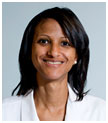
2011 Harvard Catalyst Program for Faculty Development and Diversity Inclusion (PFDD) Faculty Fellowship - HMS
Associate Professor of Surgery, Mount Sinai Beth Israel, The Mount Sinai Hospital;
Visiting Assistant Professor of Surgery, Massachusetts General Hospital
Mentor: David Rattner, MD, Warshaw Family Professor of Surgery, Harvard Medical School; Chief of the Division of Gastrointestinal and General Surgery, Massachusetts General Hospital
Department Chair: Andrew Warshaw, MD, W. Gerald Austen Professor of Surgery, Harvard Medical School; Head of the Department of Surgery, Massachusetts General Hospital
Title of Research Project: Transanal Endoscopic Rectosigmoid Resection with Laparoscopic Assistance for Rectal Cancer
Abstract: The goal of this proposal is to evaluate the safety and efficacy of NOTES (Natural Orifice Translumenal Endoscopic Surgery) transanal endoscopic rectosigmoid resection for rectal cancer. The hypothesis of this project is that NOTES transanal endoscopic resection of node-negative rectal cancer using transanal endoscopic microsurgery (TEM) is feasible, safe, and likely oncologically superior to transanal excision, and substantially less morbid and oncologically equivalent to low anterior resection. Based on the demonstrated feasibility and safety of this approach in swine and a human cadaver model, and on our recent successful performance of the first clinical case of transanal endoscopic rectosigmoid resection and laparoscopic assistance in a patient with rectal cancer, a clinical pilot study will be conducted over the 2-year duration of this project to evaluate the safety and efficacy of transanal endoscopic rectosigmoid resection with laparoscopic assistance in patients with stage I and IIA rectal cancer. Primary end-points include the adequacy of the total mesorectal excision achieved with this approach, intraoperative and 30-day postoperative complications. Secondary end-points are long-term outcomes including complications and oncologic outcomes. This pilot study will serve as the basis to initiate a larger prospective phase II multicenter clinical trial to evaluate functional and oncologic outcomes following laparoscopically-assisted NOTES transanal endoscopic rectosigmoid resection for rectal cancer. In addition, techniques to achieve pure NOTES colorectal resection with a completely transanal endoscopic approach, will be further developed in the laboratory using human cadavers and commercially available as well as innovative endoscopic platforms and instrumentation.
Biography: Dr. Patricia Sylla was raised in Cote d’Ivoire. She came to the United States for college and received her MD from Weill Medical College of Cornell University in 2000. She completed her General Surgery residency at Columbia University Medical Center in 2006. She was awarded a Society of American Gastrointestinal Endoscopic Surgeons (SAGES) grant in 2004 and the Blakemore Prize for best body of research by a graduating chief resident. She subsequently completed a fellowship in colorectal surgery at Mount Sinai Hospital in 2007, before coming to MGH to complete an advanced laparoscopic surgery fellowship. While completing her fellowship training, Dr. Sylla initiated her NOTES (Natural Orifice Transluminal Endoscopic Surgery) research project under Dr. David Rattner, who remains her supportive mentor. She was awarded a SAGES IRCAD travel fellowship award (Institut de Recherche Contre les Cancers de l’Appareil Digestif) and a Natural Orifice Surgery Consortium for Assessment and Research (NOSCAR) research grant for her work on NOTES colorectal resection. She joined the surgical staff at MGH in July 2008 where her clinical expertise includes colorectal surgery and her research interests focus on the development of minimally invasive approaches to colorectal resection. She is former an instructor in Surgery at Harvard Medical School. In 2009, she received a Physician-Scientist Development Award for the project “NOTES Transanal Rectosigmoid Resection using TEM: Study of Feasibility and Safety in Human Subjects”, and an MGH Cancer Center Thematic Priority Grant in 2010 for “NOTES Approach to T1 Rectal Cancer Using TEM: A Pilot Study”.
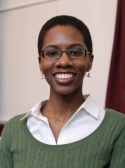
2011 Office for Diversity Inclusion and Community Partnership (DICP) Faculty Fellowship Recipient
Applied Research Scientist III Cancer Epidemiology (Population Science) Moffitt Cancer Center (MCC), Tampa, FL
Mentor: Francine Grodstein, Sc.D., Associate Professor of Medicine, Harvard Medical School, Harvard School of Public Health, Brigham and Women’s Hospital
Department Chair: Meir Stampfer, MD, DrPH, Professor of Medicine, Harvard Medical School, Harvard School of Public Health, Brigham and Women’s Hospital
Project Title: "Mid-Life Diet and Successful Aging"
Project Description: The overall goals of this project are to expand expertise in epidemiologic methods relevant to aging research and to develop expertise in successful aging, a multi-dimensional outcome encompassing survival, chronic diseases, mental health, and physical and cognitive function. The project will address two research aims, taking advantage of existing data from 14,321 women, age 70 years and older, enrolled in the Nurses’ Health Study. First, it will consider several epidemiologic definitions of successful aging and evaluate their relations with self-rated health. Second, although diet impacts many individual aspects of health, almost nothing is known regarding diet in relation to successful aging. Thus, the study will investigate the association between fruit and vegetable intake at mid-life, since it is most likely that lifestyle modification is more important at earlier than later stages of chronic conditions, and the definitions of successful aging.
Biography: Mary Townsend, Sc.D. is an associate epidemiologist in the Channing Laboratory at Brigham and Women’s Hospital and an instructor in medicine at Harvard Medical School. She received her B.A. in English from Amherst College in 2001 and her Sc.D. in Epidemiology from Harvard School of Public Health in 2007. She was a Yerby Postdoctoral Fellow in the Department of Epidemiology at Harvard School of Public Health from 2007 to 2010. Her research is focused on women’s health and healthy aging. In particular, she investigates lifestyle risk factors for urinary incontinence and cognitive decline, as well as racial differences in these outcomes. She is also actively involved in developing epidemiologic definitions of successful aging – a phenotype summarizing survival, chronic diseases, mental health, and physical and cognitive function – and examining relations between these definitions and dietary and lifestyle factors. In addition to research, Dr. Townsend coordinates biomarker assay pilot studies for the Channing-Harvard Cohorts Biorepository.
2010

2010 Office for Diversity Inclusion and Community Partnership (DICP) Faculty Fellowship Recipient
Assistant Professor of Medicine, Harvard Medical School; Assistant in Medicine, Massachusetts General Hospital Department of Medicine/Endocrine Unit
Mentor: Dr. Joel Finkelstein, M.D., Associate Professor of Medicine, Harvard Medical School, Massachusetts General Hospital
Department Chair: Henry M. Kronenberg, M.D., Head of the Department of Medicine, Massachusetts General Hospital; Professor of Medicine, Harvard Medical School
Project Title: "Dietary and Hormonal Regulation of FGF23"
Project Description: This proposal investigates fibroblast growth factor 23 (FGF23) regulation by different vitamin D formulations (Specific Aim 1) and FGF23 diurnal variation (Specific Aim 2). FGF23 is a novel phosphate (PO4)-and vitamin D-regulating hormone. Excess FGF23 causes hypophosphatemia, osteomalacia/rickets, and fractures. FGF23 excess also occurs in renal failure and appears to predict mortality in hemodialysis patients. Thus, abnormal FGF23 regulation appears central to both rare and common diseases. Furthermore, FGF23 physiology is important in both endocrinology and nephrology; thus this project has a multidisciplinary focus. In Specific Aim 1, 52 African-American and Caucasian men and women, aged 18-45, with 25-hydroxyvitamin D levels (25OHD) < 24 ng/mL (by mass spectroscopy) will be randomized to ergocalciferol 50,000 international units weekly or calcitriol 0.5 mcg daily for 12 weeks. This project will determine if there are racial differences in the stimulation of FGF23 by vitamin D and also if there are differences in the stimulation of FGF23 based on the use of dietary versus activated vitamin D. In Specific Aim 2, 32 African-American and Caucasian subjects with 25OHD > 24 ng/mL will consume a standardized diet for three days and then undergo frequent blood and urine sampling over 24-hours to determine if FGF23 levels vary diurnally. Recruitment for Specific Aim 1 is ongoing and recruitment for Specific Aim 2 will start in the next month. Recruitment for both will be completed in ~ 1 year. Data analysis and manuscript preparation will be completed in an additional 6 months.
Biography: Sherri-Ann M. Burnett-Bowie, MD, MPH is an endocrinologist and clinical researcher in the Bone and Mineral Metabolism Unit at Massachusetts General Hospital and an instructor of medicine at Harvard Medical School. She received her B.A. in Biochemical Sciences from Harvard College in 1993, her M.D. from the University of Pittsburgh in 1997, and M.P.H. degree from the Harvard School of Public Health in 2005. She completed residency in Internal Medicine and fellowship in Endocrinology at Massachusetts General Hospital. Her research is focused on defining the physiology of a new phosphate-regulating hormone (FGF23); the relationship between vitamin D deficiency and insulin resistance; and clinical trials of treatments for osteoporosis. She sees patients with bone and mineral disorders, as well as general endocrine disorders.
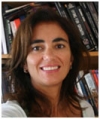
2010 Harvard Catalyst Program for Faculty Development and Diversity Inclusion (PFDD) Faculty Fellowship - HMS
Associate Professor, Samuel Z. Stone Chair of Public Health in Latin America, Tulane University School of Public Health and Tropical Medicine
Mentor: Arthur Kleinman, MD, Professor of Medical Anthropology in the Department of Social Medicine, Harvard Medical School, Professor of Psychiatry, Cambridge Health Alliance
Department Chair: Paul E. Farmer, MD, PhD, Maude and Lillian Presley Professor, Head of the Department of Global and Health and Social Medicine, Harvard Medical School
Title of Research Project: The Integration of Prenatal Care with the Testing and Treatment of HIV and Syphilis in Latin America and the Caribbean
Abstract: This project is of a multidisciplinary nature, as it presents innovative health services research in the area of HIV, syphilis, and prenatal care that is based on rigorous ethnographic and epidemiological research and health policy analysis. Its research tools have been adapted to respond to the complexities of clinical and public health programmatic conditions. The objective of this proposal is to conduct operational research on testing and treatment of HIV and syphilis during pregnancy in seven Latin American countries (Brazil, Colombia, Dominican Republic, Nicaragua, Paraguay, Peru and Uruguay) and translate its results to pilot interventions aimed at integrating HIV and syphilis management into prenatal care, in collaboration with a consortium formed by the National AIDS Programs of these seven countries, UNICEF, and UNAIDS. This proposal is part of the Latin American and Caribbean Initiative for the Integration of Prenatal Care with the Testing and Treatment of HIV and Syphilis (ILAP, acronym in Spanish), which I formed in 2007. The specific objectives include: 1) to qualitatively analyze the current status of prenatal care and services to diagnose and treat HIV and syphilis; 2) to develop a national strategy for each country to improve integrated prenatal and HIV/syphilis care and pilot the intervention in several regions of each country; and, if successful, 3) to expand the strategy to nationwide coverage.
The aim of this project is to integrate prenatal care with the diagnosis and management of HIV and syphilis and to improve PMTCT efforts among participating countries. In addition, it will establish a model of South-South collaboration to tackle other regional challenges in the scale up of comprehensive HIV care and the provision of maternal and child health in a concerted and systemic manner.
Biography: Arachu Castro, PhD, MPH, is a former Assistant Professor of Social Medicine in the Department of Global Health and Social Medicine at Harvard Medical School, Senior Advisor for Mexico and Project Manager for Guatemala at Partners In Health, and Medical Anthropologist in the Division of Global Health Equity in the Department of Medicine at Brigham and Women’s Hospital in Boston, Massachusetts. Her major interests are how social inequalities are embodied as differential risk for pathologies common among the poor and how health policies may alter the course of epidemic disease and other pathologies afflicting populations living in poverty. As a medical anthropologist trained in public health, she works mostly in infectious disease and sexual and reproductive health in Latin America and the Caribbean. She has worked in Mexico, Argentina, Haiti, Cuba, Puerto Rico, Venezuela, Colombia, Peru, and is expanding her research to Brazil and other countries through The Latin America and Caribbean Initiative for the Integration of Prenatal Care with the Testing and Treatment of HIV and Syphilis, developed in collaboration with UNICEF, UNAIDS, the Pan American Health Organization (PAHO), and eight national AIDS programs (Brazil, Colombia, Cuba, Dominican Republic, Nicaragua, Uruguay, Paraguay, and Peru). The Initiative aims to strengthen health systems through the integration of prenatal care with the testing and treatment of HIV and syphilis in Latin America and the Caribbean and is directed by Dr. Castro.
Dr. Castro teaches social medicine at Harvard Medical School and has previously taught in Spain, Argentina, France, Mexico, Cuba, and the Dominican Republic. At the David Rockefeller Center for Latin American Studies at Harvard, she serves on its Policy Committee and is Co-Director of the Cuban Studies Program and Co-Chair of the Committee on Social Policy in Latin America.
She has been actively involved in designing several international health policy documents on tuberculosis, AIDS, and access to health care in conjunction with the World Health Organization (WHO) and the Pan American Health Organization, such as The Global Plan to Stop Tuberculosis (Geneva: World Health Organization, 2001), Scaling Up Health Systems to Respond to the Challenge of HIV/AIDS in Latin America and the Caribbean (Washington, DC: Pan American Health Organization, 2003, 100 pp.), and Barrio Adentro: Rigth to health and social inclusion in Venezuela (Pan American Health Organization, 2006) of which she was co-author and editor.
She is a member of the WHO Team on Development of Appropriate Research Strategies for Scale Up of Antiretroviral Therapy in Resource-Constrained Settings and has served on the Steering Committee on Social, Economic, and Behavioral Research at the UN Special Programme for Research and Training in Tropical Diseases (TDR), on the Scientific Working Group on Tuberculosis (TDR), and on the Public Health Watch International Advisory Board (Open Society Institute). At the Society for Medical Anthropology, Dr. Castro was the Secretary-Treasurer (2003-2006) and chair of the Critical Anthropology of Health Caucus (1998-2002). She is in the editorial boards of PLoS Medicine, PLoS ONE, and The Open Health Services & Policy Journal.
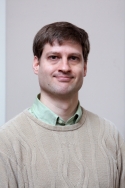
2010 Office for Diversity Inclusion and Community Partnership (DICP) Faculty Fellowship Recipient
Senior Scientist, Biogen
Mentor: Wayne Lencer, M.D., Head of the Department of Pediatrics, Children’s Hospital Boston; Egan Family Foundation Professor of Pediatrics, Harvard Medical School
Department Chair: Gary Fleisher, M.D., Chief of the Division of Gastroenterology, Children’s Hospital Boston; Professor of Pediatrics, Harvard Medical School
Project Title: "Biogenesis and Maintenance of the Enterocyte Brush Borde
Project Description: The small intestinal epithelial cells (enterocytes) provide the brush border (BB) apical membrane, which is a scaffold essential for the digestion and absorption of nutrient solutes and a barrier against invading pathogens, toxins and antigens. Enterocytes and local immune cells also interact with the commensal flora to identify pathogenic organisms and regulate subsequent immune responses. As expected, damage to the enterocytes leads to severe diarrhea, malnutrition and facilitates pathogen invasion and local inflammation. The formation of the BB involves specialized vesicles that deliver apical structural components like microvilli (MV) to areas of cell-cell contact. These MV-containing vesicles have been observed in patients suffering Microvillus Inclusion Disease (MID), a life-threatening autosomal recessive hereditary intestinal disorder of infancy characterized by shortened and mislocalized MV and mislocalized apical proteins. Nonsense mutations in the actin-motor protein myosinVb has been proposed to be the cause of MID. Similar abnormalities were observed upon silencing Rab8a, a small GTPase that interacts with MyosinVb. Both MyosinVb and Rab8a regulate membrane sorting steps from the recycling endosomal compartment, and hence this compartment is decisive in regulating BB structure and function. My research will use a combination of biochemical, morphological and genetic assays to identify and characterize regulators of the different membrane trafficking pathways involved in cell polarity and BB formation and maintenance. The outcome of this project could affect our ability to intervene in diseases linked to cell polarity, mucosal barrier function, and regulation of ion transport.
Biography: Ramiro Massol, PhD, HMS instructor in Pediatrics at Children’s Hospital – Boston, will work on a project titled “Biogenesis and Maintenance of the Enterocyte Brush Border”. He is seeking to identify and characterize regulators of membrane trafficking pathways involved in cell polarity and brush border formation and maintenance. His research may lead to a better understanding of diseases linked to cell polarity such as Microvillus Inclusion Disease, a life-threatening autosomal recessive intestinal disorder of infancy.
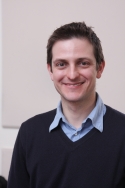
2010 Office for Diversity Inclusion and Community Partnership (DICP) Faculty Fellowship Recipient
Professor of Neurology, Harvard Medical School; Associate Scientist, Brigham and Women’s Hospital Neurology/MS Division
Mentor: Howard Weiner, M.D., Robert L. Kroc Professor of Neurology, Harvard Medical School, Brigham and Women’s Hospital/Harvard Institutes of Medicine
Department Chair: Martin Samuels M.D., Head of the Department of Neurology, Brigham and Women’s Hospital; Professor of Neurology, Harvard Medical School
Project Title: "Role of the transcription factor aryl hydrocarbon receptor (AHR) in human regulatory T cells"
Project Description: Autoimmune diseases such as multiple sclerosis (MS), type I diabetes mellitus and rheumatoid arthritis result from a dysregulated immune response directed against self-tissue. In MS, the immune system targets the central nervous system (CNS), leading to progressive neurological dysfunction. The activity of the immune system is normally under the control of a specialized class of T cells termed regulatory T cells (Treg). Treg deficits have been found in several autoimmune diseases, including MS. Based on this Treg deficit, the induction of functional Treg is viewed as a therapeutic approach for MS and other autoimmune disorders. We have recently found that the ligand-activated transcription factor aryl hydrocarbon receptor (AHR) controls the development of Treg. Moreover, we found that the non-toxic AHR ligand 2-(1’H-indole-3’-carbonyl)-thiazole-4-carboxylic acid methyl ester (ITE) induces functional Treg cells that suppress disease progression in experimental models of autoimmunity. Thus, non-toxic AHR ligands represent a new tool for the therapeutic induction of Treg in autoimmune diseases. In this project, we will investigate the role of AHR in the induction of human Treg. If successful, our project will pave the way for the use of non-toxic AHR ligands for the treatment of human autoimmune disorders. First, what is the effect of AHR activation by different ligands on human Treg? Second, can AHR activation be used to induce functional Treg from MS patients?
Biography: Francisco J. Quintana, PhD is an Associate Professor of Neurology at the Center for Neurologic Diseases, Department of Neurology at the Brigham and Women’s Hospital. Dr. Quintana, a graduate of the University of Buenos Aires (1999, Argentina), obtained his PhD in immunology at the Weizmann Institute of Science (2004, Israel), where he worked under the supervision of Prof. Irun Cohen in the development of antigen arrays and DNA vaccines for the diagnosis and therapy of autoimmune disorders. Dr. Quintana then was a postdoc of Prof. Irun Cohen and Yechiel Shai at the Weizmann Institute of Science, where he studied the structural aspects of the T cell receptor.
In 2005, Dr. Quintana moved to the Center of Neurologic Diseases in Boston, to work in the identification of biomarkers for the staging of multiple sclerosis and in the study of molecular pathways that control the immune response, using several experimental models including zebrafish, mouse and human cells.
In 2009, Dr. Quintana moved to his current position. Dr. Quintana’s research interests include mechanisms of immunoregulation, innate immunity and systems immunology approaches for the staging and monitoring of autoimmune disorders.
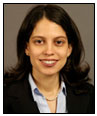
2010 Harvard Catalyst Program for Faculty Development and Diversity Inclusion (PFDD) Faculty Fellowship - HMS
Associate Professor of Ophthalmology, Harvard Medical School; Staff Physician, Massachusetts Eye and Ear; Director of the Morse Laser Center
Mentor: David Altshuler, MD, PhD, Director, Program in Medical and Population Genetics, Broad Institute, Professor of Genetics, Harvard Medical School
Department Chair: Joan W. Miller, MD, Head of the Department of Ophthalmology at Massachusetts Eye and Ear Infirmary; Henry Willard Williams Professor of Ophthalmology, Harvard Medical School
Title of Research Project: The Epidemiology and Genetics of Diabetic Retinopathy in the Jackson Heart Study
Abstract:
This study is a single-site, prospective, epidemiologic and genetic investigation of diabetic retinopathy in African Americans with diabetes and impaired fasting glucose (IFG). The research project will take place within the Jackson Heart Study (JHS), a prospective investigation of cardiovascular disease among more than 6000 African Americans from the Jackson, Mississippi area. The aim is to establish an ophthalmologic component to the Jackson Heart Study via an ancillary study to perform fundus photography with the aim of determining the prevalence of diabetic retinopathy and the pertinent environmental and genetic risk factors. Standard seven-field stereoscopic fundus photographs will be obtained and graded. Adjusted, multivariate logistic regression analyses will be performed to generate odds ratios and 95% confidence intervals comparing diabetic and IFG subjects with diabetic retinopathy to diabetic and IFG subjects without retinopathy with respect to demographic (age, sex) and modifiable (glycated hemoglobin, hypertension, hyperlipidemia, among others) risk factors. In addition, a genome-wide scan using the Affymetrix 6.0 genotyping platform is already underway for the participants of the Jackson Heart Study. We propose to use the results of the scan to perform a genome-wide association study (GWAS) to identify genetic causes of diabetic retinopathy in this exclusively African American population. The project requires integration of the clinical understanding of the disease by ophthalmologists, the study design and statistical skills of epidemiologists, and the application of cutting edge genetic analysis techniques by computational geneticists.
Biography:
Lucia Sobrin is a former Instructor in Ophthalmology and Staff Physician at the Massachusetts Eye and Ear Infirmiry. The Harvard Catalyst PFDD Faculty Fellowship award will support research tied to the Jackson Heart Study out of the University of Mississippi Medical Center. Sobrin’s Research will focus on The Epidemiology and Genetics of Diabetic Retinopathy in the Jackson Heart Study.
2009

2009 Harvard Catalyst Program for Faculty Development and Diversity Inclusion (PFDD) Faculty Fellowship - HMS
Alan B. Retik Associate Professor of Surgery in the Field of Pediatric Urology, Harvard Medical School; Urologist-in-Chief, Boston Children’s Hospital
Mentor: Michael R. Freeman, PhD, Program Director, Children’s Hospital/Harvard Urological Diseases Research Center, Professor of Surgery, Harvard Medical School
Department Chair: Alan B. Retik, MD, Urologist-in-Chief, Children’s Hospital Boston; Professor of Surgery, Harvard Medical School
Project Summary: Novel Bladder Tissue Engineering: Induced Pluripotent Stem Cell-Derived Smooth Muscle Cells and Uroepithelial Cells and Silk Biomaterial Scaffolds
Abstract:
The optimal scaffold material and patient-specific cell source for tissue engineering (TE) of the urinary bladder remain elusive. Uniting the resources of the Harvard Stem Cell Institute and the Urological Diseases Research Center at Children’s Hospital, I will interrogate the use of silk-based biomaterials in combination with induced pluripotent stem cell (iPS)-derived bladder cells to address this need. Silk-based biomaterials provide an exceptional combination of physical properties that are well suited to bladder function, and are readily modifiable to optimize these properties as well as cellular seeding, proliferation, and in-growth of surrounding tissue.
Recently, our collaborators published the first description of induced pluripotency in fibroblasts derived from an adult human skin biopsy. These cells were reprogrammed to pluripotency by the ectopic expression of four transcription factors, and the resultant induced pluripotent stem (iPS) cells closely resembled embryonic stem (ES) cells. Using methods we have developed using ES cells, we will derive smooth muscle cells and uroepithelial cells from iPS cells. These cells will be combined with silk-based biomaterials that are engineered to mimic the extracellular matrix of the bladder. The novel constructs will then be utilized for murine bladder augmentation to test the functional capacity of the constructs and interrogate the phenotypic stability of the iPS-derived cells. This project may ultimately inform pre-clinical trials testing similar constructs in patients who require bladder augmentation to treat end-stage bladder decompensation and its complications.
Biography:
Carlos Estrada is a former Instructor in Surgery (Urology) and an Assistant in Urology at Children’s Hospital, Boston. His research project is entitled Novel Bladder Tissue Engineering: Induced Pluripotent Stem Cell-Derived Smooth Muscle Cells and Uroepithelial Cells and Silk Biomaterial Scaffolds.
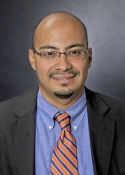
2009 Office for Diversity Inclusion and Community Partnership (DICP) Faculty Fellowship Recipient
Associate Professor of Medicine and Chief of Hospital Medicine, University of California San Francisco, San Francisco, CA; Senior Faculty, Disparities Solutions Center, Massachusetts General Hospital, Boston, MA
Project Summary:
Eliminating adverse events in hospitalized patients is an essential goal to improve health care quality. Certain subgroups of patients are more likely to experience adverse events because of complexity of their illnesses and other factors. An important question is whether language barriers contribute to adverse events in the hospital due to patient-provider communication barriers.
The prevalence of hospitalized limited English proficiency (LEP) patients has increased. Despite this growing number of LEP patients in hospitals, little research has focused on the impact of LEP on the occurrence of adverse events in hospitalized patients. In order to improve care for LEP patients, we need to better characterize the adverse events that this patient population is more likely to encounter. Using an electronic database of hospital adverse events, this study has three specific aims: 1)To examine differences in the frequency of adverse events between LEP and English speaking patients (ESP); 2) To identify what type of adverse events are more common among LEP patients and 3)To identify the degree of severity of adverse events among LEP patients.
Biography:
Dr. Lenny López is Chief of Hospital Medicine and Associate Professor of Medicine at the University of California San Francisco. He is also Senior Faculty at the Disparities Solutions Center, Massachusetts General Hospital. Dr. López is an internist trained at the Brigham and Women's Hospital (BWH), who completed the Commonwealth Fund Fellowship in Minority Health Policy at the Harvard School of Public Health and a Hospital Medicine fellowship at BWH. Dr. López joined the Mongan Institute for Health Policy (MIHP) in 2008 after his research fellowship in General Internal Medicine at Massachusetts General Hospital (MGH) and was an Assistant Professor of Medicine at Harvard Medical School until 2015. With an ultimate goal of reducing healthcare disparities in cardiovascular disease and diabetes, his current research addresses issues relating to patient safety and language barriers, optimizing primary care clinical services for Latinos with cultural and linguistic barriers, and using health information technology to decrease disparities. A second line of research is investigating the epidemiology of acculturation among Latinos in the US and its impact on the prevalence and development of cardiovascular disease and Type II diabetes. This research will help inform how to better design clinical interventions for improving chronic disease management among Latinos. Finally, Dr. López also teaches medical students and residents, with lectures and preceptorships. Dr. López received his medical degree from University of Pennsylvania in 2001, and completed his residency at Harvard Medical School, Brigham and Women's Hospital, Boston, in 2004. At Harvard University, he received a Master of Divinity in 1999 and a Master of Public Health in 2005.
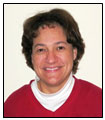
2009 Harvard Catalyst Program for Faculty Development and Diversity Inclusion (PFDD) Faculty Fellowship - HMS
Associate Professor of Pediatrics, Harvard Medical School; Attending Neonatologist; Associate Director, Neonatal Intensive Care Unit, Beth Israel Deaconess Medical Center
Mentor: Steven D. Freedman, MD, PhD, Chief of the Division of Translational Research and Professor of Medicine at Harvard Medical School, Director, The Pancreas Center
Department Chair: DeWayne M. Pursley, MD, MPH, Assistant in Medicine; Neonatologist-in-Chief, Beth Israel Deaconess Medical Center, Associate Professor of Pediatrics, Harvard Medical School
Title of Research Project: Fat Malabsorption, Bacterial Colonization, and Intestinal Injury in the Preterm Infant
Abstract:
Fat malabsorption, bacterial colonization, and intestinal injury in the preterm infant
Abnormal bacterial colonization has been proposed as one potential mechanism for the development of necrotizing enterocolitis, an inflammatory disease of the bowel that primarily affects preterm infants. The goals of this project are to identify the environmental and nutritional factors that influence bacterial colonization and to characterize the mechanisms by which bacterial colonization modulates intestinal inflammation.
We hypothesize that (1) impaired fatty acid metabolism explains the differences in bacterial colonization profiles due to diet (formula versus breast milk) and gestational age (pancreatic insufficiency in the preterm infant) and (2) bacterial colonization profiles dominated by pathogenic organisms contribute to intestinal inflammation.
This project is a prospective, cohort study of infants born at ≤ 32 weeks’ gestation. A review of maternal-infant clinical data and serial collection of dietary, serum, and fecal samples will be conducted for each infant. Dietary and fecal samples will be analyzed for total fat and specific fatty acid analysis by gas chromatography/mass spectrometry. Fecal bacterial colonization profiles will be identified using PCR analysis of 16S ribosomal DNA. Intestinal inflammation will be determined by ELISA analysis of serum and stool inflammatory markers.
The goals of this study will be accomplished through multidisciplinary collaborations with neonatology (PI); Steven D. Freedman MD, PhD, an Associate Professor of Medicine and adult gastroenterologist with expertise in pancreatic function and fatty acid metabolism; and, Bruce Paster PhD, the Director of the Forsyth Microbial Identification Microarray service at the Forsyth Dental Institute and a world expert in analysis of bacterial species in disease states.
Biography:
Camilla Martin holds a former appointment as Instructor in Pediatrics and is an Attending Neonatologist and the Associate Director of NICU at Beth Israel Deaconess Medical Center. Her clinical and translational research focuses on the Fat Malabsorption, Bacterial Colonization, and Intestinal Injury in the Preterm Infant, and will involve collaboration between BIDMC and Harvard Catalyst.
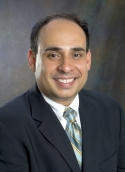
2009 Office for Diversity Inclusion and Community Partnership (DICP) Faculty Fellowship Recipient
Kenneth Greer Endowed Professor and Chair of Dermatology, University of Virginia School of Medicine
Project Summary:
The immunologic mechanisms that lead to the development and progression of adverse cutaneous drug eruptions (ACDEs) are poorly understood. Recently, Delaney et al. have evaluated the inflammatory infiltrate in skin biopsies from patients with ACDEs and have shown that there is a decreasing trend in the absolute number CD4 (+) cells in the dermis, as well as in the CD4/CD8 ratio, in “higher grade” lesions. Only a few risk factors have been identified which predispose to the development of ACDEs, and particularly TEN, in humans. It is widely accepted that HIV disease and the use of anti-retroviral, anti-tuberculous or sulfa-containing medications increases susceptibility of the host to ACDEs correlating with a decrease in peripheral blood CD4 counts. A potential correlation between the immunophenotype of inflammatory cell infiltrates in biopsies from patients with adverse cutaneous drug eruptions (ACDEs) and clinical severity of disease has not been studied. In these experiments we aim to: (1) test the hypothesis that a lower number of regulatory T cells (Tregs) predisposes patients to developing ACDEs; (2) test the hypothesis that patients with HIV infection are at increased risk of developing ACDEs as a result of a lower level of Tregs recruited to skin; and (3) evaluate the level of expression of Th17 cells present in skin of HIV-infected and non-infected hosts in order to test their contribution to risk of developing ACDEs.
Biography:
Arturo Saavedra, MD, PhD is an associate professor in Dermatology and Internal Medicine at the Brigham and Women's Hospital and the Harvard Medical School. After completing an MD/PhD program at the University of Pennsylvania, Dr. Saavedra completed his Internal Medicine Residency at the Brigham and Women's Hospital, where he served as the Medical Chief Resident. He completed Dermatology Residency at the Harvard Combined Dermatology Program as well as a Fellowship in Dermatopathology. His clinical interests include Immunobullous Disease, HIV Dermatology and care of the Oncologic and Post-Transplant patient. His research interests focus on the role of infectious and iatrogenic immunosuppression in altering immunophenotypes in cutaneous cell infiltrates.